
















Indonesia’s Natural Wonders Biodiversity Conservation and Scientific Discoveries
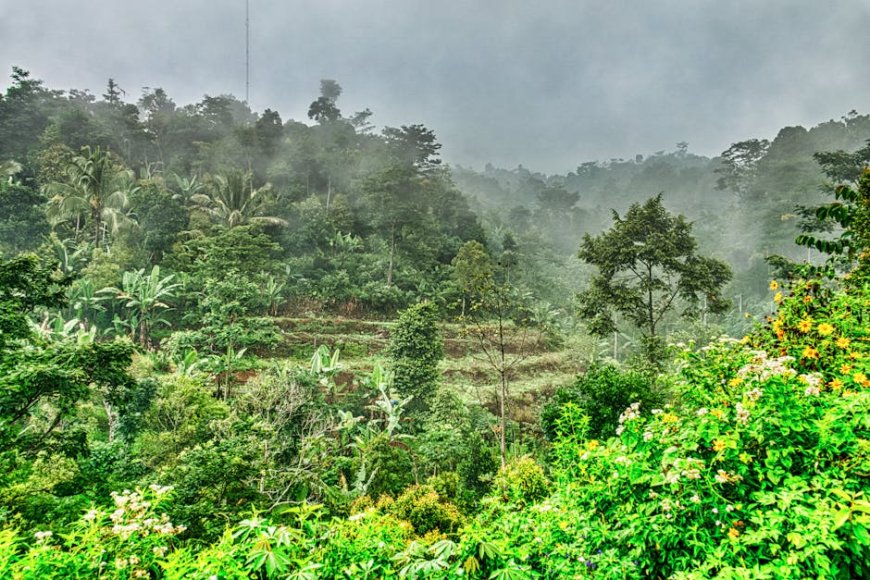
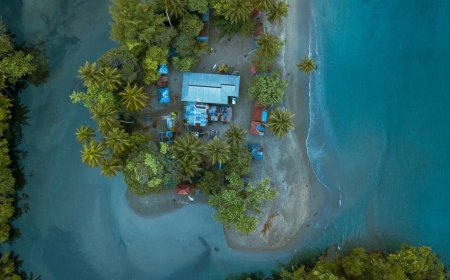
VOXBLICK.COM - Indonesia stands as a living testament to the planet’s most spectacular natural wonders and scientific marvels. Spanning over 17,000 islands straddling the equator, this Southeast Asian archipelago harbors some of the world’s richest biodiversity, ancient human history, and innovative conservation initiatives. With its lush rainforests, vibrant coral reefs, and unique megafauna, Indonesia is not just a national treasureit is a global ecological and scientific powerhouse.
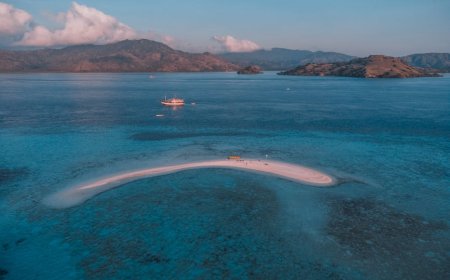
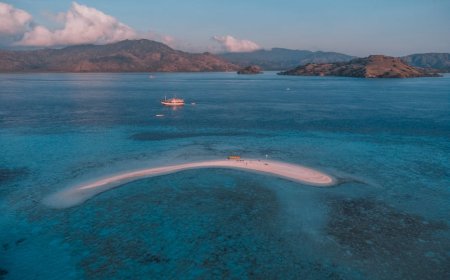
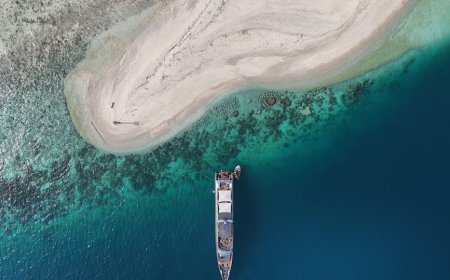
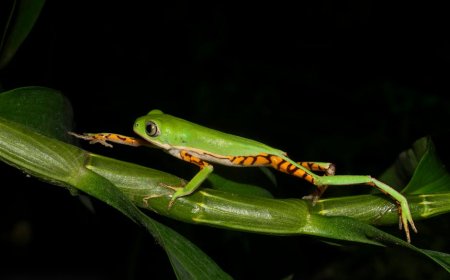
Indonesia’s location within the famed “Coral Triangle” and its equatorial rainforests make it a hotspot for biodiversity.
The country ranks among the top in the world for its number of endemic species, home to approximately 17% of all known wildlife species. From the enigmatic orangutans swinging through the Sumatran and Bornean canopies, to the Komodo dragonthe largest living lizardeach ecosystem bursts with evolutionary wonders. Scientists have catalogued over 50,000 plant species, 1,600 bird species, and thousands of marine creatures, many of which exist nowhere else on Earth.

Biodiversity Under Threat: Conservation Challenges and Successes
However, Indonesia’s immense natural wealth faces unprecedented threats. Deforestation for palm oil plantations, illegal wildlife trade, and climate change are pressing issues.
Rainforest loss has imperiled iconic species such as the Sumatran tiger and Javan rhinoceros. Coral bleaching events threaten marine ecosystems, while rising sea levels endanger low-lying islands and mangrove forests.
Yet, a surge of conservation efforts offers hope. The government, local communities, and international organizations have established over 500 terrestrial and marine protected areas, covering more than 23 million hectares. Notable projects include:
- Leuser Ecosystem Conservation: Protects critical habitat for endangered orangutans, tigers, and elephants in northern Sumatra.
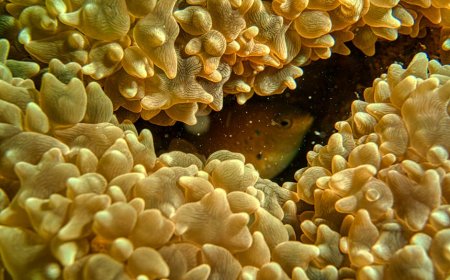
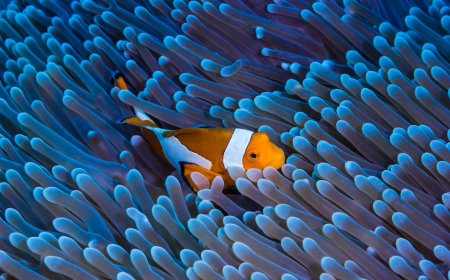
- Raja Ampat Marine Park: A marine sanctuary safeguarding over 600 species of coral and 1,700 species of reef fish, making it a global epicenter of marine biodiversity.
- Taman Nasional Ujung Kulon: The last refuge of the rare Javan rhino, showcasing successful anti-poaching and habitat restoration measures.
Community-based initiatives, such as “hutan desa” (village forests), empower locals to sustainably manage and benefit from their forests, blending traditional wisdom with modern conservation science.
Pioneering Renewable Energy and Sustainability
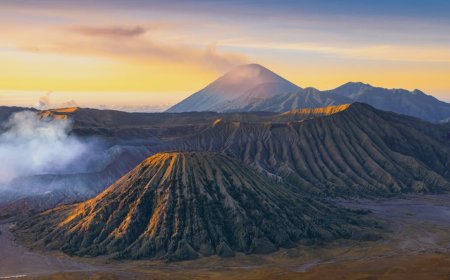
Indonesia’s unique geologymarked by more than 130 active volcanoesprovides abundant renewable energy opportunities.
The country is making strides in harnessing geothermal energy, ranking second worldwide in installed geothermal capacity. Projects like the Wayang Windu and Sarulla geothermal plants not only reduce reliance on fossil fuels but also set benchmarks for sustainable energy in tropical nations.
Additionally, Indonesia is investing in solar, hydro, and wind power, aiming to generate 23% of its energy from renewables by 2025. These initiatives not only mitigate climate change impacts but also support biodiversity by reducing deforestation
and pollution linked to conventional energy sources.
Archaeological Revelations: Tracing Ancient Human Journeys
Beneath Indonesia’s verdant canopies and limestone caves lie clues to humanity’s deep past.
The discovery of Homo floresiensisthe “Hobbit”on Flores Island in 2003 stunned the scientific world, revealing a previously unknown hominin species that lived as recently as 50,000 years ago. Excavations in Sulawesi have uncovered the oldest known animal cave art, dating back over 45,000 years, reshaping our understanding of early human creativity and migration.
Ongoing research continues to unearth ancient tools, fossils, and DNA, illuminating the intricate tapestry of human evolution in the Asia-Pacific.
These archaeological finds underscore Indonesia’s pivotal role in the story of our species and inspire new generations to protect the landscapes that hold these secrets.
Indonesia’s Role in Global Conservation and Scientific Discovery
Indonesia’s natural wonders and scientific breakthroughs echo far beyond its borders. As a keystone nation for biodiversity, renewable energy, and archaeological research, its stewardship is vital to global environmental health and knowledge.
Ongoing collaborations between Indonesian scientists, indigenous communities, and international partners are yielding pioneering solutions for conservation, climate adaptation, and sustainable development.
By safeguarding its unique flora, fauna, and cultural heritage, Indonesia not only preserves its own ecological legacy, but also contributes essential lessons and hope to the world.
Its story is a powerful call to recognize, respect, and restore the intricate bonds between humanity and nature.

What's Your Reaction?
 Like
0
Like
0
 Dislike
0
Dislike
0
 Love
0
Love
0
 Funny
0
Funny
0
 Angry
0
Angry
0
 Sad
0
Sad
0
 Wow
0
Wow
0