













Exploring Indonesia’s National Museum and Its Cultural Legacy
Indonesia’s National Museum: A Living Chronicle of Heritage
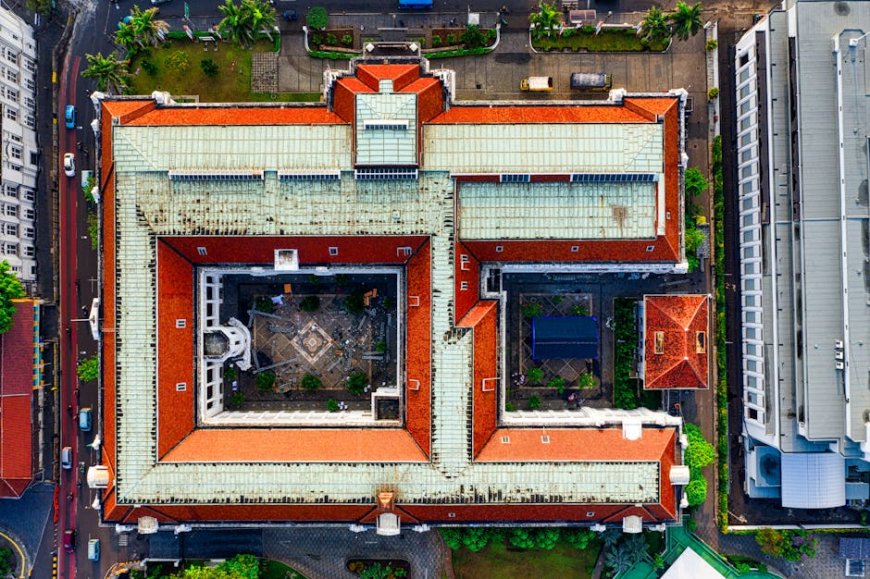
VOXBLICK.COM - Nestled in the heart of Jakarta, the National Museum of Indonesia stands as a beacon of the nation’s cultural pride and historical depth. Affectionately referred to as “Museum Nasional” or the “Elephant Museum” (after the bronze elephant statue at its entrance, a gift from the King of Thailand in 1871), this iconic institution is more than a repository of artifactsit is a living chronicle of Indonesia’s diverse ethnic traditions, artistic mastery, and centuries-old rituals. For travelers and locals alike, the museum offers a unique window into the stories and struggles that have shaped the world’s largest archipelago.
Recently, the National Museum has raised its entrance fees, sparking curiosity and debate among visitors. This change, however, signals a deeper commitment to preserving Indonesia’s rich cultural legacy for generations to come.
Understanding the reasons behind these changes, and exploring the treasures within the museum’s walls, can illuminate the profound value that this institution brings to Indonesia and the world.

The Significance of the Collections
What makes the National Museum invaluable is not just its vast collectionover 150,000 objects spanning prehistoric artifacts, Hindu-Buddhist sculptures, textiles, ceramics, and ethnographic treasuresbut the stories and wisdom each item holds.
Each artifact, from a centuries-old bronze statue of the Hindu goddess Durga to exquisitely woven ikat fabrics, encapsulates a fragment of Indonesia’s multi-layered past.
Indonesia is home to over 1,300 recognized ethnic groups, each with its own language, customs, and artistic expressions. The museum becomes a unifying space, carefully curating items that celebrate the diversity and resilience of Indonesian society.
Visitors can trace the evolution of batika UNESCO Intangible Cultural Heritagefrom royal courts to village workshops, or marvel at gold regalia that once adorned Sumatran kings. The museum’s galleries reveal how trade, migration, and colonization have interwoven global influences into the nation’s artistic and spiritual tapestry.
Why the National Museum Raised Its Fees
With rising operational costs, increased conservation needs, and a growing ambition to elevate visitor experiences, the National Museum recently revised its pricing structure.
At first glance, higher ticket prices may seem exclusionary, but the intent is to ensure the sustainability of the museum’s mission. Funds from the new fees are being channeled into:
- Preservation: Advanced climate control and security systems to protect fragile relics from Indonesia’s humid climate and urban development.
- Restoration: Professional restoration of priceless objects, some damaged by age or disaster, ensuring they remain accessible for study and inspiration.
- Education: Innovative programs and exhibitions designed to engage a new generation of Indonesians and international visitors in the nation’s cultural story.
In a country as vast and varied as Indonesia, safeguarding heritage is a monumental task.
The museum’s decision reflects a global movement: renowned institutions worldwide are rethinking their funding models to guarantee that collections are protected and presented with the dignity they deserve.
Preserving and Sharing Cultural Heritage with the World
The National Museum is not only a treasure house for Indonesiansit is a bridge to the world’s understanding of Indonesian culture.
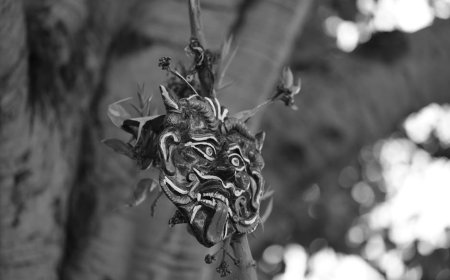
Its curators work tirelessly to contextualize objects for foreign visitors, explaining the meaning behind ritual masks from Papua, the philosophy inscribed on Javanese stone tablets, or the spiritual symbolism of Torajan woodcarvings.
This storytelling approach helps international guests appreciate both the artistry and the worldview that underpins Indonesian traditions.
For example, a Balinese barong mask is not just a performance accessory it embodies the ongoing struggle between good and evil in Balinese cosmology. A simple clay bowl from Kalimantan tells of ancient riverine trade routes and communal feasts that bind village life.
By raising its fees and investing in its future, the National Museum is affirming its role as a guardian of Indonesia’s soul and a storyteller for the world.
For those eager to understand the “why” behind Indonesia’s rituals, arts, and heritage, a visit to the National Museum is not just a journey through historyit is an invitation to engage with the living heart of a nation.

What's Your Reaction?
 Like
0
Like
0
 Dislike
0
Dislike
0
 Love
0
Love
0
 Funny
0
Funny
0
 Angry
0
Angry
0
 Sad
0
Sad
0
 Wow
0
Wow
0