








How Indonesia Is Revitalizing Museums and Preserving Heritage
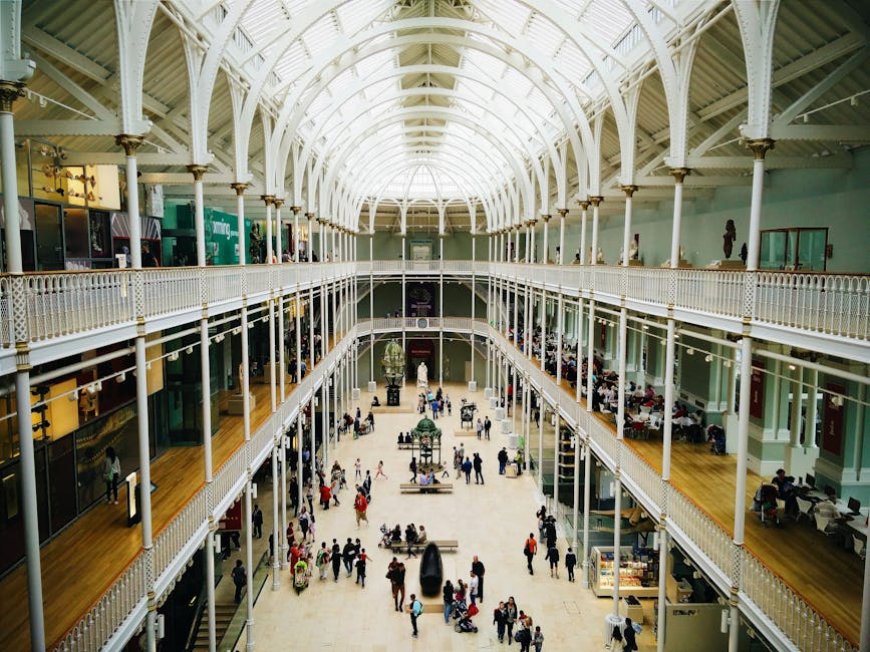
VOXBLICK.COM - Indonesia, the world’s largest archipelagic nation, is a vibrant tapestry of cultures, languages, and traditions. Stretching over 17,000 islands, each region carries its own unique stories, arts, and ritualswoven into the fabric of daily life. Yet, as Indonesia rapidly modernizes, questions arise: How can the country preserve its diverse heritage? And what role do museums play in keeping these stories alive for future generations and the world at large?
Recognizing these challenges and opportunities, Indonesia has embarked on an ambitious journey to revitalize its museums and cultural institutions by 2026. The aim is not only to protect physical artifacts but also to safeguard intangible cultural
treasures: traditional dances, ancient rituals, culinary traditions, and the wisdom of local communities. This movement goes far beyond preservationit’s about bringing heritage to life and making it accessible and meaningful for both Indonesians and international visitors.
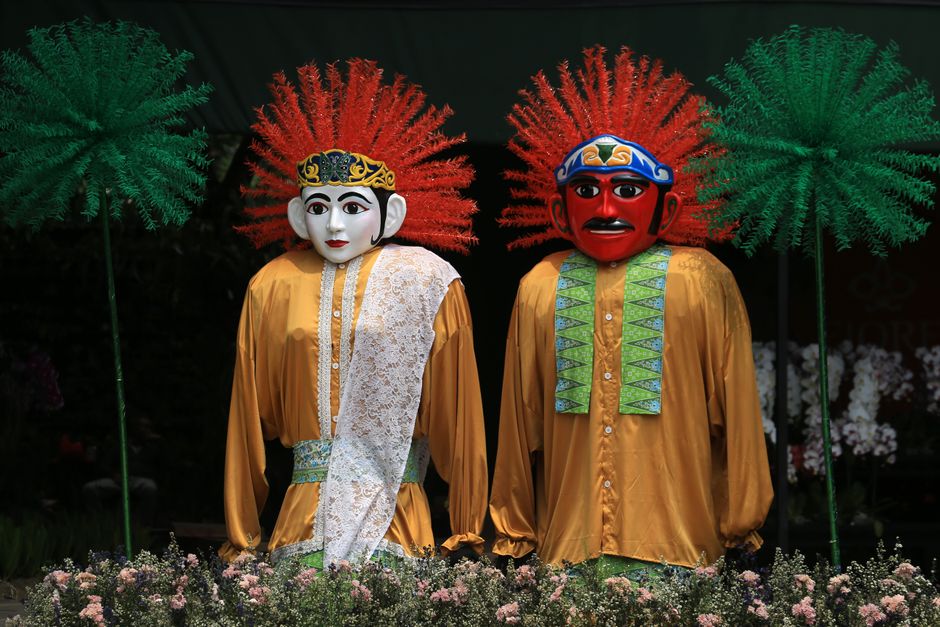
The Museum Renaissance: Strengthening the Heart of Heritage
Historically, Indonesian museums have often been seen as quiet repositories of the past.
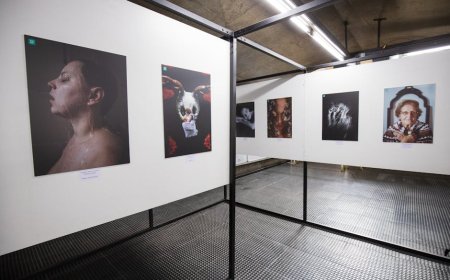
However, the new vision is transformative: museums are evolving into dynamic cultural centersplaces where heritage is actively interpreted, experienced, and celebrated. The government’s strategic plan includes:
- Modernizing Museum Infrastructure: Upgrading exhibition spaces, conservation facilities, and digital access to make collections more interactive and engaging.
- Community Engagement: Empowering local communities to curate and share their own stories, ensuring that museums reflect Indonesia’s regional diversity.
- Education and Outreach: Collaborating with schools and universities to integrate museum-based learning and encourage youth participation in preserving traditions.
- International Partnerships: Showcasing Indonesian heritage globally through traveling exhibitions, digital archives, and cross-cultural exchanges.
Honoring Rituals: The Meaning Behind Traditions
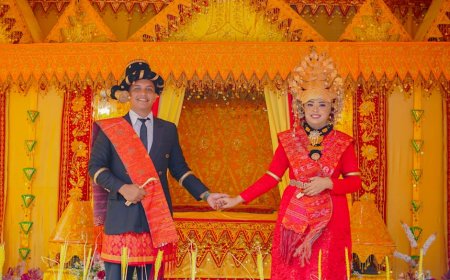
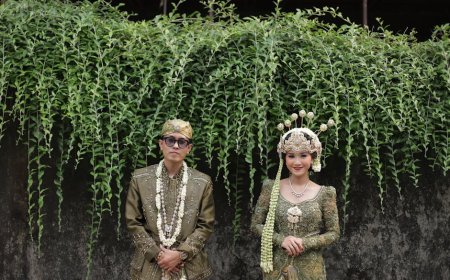
Indonesia’s rituals are living expressions of its cultural soul.
In Bali, for example, the Ngaben cremation ceremony is not just a rite of passage but a profound symbol of the Balinese Hindu belief in reincarnation and the impermanence of life. In West Sumatra, the Pacu Jawi (bull race) is more than a thrilling spectacleit’s a communal celebration marking the end of the rice harvest, entwined with gratitude and unity.
Museums are increasingly using immersive storytellingthrough video, sound, and interactive displaysto help visitors understand the layers of meaning behind these rituals.
By showcasing the philosophy, artistry, and social values embedded in each tradition, museums foster empathy and cross-cultural understanding.
Reviving Culinary Heritage: More Than Just Food
Indonesia’s culinary heritage is a delicious gateway into its history and identity.
Dishes like rendang, a slow-cooked spicy beef stew from West Sumatra, are not just mealsthey are communal experiences, often prepared for special occasions and embodying the Minangkabau values of patience, togetherness, and respect for ancestors.
Through exhibitions and hands-on workshops, museums are preserving and promoting these culinary traditions.
Visitors can learn about the origins of iconic dishes, the trade routes that shaped Indonesian flavors, and the rituals that surround food preparation and sharing. This approach transforms culinary heritage from something to be consumed into something to be understood and cherished.
Safeguarding the Arts: From Wayang to Batik
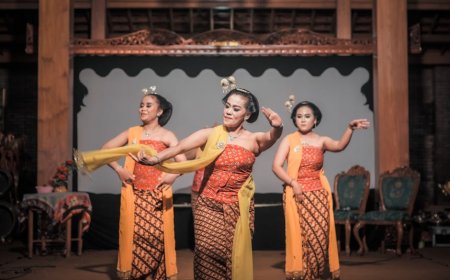
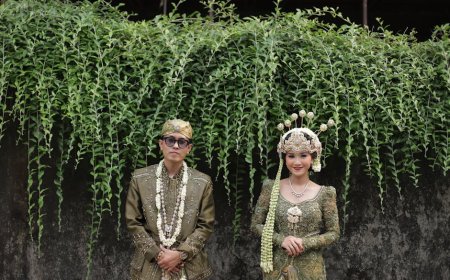
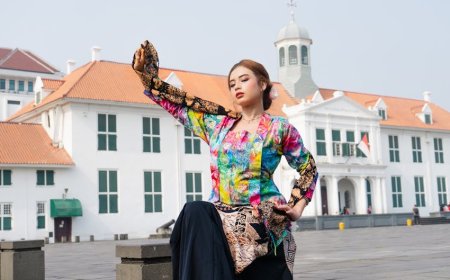
Indonesia’s performing and visual artsfrom the mesmerizing shadow puppetry of wayang kulit to the intricate patterns of batik textilesare recognized by UNESCO as intangible cultural heritage.
Yet, these traditions face the risk of fading as younger generations gravitate toward modern lifestyles.
Revitalized museums are stepping in as creative hubs: offering workshops with master artisans, hosting live performances, and documenting oral histories.
These efforts ensure that the skills, stories, and philosophies behind Indonesia’s arts are transmitted to new audiences, both locally and internationally.
Towards 2026: A Legacy for the World
Indonesia’s revitalization of museums is an invitationto its own people and to the worldto discover the depth and diversity of its heritage.
By strengthening museums’ roles, Indonesia is not only preserving cultural traditions but also unveiling the stories behind rituals, arts, and culinary heritage for global understanding. As the nation looks toward 2026, its museums are poised to become vibrant bridges between past and future, local and global, memory and innovation.

What's Your Reaction?
 Like
0
Like
0
 Dislike
0
Dislike
0
 Love
0
Love
0
 Funny
0
Funny
0
 Angry
0
Angry
0
 Sad
0
Sad
0
 Wow
0
Wow
0