








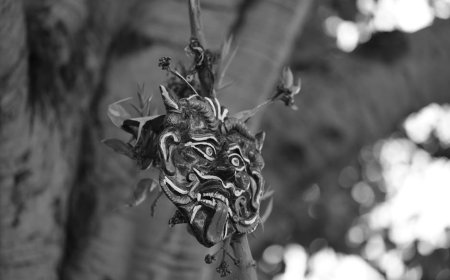









Indonesia’s Biodiversity and Conservation Efforts Inspire Global Innovation
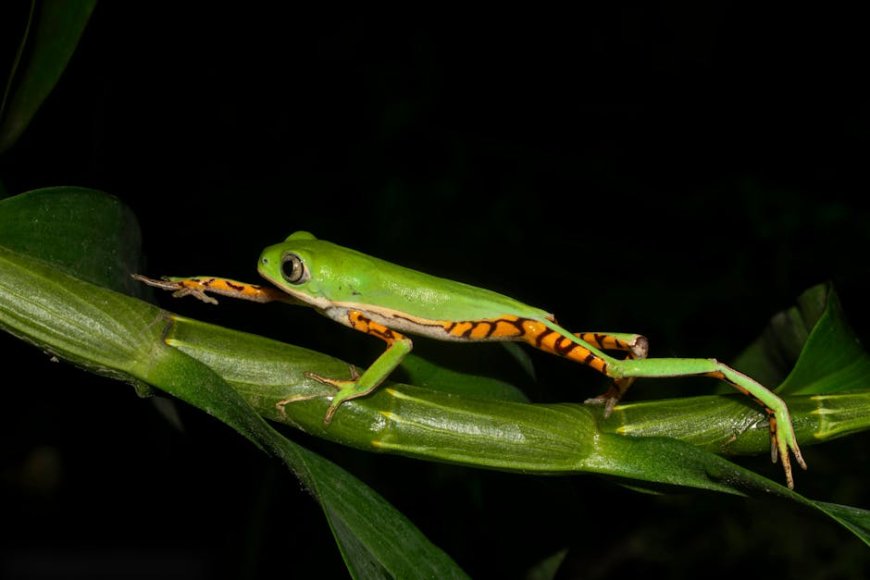
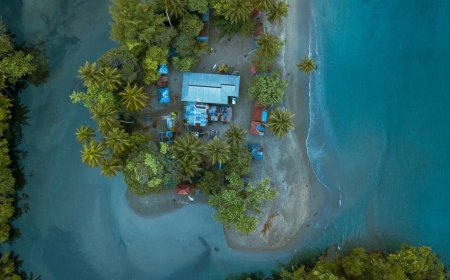
VOXBLICK.COM - Indonesia, an archipelago of over 17,000 islands, is a treasure trove of natural wonders. As the world’s largest island nation straddling the equator, Indonesia is home to an astonishing array of flora and fauna found nowhere else on Earth. Its rainforests, coral reefs, volcanic peaks, and remote islands combine to create one of the most biodiverse regions on the planet, fueling scientific discovery and inspiring global conservation efforts.
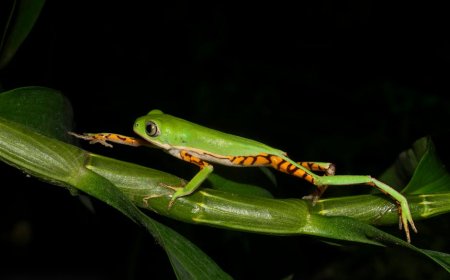
With more than 30,000 recorded plant species, 1,700 bird species, and 515 mammal species, Indonesia ranks among the top three countries for biodiversity.
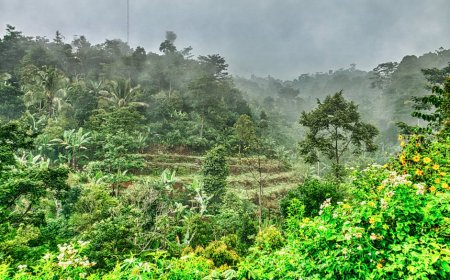
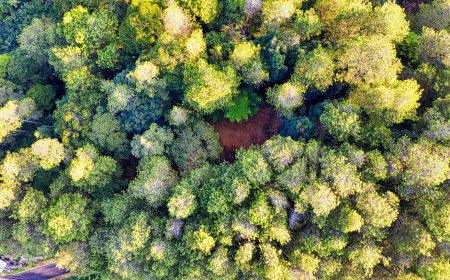
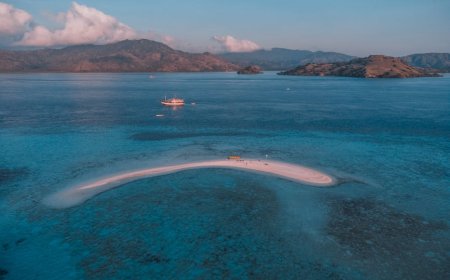
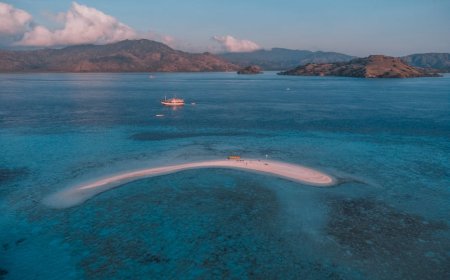
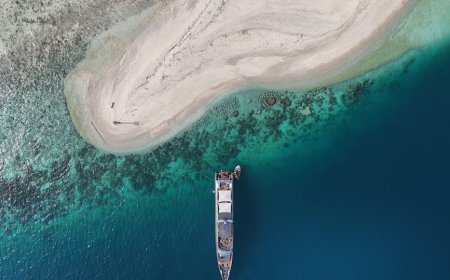
The nation’s tropical rainforestsspanning Sumatra, Kalimantan (Borneo), Papua, and Sulawesiare vital habitats for endangered wildlife such as the Sumatran tiger, orangutan, and the elusive Javan rhinoceros. Indonesia’s marine environment is no less spectacular, anchoring the Coral Triangle and supporting over 600 coral species along with myriad fish, mollusks, and marine mammals.

Discoveries Shaping Science and Conservation
Indonesia’s abundant biodiversity is not only a source of national pride but a wellspring for global scientific advancement.
Researchers continually uncover new species in its dense forests and coral reefs, with discoveries such as the “hobbit” hominin Homo floresiensis on Flores Island and the world’s smallest frog in Papua drawing international attention. Each unique find deepens our understanding of evolution, adaptation, and the interconnectedness of life.
The region’s flora has also contributed to medicine, agriculture, and biotechnology.
The famed Titan Arum, known as the “corpse flower” for its pungent bloom, and medicinal plants like Eurycoma longifolia (Tongkat Ali) are subjects of ongoing research into pharmaceuticals and sustainable cultivation. Indonesia’s natural riches are not only pivotal for science but also crucial for local communities who rely on forests and reefs for their livelihoods.
Pioneering Conservation Initiatives
The nation’s remarkable biodiversity faces significant threats from deforestation, illegal wildlife trade, overfishing, and climate change.
In response, Indonesia has become a leader in innovative conservation programs, many of which set benchmarks for global efforts. The Heart of Borneo initiative, a tri-national project with Malaysia and Brunei, aims to protect 22 million hectares of rainforestone of the last strongholds of the endangered orangutan and clouded leopard.
- Orangutan Rehabilitation Centers: Facilities in Sumatra and Kalimantan rescue and rehabilitate orphaned and displaced orangutans, preparing them for reintroduction into the wild.
- Raja Ampat Marine Protected Areas: These sanctuaries safeguard some of the world’s most diverse coral reefs, supporting sustainable fishing and ecotourism that benefit local communities.
- Forest Moratoriums: Government decrees limiting new permits for palm oil and timber plantations are helping to curb deforestation and preserve carbon-rich peatlands.
Indonesia’s conservation model embraces community-based stewardship, engaging indigenous peoples and local villagers as guardians of their ancestral lands and waters.
These collaborative approaches are increasingly recognized as effective solutions for biodiversity preservation and climate resilience worldwide.
Renewable Energy and Sustainable Futures
Indonesia’s commitment to sustainability extends beyond conservation to the adoption of renewable energy solutions.
With abundant geothermal resources, the country is the world’s second-largest producer of geothermal power, harnessing the energy of its volcanic landscape to supply millions of homes. Solar, wind, and micro-hydro projects are also expanding, particularly in remote island communities where access to electricity is limited.
Renewable energy not only reduces greenhouse gas emissions but supports Indonesia’s goal of achieving net-zero carbon by 2060. These advancements set a powerful example for other biodiversity-rich nations striving to balance economic growth with
environmental stewardship.
Global Inspiration from Ancient to Modern Discoveries
Indonesia’s influence on global innovation reaches back through millennia. Archaeological finds such as the 40,000-year-old cave art of Sulawesi and the megalithic structures of Gunung Padang offer insights into early human creativity and adaptation.
These discoveries continue to challenge and inspire our understanding of humanity’s origins and the enduring relationship between culture and nature.
Today, Indonesia’s blend of traditional ecological knowledge, conservation science, and renewable energy leadership is inspiring governments, researchers, and communities across the globe.
As the world faces unprecedented environmental challenges, Indonesia’s biodiversity and bold conservation efforts illuminate a path toward a more sustainable and awe-inspiring future.

What's Your Reaction?
 Like
0
Like
0
 Dislike
0
Dislike
0
 Love
0
Love
0
 Funny
0
Funny
0
 Angry
0
Angry
0
 Sad
0
Sad
0
 Wow
0
Wow
0