















Indonesian Theater: Traditions and Triumphs on the Asian Stage
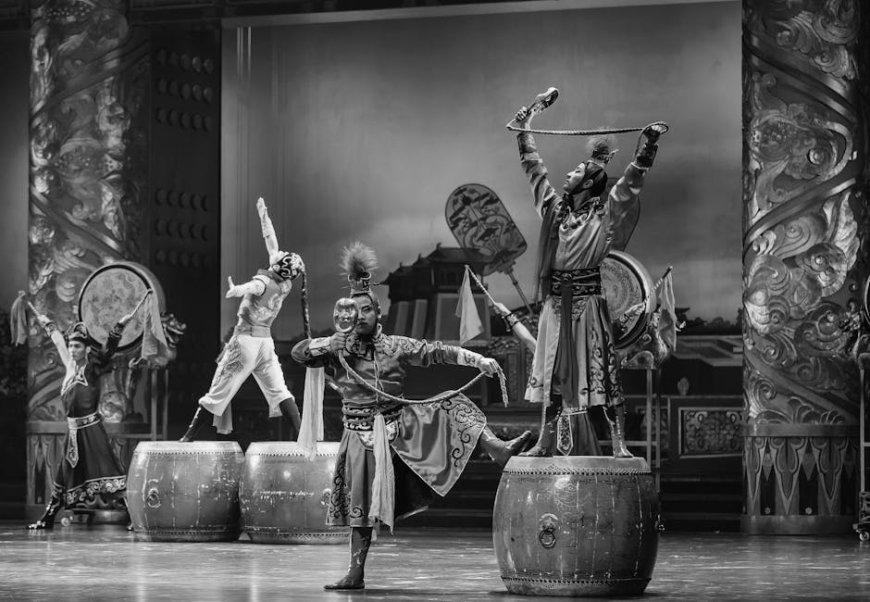
VOXBLICK.COM - Indonesian Theater: Traditions and Triumphs on the Asian Stage is a story woven through centuries, resounding in the hearts of spectators across the continent. In the lively tapestry of Asia’s performing arts, Indonesian theater stands out for its intricate rituals, captivating storytelling, and profound cultural resonance. From the shadowy elegance of Wayang Kulit to the vibrant spectacle of Ludruk and Randai, Indonesia’s theatrical traditions are not merely performancesthey are living expressions of national identity, history, and communal wisdom.
At the crossroads of ancient myth and daily life, Indonesian theater has evolved to both preserve tradition and respond to contemporary realities.
This duality is especially celebrated at Asian theater festivals, where Indonesian troupes continually earn acclaim for their originality and depth. But what makes Indonesian theater so compelling for audiences both at home and abroad? The answer lies in its marriage of ritual, artistry, and community.

The Roots of Indonesian Theater: Ritual, Myth, and Community
Much of Indonesia’s theater is rooted in ancient rituals and folklore, passed down from generation to generation.
The island archipelago’s diverse ethnic groups, from Java’s royal courts to Sumatra’s highlands, have each developed unique theatrical forms. The Javanese Wayang Kulita mesmerizing shadow puppet dramadates back over a thousand years. Performances often last all night, recounting stories from the Hindu epics Mahabharata and Ramayana, or local legends, accompanied by the haunting melodies of the gamelan orchestra.
But Indonesian theater is not limited to mythic retellings. For the Betawi people of Jakarta, Lenong brings humor and social commentary to the stage, blending slapstick, improvisation, and music.
Meanwhile, West Sumatra’s Randai combines martial arts, song, and dance in a circular performance space, symbolizing unity and communal harmony. Each tradition reflects the values, struggles, and aspirations of its community, making theater a vital force for cultural continuity.
Symbolism and Storytelling: The Heart of Performance
The symbolic richness of Indonesian theater is a key to its enduring power. Costumes and masks are more than decorative they are imbued with spiritual meaning.
In Wayang Wong (human dance-drama), elaborate headdresses and expressive makeup distinguish gods from demons, heroes from villains. The dalang, or master puppeteer, is both storyteller and spiritual guide, believed to channel ancestral spirits during performances.
This deep symbolism is not lost in contemporary reinterpretations. Modern Indonesian theater groups often weave traditional elements with present-day themes, addressing issues like environmental change or social justice.
This fusion of old and new not only preserves heritage but ensures its relevance for future generations and international audiences.
From Village Stages to Asian Festivals: Indonesia’s Global Triumphs
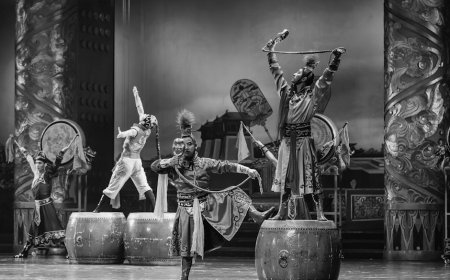
Indonesian theater’s impact reverberates far beyond village squares and royal courts. At major Asian arts festivalsfrom Singapore to SeoulIndonesian troupes earn standing ovations for their artistry and innovation.
International audiences are captivated by the dynamic energy of Ludruk (East Javanese folk theater), the poetic choreography of Balinese Topeng (mask dance-drama), and the stirring morality tales of Wayang Kulit.
- Cultural Ambassadors: Indonesian theater artists serve as cultural ambassadors, introducing Asian and global audiences to Indonesia’s pluralistic heritage.
- Cross-Cultural Collaboration: Collaborations with artists from Japan, Thailand, and beyond have enriched the theatrical dialogue, leading to innovative productions that blend traditions across borders.
- Educational Impact: Theater workshops, residencies, and exchanges foster mutual understanding, inspiring a new generation to appreciate the depth of Indonesian performing arts.
The Significance Behind the Stage
To understand Indonesian theater is to glimpse the soul of the nation.
Every performancewhether a shadow play in a rural village or a contemporary piece at an international festivalis a testament to Indonesia’s resilience, creativity, and unity in diversity. The rituals, stories, and communal gatherings at the heart of these traditions remind audiences that theater is not just entertainment, but a sacred bridge connecting past, present, and future.
For travelers and culture lovers, experiencing Indonesian theater offers far more than a night at the theaterit is an invitation into the heart of Indonesia itself, where stories are living, and every performance is a triumph of tradition on the
Asian stage.

What's Your Reaction?
 Like
0
Like
0
 Dislike
0
Dislike
0
 Love
0
Love
0
 Funny
0
Funny
0
 Angry
0
Angry
0
 Sad
0
Sad
0
 Wow
0
Wow
0