














How Indonesian Women Artists Redefine Tradition Through Art
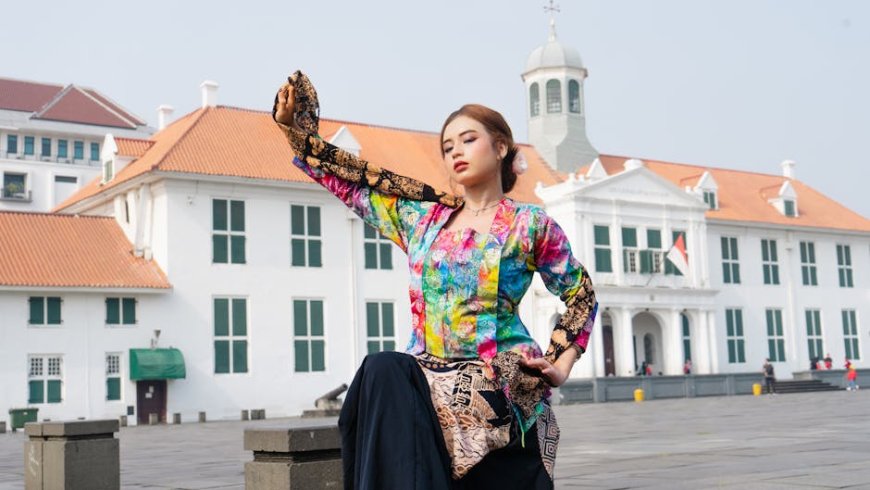
VOXBLICK.COM - Indonesia’s rich tapestry of culture is woven through centuries of tradition, artistic expression, and the diverse voices of its people. In recent decades, Indonesian women artists have emerged as powerful forces, challenging conventions and infusing new life into classic forms. By blending inherited rituals, local materials, and contemporary messages, these artists are not only redefining what art means in Indonesia but are also sparking global conversations about identity, gender, and heritage.
Traditional Indonesian arts, from intricate batik textiles to shadow puppetry and classical dance, have long reflected the values and stories of the archipelago.
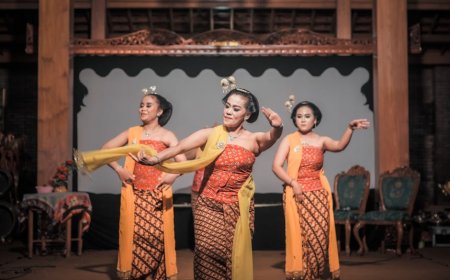
Historically, women played essential yet often understated rolespassing down weaving techniques, performing dances at village ceremonies, or crafting offerings for religious rituals. Today, a new generation of Indonesian women artists is stepping into the spotlight, honoring these roots while daring to question, reinterpret, and reimagine them.

The Roots: Tradition as a Living Heritage
For many Indonesian women, tradition is not a relic but a living, breathing heritage. Artists like Arahmaiani Feisal, born in Bandung, use performance and mixed media to address social issues while referencing Islamic and Javanese symbolism.
Meanwhile, renowned painter I Gusti Ayu Kadek Murniasih from Bali drew inspiration from her island’s myths and the everyday struggles of women. By weaving these elements into their work, such artists keep ancestral knowledge vibrant, relevant, and evolving.
Rituals, spirituality, and community have always been at the heart of Indonesian art.
In Java, the crafting of batik is as much a meditative act as it is an artistic one, with motifs often carrying deep philosophical meaninglike the parang (sword) pattern symbolizing resilience. Contemporary women artists reinterpret these motifs, sometimes subverting their meanings or combining them with modern subjects like urban life or feminism. This creative dialogue between past and present invites viewers to question what tradition truly means in a rapidly changing society.
Breaking Barriers: Art as Empowerment
Despite Indonesia’s vibrant arts scene, women have historically faced barrierssocial expectations, religious conservatism, and limited access to formal training. Yet, these very challenges have inspired resistance and innovation.
Siti Adiyati, a key figure in the Indonesian New Art Movement, used installation art to critique authoritarianism and gender roles. Younger artists like Mella Jaarsma explore themes of migration and belonging, crafting wearable sculptures from local materials such as buffalo hide and banana leaves.
- Performance art: Women like Melati Suryodarmo fuse Javanese dance traditions with avant-garde performance, exploring endurance and the body’s relationship to cultural memory.
- Textiles and crafts: Female collectives across regions revitalize traditional weaving, adapting it for contemporary fashion and interior design while supporting rural economies.
- Visual storytelling: Comic artist Marsya Nurmaranti delves into urban women’s experiences, using humor and satire to address social taboos.
Global Voices, Local Stories
As Indonesia’s art scene gains global recognition, women artists serve as cultural ambassadors, bridging local stories with international audiences.
Participation in major exhibitions, from the Venice Biennale to the Asia Pacific Triennial, has allowed these artists to highlight Indonesia’s distinct blend of tradition and innovation. Their works often challenge stereotypesinviting the world to see Indonesian culture as complex, dynamic, and inclusive of women’s voices.
The success of Indonesian women artists is also inspiring a new generation. Art schools and grassroots workshops are empowering girls from Aceh to Papua to express themselves, learn ancestral crafts, and engage with pressing social issues.
Through these creative journeys, tradition becomes not a constraint, but a foundation for bold experimentation and meaningful change.
Understanding the “Why” Behind the Movement
For foreigners looking to understand Indonesian culture, the stories of its women artists offer a unique lens. Their art reveals how tradition is continually negotiated, challenged, and celebrated.
It shows that in Indonesia, heritage is not a static monument but a dynamic conversationone that women are leading with courage, skill, and imagination.
Whether through batik, sculpture, dance, or digital media, Indonesian women artists are reminding the world that tradition can be both a root and a wing.
In their hands, the past is not forgotten it is transformed, opening new possibilities for the future of Indonesian art and identity.

What's Your Reaction?
 Like
0
Like
0
 Dislike
0
Dislike
0
 Love
0
Love
0
 Funny
0
Funny
0
 Angry
0
Angry
0
 Sad
0
Sad
0
 Wow
0
Wow
0