



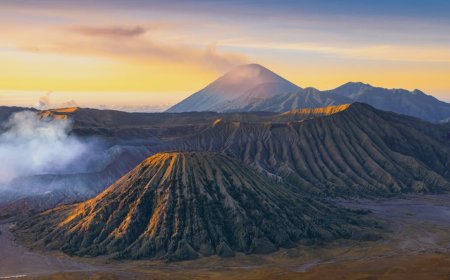











Mount Semeru Eruptions Highlight Indonesia’s Dynamic Natural Landscape
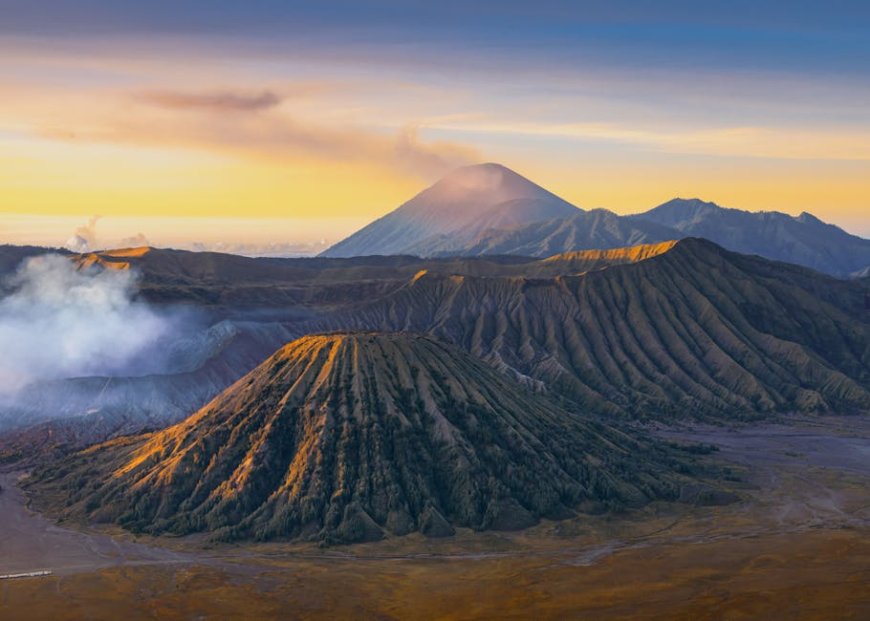
VOXBLICK.COM - Mount Semeru, the tallest volcano on Indonesia’s Java island, has once again captured the world’s attention with its recent eruptions. Towering at 3,676 meters, Semeru’s dramatic plumes of ash and lava flows are more than a geological spectaclethey are reminders of Indonesia’s status as one of Earth’s most volcanically active and ecologically diverse regions. The science behind these eruptions not only unravels the dynamism of the Indonesian archipelago, but also highlights the delicate interplay between geological forces, unique biodiversity, and urgent conservation efforts.
Indonesia lies at the nexus of four major tectonic plates, forming the infamous Ring of Fire. This volatile zone is home to over 130 active volcanoes, more than any other country on the planet.
Semeru, also known locally as Mahameru, epitomizes the ceaseless energy beneath Indonesia’s islands. Its frequent eruptions are fueled by the subduction of the Indo-Australian plate beneath the Eurasian platea process that generates magma and explosive volcanic events. These eruptions play a central role in shaping the region’s topography and soil fertility, but they also present challenges to local communities and ecosystems.
The Biodiversity Hotspot: Life Thriving Amid Volcanic Activity
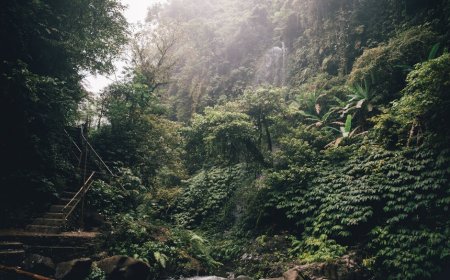
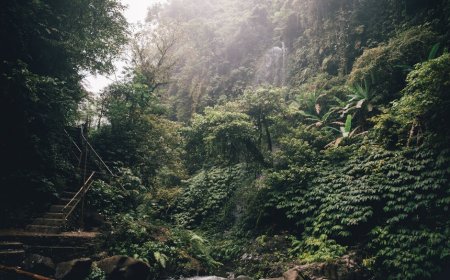
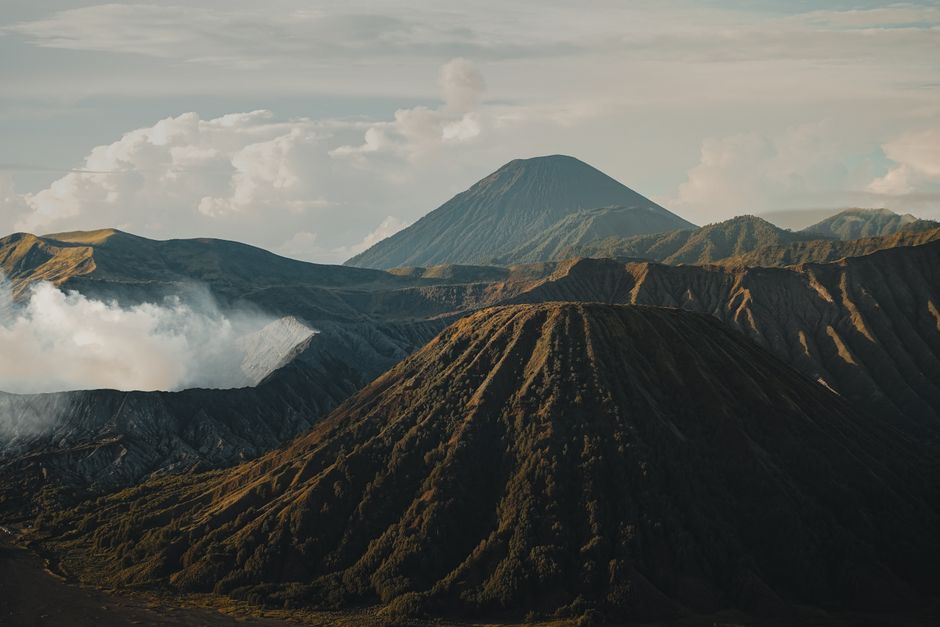
The volcanic soils surrounding Mount Semeru are renowned for their extraordinary fertility, supporting lush montane rainforests and a vast array of life.
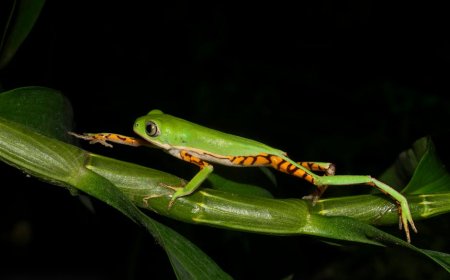
Indonesia is classified as a megadiverse country, hosting an estimated 17% of the world’s animal species and 12% of its plants. The slopes of Semeru, within the Bromo Tengger Semeru National Park, are home to rare orchids, pitcher plants, and vibrant bird species such as the Javan hawk-eagleIndonesia’s national bird. Mammals like the Javan leopard and endangered primates roam these forests, illustrating nature’s remarkable adaptability in the face of periodic volcanic upheaval.
These eruptions, despite their destructive power, also foster renewal. Ash deposits enrich the soil with minerals, triggering the regeneration of forests and the return of wildlife.
Pioneer speciesplants and animals specially adapted to colonize disturbed areasplay an essential role in ecosystem recovery, setting the stage for greater biodiversity over time.
Conservation Efforts: Protecting a Dynamic Heritage
Indonesia’s dynamic natural landscape is both a haven for biodiversity and a region under threat. Deforestation, agricultural expansion, and climate change pose significant risks to the fragile ecosystems nurtured by volcanic activity.
In response, local and international organizations have intensified conservation efforts around Mount Semeru and beyond.
- National Parks: Areas like Bromo Tengger Semeru National Park offer legal protection to forests and wildlife, while promoting sustainable tourism that benefits local communities.
- Community Engagement: Indigenous knowledge and community-led forest management are increasingly recognized as vital for effective conservation and disaster resilience.
- Research and Monitoring: Scientists closely monitor volcanic activity and ecological changes, providing early warnings and informing restoration strategies post-eruption.
Indonesia’s Landscape: A Living Laboratory
Mount Semeru’s eruptions serve as powerful reminders of Indonesia’s geological vitality and environmental significance.
The interplay of fire, earth, and life creates a living laboratory where scientists study evolution, adaptation, and ecosystem resilience. The lessons learned here extend beyond Indonesia, informing global understanding of how landscapes and life respond to natural disturbances.
As Indonesia continues to balance conservation with development, the awe-inspiring eruptions of Mount Semeru underscore the importance of safeguarding this unique natural heritage.
Whether through protecting ancient forests, supporting renewable energy initiatives inspired by geothermal power, or fostering environmental education, Indonesia’s dynamic landscapes offer hope for a more harmonious relationship between humanity and the forces that shape our world.

What's Your Reaction?
 Like
0
Like
0
 Dislike
0
Dislike
0
 Love
0
Love
0
 Funny
0
Funny
0
 Angry
0
Angry
0
 Sad
0
Sad
0
 Wow
0
Wow
0