
















Indonesian Traditions and Local Wisdom in Modern Society
VOXBLICK.COM - Indonesia, the world’s largest archipelago, is a tapestry of vibrant cultures, ancient traditions, and enduring local wisdom. From bustling urban centers to tranquil rural villages, Indonesia’s heritage continues to shape the way its people connect, celebrate, and navigate the modern world. For foreigners, understanding these deep-rooted traditions offers more than a glimpse into daily lifeit reveals the values and philosophies that unite over 17,000 islands and more than 1,300 ethnic groups.
At the heart of Indonesian society lies a unique blend of communal values and spiritual beliefs.
Concepts such as gotong royong (mutual cooperation), adat (customary laws), and rukun (social harmony) inform everything from family relationships to public decision-making. These traditions are not relics of the past rather, they adapt and thrive, weaving through contemporary life and influencing everything from art to governance.

Gotong Royong: The Spirit of Mutual Cooperation
The Indonesian phrase gotong royong encapsulates a core value: working together for the common good. It is seen in everyday activitiesneighbors building homes, cleaning villages, or organizing celebrations.
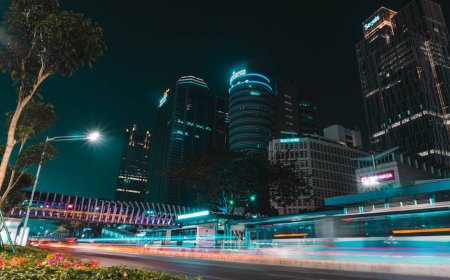
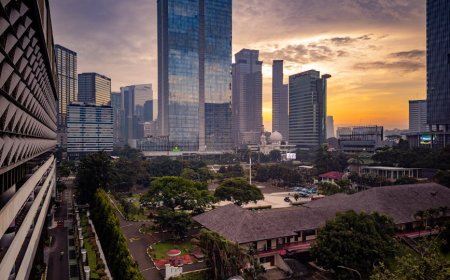
Even in urban Jakarta, community members regularly gather to maintain public spaces or support those in need. This tradition, rooted in the belief that unity brings strength, fosters trust and resilience in Indonesian communities.
For many Indonesians, gotong royong is more than a social obligation it is a way to reinforce social bonds, nurture empathy, and create a sense of belonging.
In a rapidly modernizing society, this collective spirit counterbalances the pressures of individualism and urban anonymity, ensuring that no one is left behind.
Adat: Customary Laws and Guiding Principles
The concept of adat refers to the unwritten codes of conduct and customary laws passed down through generations. Adat shapes rites of passage, dispute resolution, land ownership, and even political leadership.
In areas like Bali, Minangkabau, or Toraja, traditional councils still arbitrate conflicts and safeguard cultural rituals. Adat is flexible, allowing communities to preserve their unique identity while adapting to changes brought by modernization, technology, and globalization.
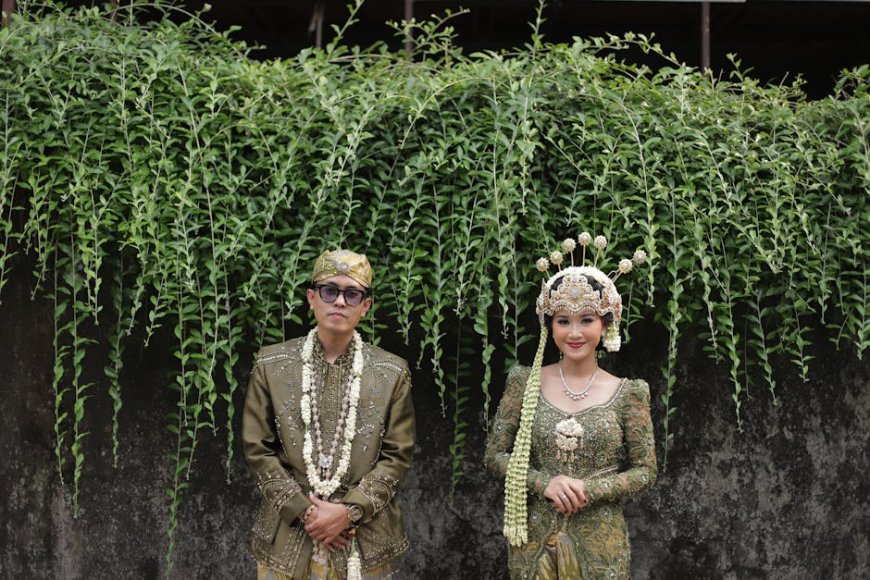
Many Indonesians continue to observe adat alongside national laws, especially during weddings, funerals, and religious festivals.
These practices serve as living testaments to the wisdom of ancestors, reminding people of their roots and responsibilities to the community.
Festivals, Rituals, and the Meaning Behind Celebrations
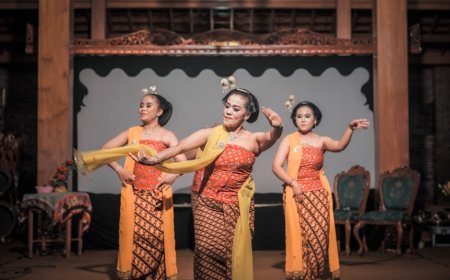
Indonesia’s cultural calendar is rich with festivals and ceremonies that reflect both spiritual beliefs and social values.
The Balinese Nyepi (Day of Silence), for instance, is not merely a holiday but an opportunity for self-reflection and communal purification. On the island of Java, Grebeg rituals blend Islamic and Javanese traditions, symbolizing gratitude for prosperity and harmony between people and nature.
- Ngaben (Balinese Cremation): A sacred rite that celebrates the soul’s journey to the afterlife, emphasizing respect for ancestors and the impermanence of life.
- Tabuik (West Sumatra): A vibrant parade honoring the Islamic month of Muharram, illustrating the fusion of local artistry and religious devotion.
- Sekaten (Java): Marking the Prophet Muhammad’s birthday, this festival brings together music, food, and traditional games, encouraging intergenerational bonding.
Each festival carries stories, symbols, and lessons that reinforce communal values and spiritual awareness, creating continuity between generations.
Local Wisdom in Modern Life
As Indonesia embraces digital technology and global trends, local wisdom remains a compass for navigating change.
Environmental sustainability is a prime example: indigenous practices like subak (Bali’s communal irrigation system) and sasi (fishing restrictions in Maluku) demonstrate centuries-old ecological knowledge now recognized by UNESCO and conservationists worldwide.
In the business world, the principles of musyawarah (deliberation) and mufakat (consensus) guide decision-making, promoting dialogue and inclusivity.
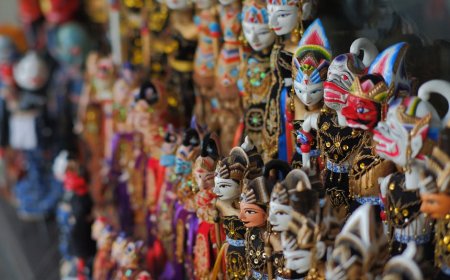
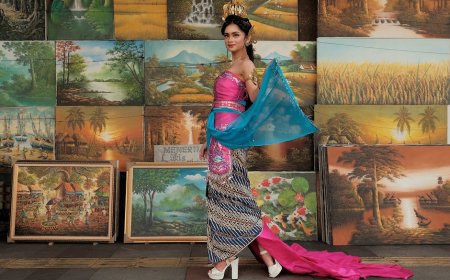
Even Indonesian pop culture, from films to fashion, often draws inspiration from traditional motifs and folklore, blending heritage with contemporary creativity.
The Enduring Influence of Heritage
Indonesia’s traditions and local wisdom are not staticthey are dynamic forces shaping social values, relationships, and the nation’s vision for the future.
By honoring the past while embracing innovation, Indonesians demonstrate how heritage can inspire resilience, harmony, and a strong sense of identity in the modern world. For visitors and new residents alike, engaging with these traditions opens a window into the soul of Indonesiaa country where the old and new coexist in remarkable harmony.
What's Your Reaction?
 Like
0
Like
0
 Dislike
0
Dislike
0
 Love
0
Love
0
 Funny
0
Funny
0
 Angry
0
Angry
0
 Sad
0
Sad
0
 Wow
0
Wow
0