























Indonesia Faces Nipah Virus Risk Amid Migratory Bird Activity
Indonesia Faces Nipah Virus Risk Amid Migratory Bird Activity
VOXBLICK.COM - Indonesia, Southeast Asia’s largest economy and a pivotal player in the regional manufacturing and investment landscape, is facing new public health concerns linked to the Nipah virus. Recent warnings from the Indonesian Ministry of Health highlight the country’s susceptibility to Nipah virus transmission, particularly due to the annual activity of migratory birds and the presence of fruit bats, natural reservoirs of the virus. This development holds implications not only for public health but also for the stability of Indonesia’s investment climate and the operational continuity of business and manufacturing sectors.
Nipah virus, a zoonotic pathogen with a high fatality rate and no approved vaccine, has historically caused outbreaks in South and Southeast Asia. The virus can be transmitted from animals to humans, with fruit bats (Pteropus spp.
) and migratory birds acting as key vectors. Indonesia’s archipelagic geography, coupled with its location under major migratory bird routes, increases its exposure to this risk, especially in regions with intensive agricultural and industrial activity.

Potential Economic Impact and Investor Sentiment
The risk of a Nipah virus outbreak carries significant implications for Indonesia’s economic stability and attractiveness to investors.
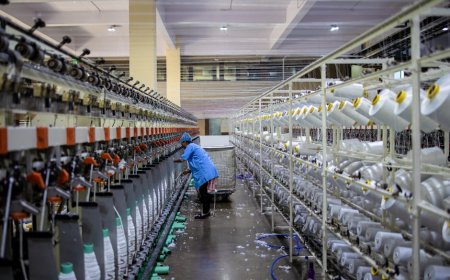
The country has emerged as a manufacturing powerhouse in Southeast Asia, attracting foreign direct investment (FDI) in electronics, automotive, and consumer goods sectors. According to Indonesia’s Investment Coordinating Board (BKPM), FDI inflows reached nearly USD 45 billion in 2023, a testament to its growing role in global supply chains.
However, public health risks such as Nipah virus can disrupt business operations, strain healthcare resources, and prompt investor caution. A potential outbreak could lead to:
- Workforce Disruptions: Absenteeism and health-related productivity losses in factories and offices.
- Supply Chain Interruptions: Quarantines or movement restrictions could hinder logistics and export-import activities.
- Increased Operational Costs: Companies may need to invest in health monitoring, workplace sanitation, and insurance.
- Investor Uncertainty: Concerns about outbreak containment can delay investment decisions or shift capital to less risky markets.
Sector-Specific Risks and Opportunities
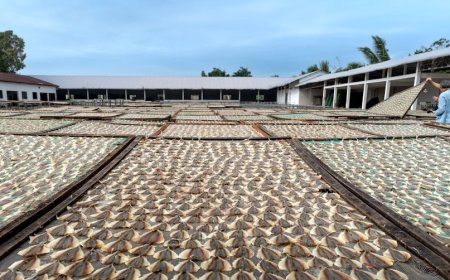
Indonesia’s agricultural sector, particularly fruit and livestock production, is vulnerable to Nipah-related disruptions.
The virus can spread through contaminated fruit or direct contact with infected animals, heightening risk in rural economies and food processing industries. For export-driven manufacturers, a health crisis could impact global supply contracts and compliance with international safety standards.
Conversely, the situation may accelerate investments in biotechnology, digital health, and supply chain automation.
Companies providing advanced surveillance, diagnostics, and health logistics solutions could find new opportunities in the Indonesian market. The government’s push for Industry 4.0 and smart manufacturing aligns with these emerging needs, creating a potential silver lining for tech-oriented investors.
Strengthening Public Health Infrastructure
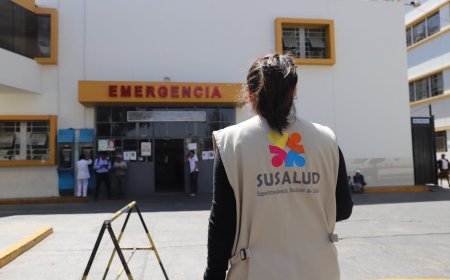
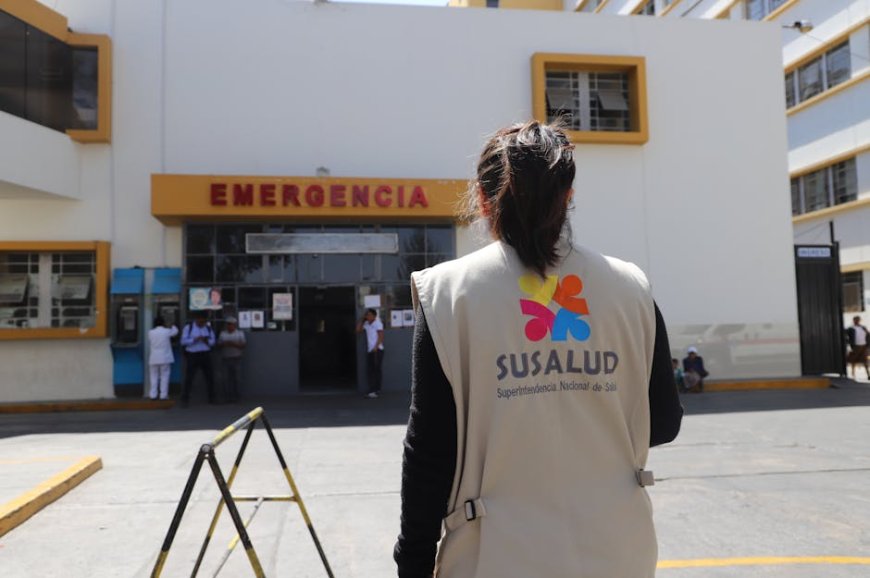
The Indonesian government has responded proactively by enhancing surveillance of migratory bird populations and bat habitats, especially in Java, Sumatra, and Kalimantan.
Cross-sector collaboration between the Ministry of Health, Ministry of Agriculture, and local governments aims to implement early warning systems and rapid response protocols. These efforts are critical for safeguarding not only public health but also the operational resilience of Indonesia’s manufacturing and business sectors.
ASEAN-wide cooperation is also gaining prominence.
Indonesias role in regional disease surveillance networks strengthens Southeast Asia’s collective capacity to manage zoonotic threats, providing reassurance to multinational investors and trade partners.
Strategic Considerations for Businesses and Investors
To mitigate risks, businesses operating in Indonesia should:
- Develop and regularly update pandemic response and business continuity plans.
- Invest in occupational health, employee training, and workplace hygiene.
- Monitor government advisories and participate in public-private health initiatives.
- Leverage digital tools for supply chain transparency and risk assessment.
For investors, maintaining a long-term perspective is crucial. Indonesia’s fundamentalslarge domestic market, favorable demographics, and ongoing economic reformsremain strong.
However, factoring in health system resilience and crisis management capacity will be essential in portfolio decisions and corporate strategies in the coming years.

What's Your Reaction?
 Like
0
Like
0
 Dislike
0
Dislike
0
 Love
0
Love
0
 Funny
0
Funny
0
 Angry
0
Angry
0
 Sad
0
Sad
0
 Wow
0
Wow
0