
















Indonesia’s Rich Biodiversity and Conservation Efforts Inspire the World
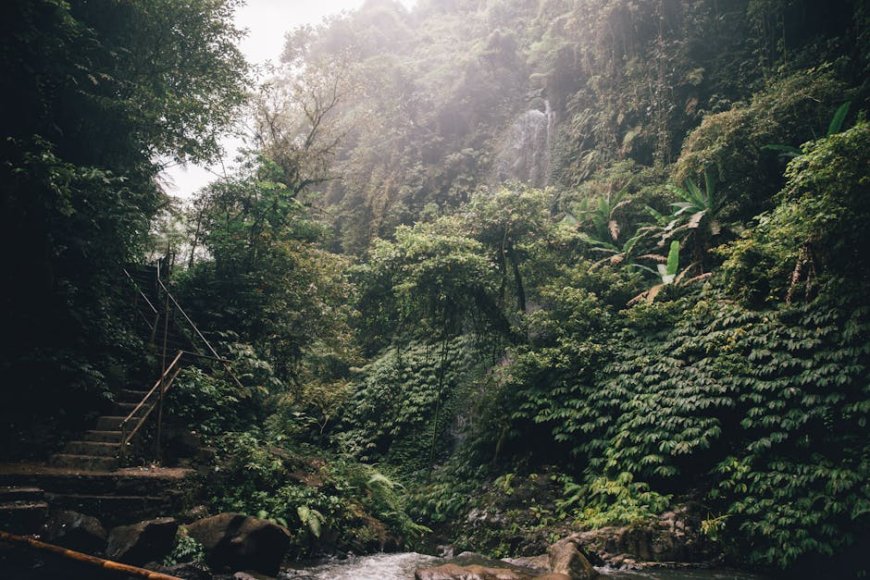
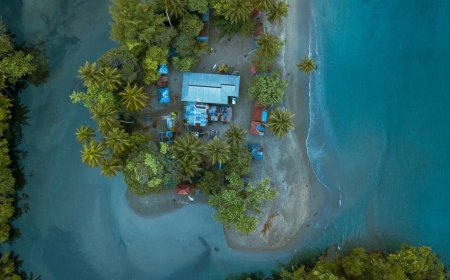
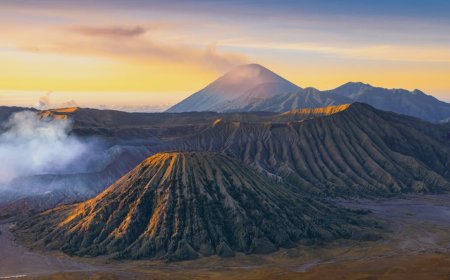
VOXBLICK.COM - Indonesia stands as one of the world’s most fascinating natural laboratories. Sprawling across more than 17,000 islands, this Southeast Asian archipelago harbors an astonishing range of ecosystemslush rainforests, volcanic mountains, coral reefs, and mangrove swampseach brimming with unique life forms. As the world’s second-most biodiverse country after Brazil, Indonesia plays a critical role in global conservation and scientific discovery.
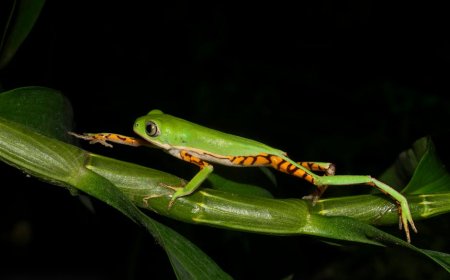
The region is home to approximately 17% of the planet’s wildlife species. Indonesia’s forests shelter majestic giants such as the Sumatran tiger and orangutan, while its reefs are among the richest in coral and fish diversity.
This natural wonderland has inspired scientists, conservationists, and adventurers for generations, fueling important research on evolution, adaptation, and sustainability.

The Flora and Fauna of a Megadiverse Nation
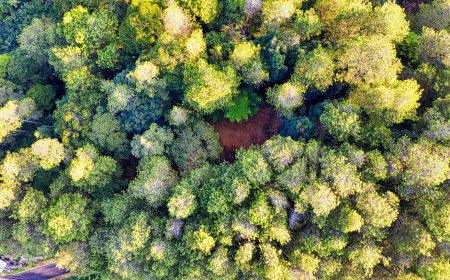
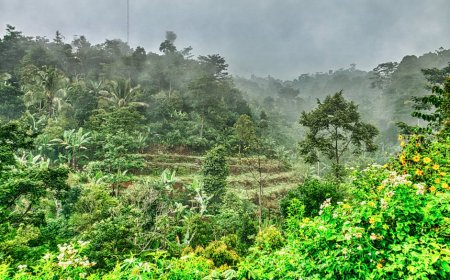
Indonesia’s biodiversity is legendary. Its tropical rainforests, which form part of the “Wallacea” and “Sundaland” biodiversity hotspots, shelter over 700 mammal species and more than 1,700 species of birdsmany found nowhere else.
The critically endangered Javan rhinoceros, mysterious Komodo dragon, and the striking bird-of-paradise all call Indonesia home. The country’s flora is equally remarkable, boasting over 30,000 species of flowering plants, including the world’s largest flower, Rafflesia arnoldii, and the towering titan arum.
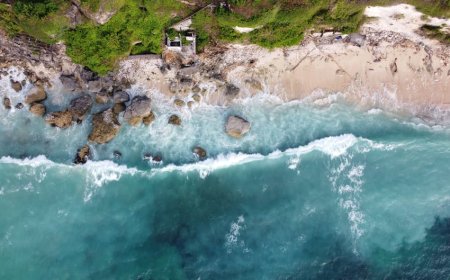
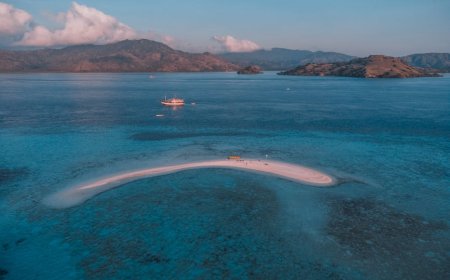
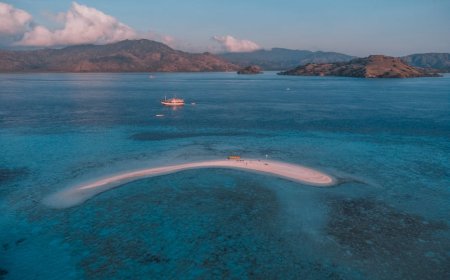
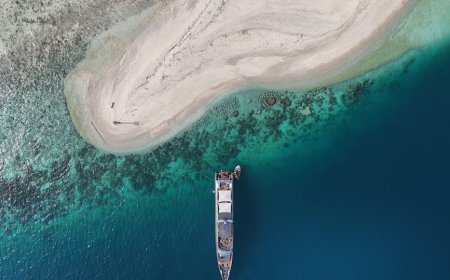
Indonesia’s marine environments are equally dazzling. Located at the heart of the Coral Triangle, its waters harbor 76% of all known coral species and over 2,000 species of reef fish.
The Raja Ampat islands, in particular, are celebrated as the world’s richest marine biodiversity hotspot, attracting divers and marine biologists from around the globe.
Innovative Conservation Efforts
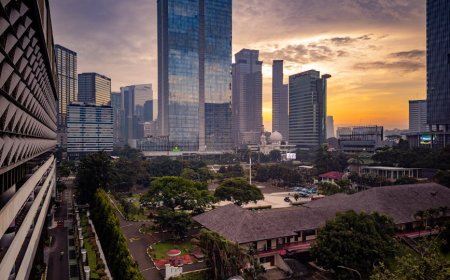
Amid rapid economic development, Indonesia faces daunting conservation challengesdeforestation, illegal wildlife trade, and habitat fragmentation threaten its unique ecosystems. Yet, it is also a place of hope and innovation.
The government and a dynamic network of NGOs have launched ambitious conservation initiatives:
- Forest Moratorium: A national moratorium on new permits for primary forest and peatland conversion has slowed deforestation rates and preserved critical habitats.
- Orangutan Rehabilitation: Centers in Borneo and Sumatra rescue, rehabilitate, and reintroduce orangutans to the wild, safeguarding one of humanity’s closest relatives.
- Marine Protected Areas: Indonesia has established over 20 million hectares of marine protected zones, aiming to conserve coral reefs and sustain fisheries for future generations.
- Community-Based Conservation: Empowering local communities, especially Indigenous peoples, has proved vital in protecting forests and wildlife, blending traditional knowledge with modern science.
Pioneering Renewable Energy and Sustainability
Indonesia’s commitment to conservation extends into the realm of renewable energy and sustainable development.
As one of the world’s largest geothermal energy producers, Indonesia is harnessing its volcanic geography to reduce reliance on fossil fuels. Solar, wind, and bioenergy projects are being piloted across the islands, aiming to provide clean energy while minimizing the environmental footprint.
Eco-tourism is another innovative strategy, channeling global fascination with Indonesia’s wildlife and natural beauty into funding for conservation initiatives and sustainable livelihoods for local communities.
Archaeological Discoveries: Connecting Past and Present
The richness of Indonesia’s natural world is matched by its archaeological treasures.
The discovery of the Homo floresiensis (“hobbit”) fossils on Flores Island and ancient cave art in Sulawesi have revolutionized our understanding of human evolution and migration. These finds, preserved in harmony with their habitats, underscore the need to protect both cultural and natural heritage.
Indonesia: A Beacon for Global Conservation
Indonesia’s efforts to balance development with conservation offer valuable lessons for the world.
Through innovative strategies, international cooperation, and a deep respect for nature, Indonesia has become a model for biodiversity protection and sustainable progress. As scientists continue to uncover new species and ancient secrets from its islands and jungles, Indonesia remains a source of awe and inspirationa true testament to the wonders of our living planet.

What's Your Reaction?
 Like
0
Like
0
 Dislike
0
Dislike
0
 Love
0
Love
0
 Funny
0
Funny
0
 Angry
0
Angry
0
 Sad
0
Sad
0
 Wow
0
Wow
0