



















Indonesia Boosts Coral Reef Protection by Regulating Cruise Ships
Indonesia Boosts Coral Reef Protection by Regulating Cruise Ships
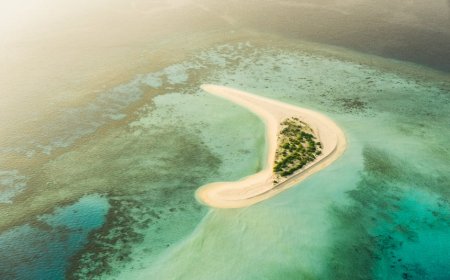
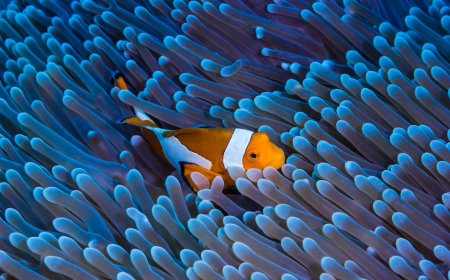
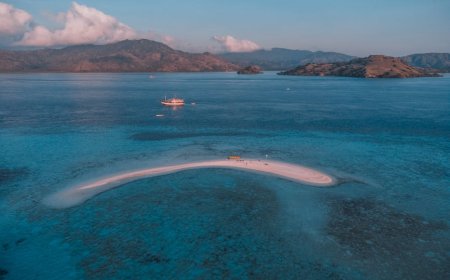
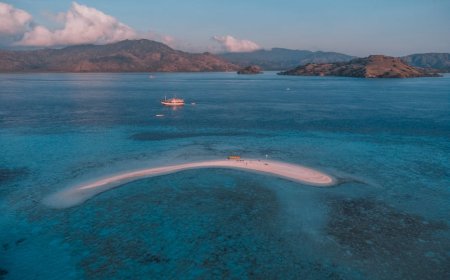
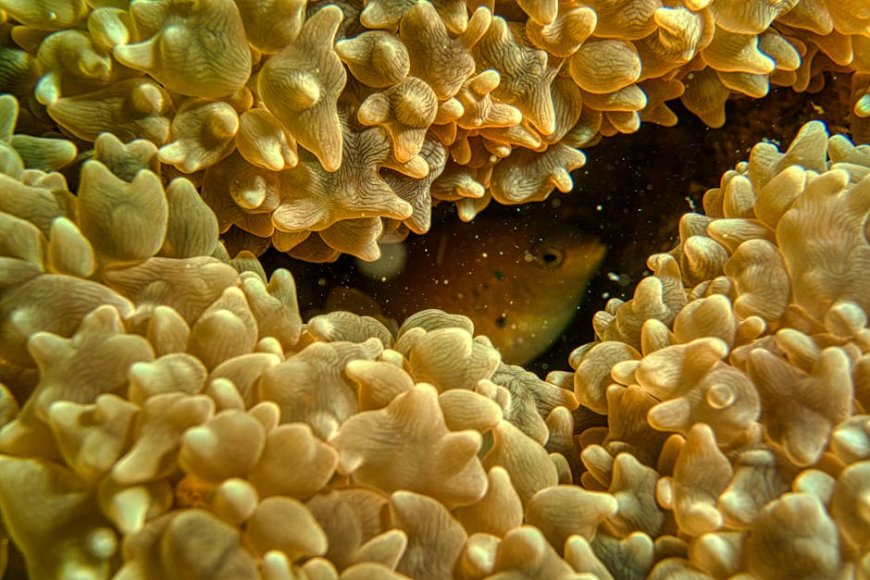
VOXBLICK.COM - Indonesia, the world’s largest archipelago nation, is globally celebrated for its breathtaking marine biodiversity. With over 17,000 islands scattered across the equator, the country hosts some of the richest coral reef ecosystems on the planet. These vibrant undersea landscapes support thousands of fish species, intricate coral formations, and rare marine life, making Indonesia a paradise for divers, scientists, and conservationists alike.
However, the increasing popularity of cruise tourism has brought new challenges to Indonesia’s coral reefs. Large vessels, carrying thousands of visitors, have unintentionally contributed to physical damage, pollution, and habitat disturbance.
Recognizing the urgency to protect these ecological treasures, the Indonesian government is now implementing stricter regulations for cruise ships, aiming to secure the future of its marine wonders.

Coral Reefs: The Beating Heart of Indonesia’s Biodiversity
Indonesia lies at the center of the Coral Triangle, a region recognized as the “Amazon of the Seas.” Its reefs cover approximately 51,000 square kilometers, supporting an estimated 76% of the world’s coral species and over 2,000 species of reef fish.
These underwater ecosystems not only nurture marine biodiversity but also sustain coastal communities through fisheries, tourism, and coastal protection.
Sadly, coral reefs are increasingly threatened by a combination of climate change, destructive fishing practices, land-based pollution, and the anchoring and waste from large vessels.
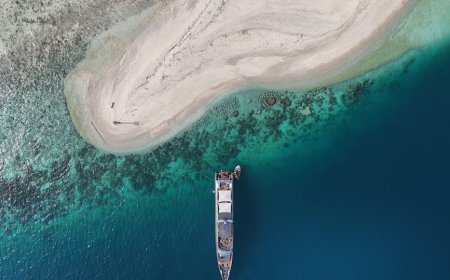
Cruise ships, in particular, can cause severe harm when navigating shallow waters, dropping anchor directly on reefs, or discharging untreated waste near sensitive habitats.
Stronger Regulations to Safeguard Marine Ecosystems
To address these threats, Indonesia’s government has introduced a comprehensive set of regulations targeting cruise ship operations. Key measures include:
- Designated anchorage zones: Cruise ships are now required to anchor only in designated deep-water zones, far from fragile coral reefs.
- Strict waste management protocols: Vessels must comply with rigorous waste treatment and disposal standards to prevent pollution.
- Crew and passenger education: Operators are encouraged to provide environmental awareness programs, ensuring that everyone on board understands the importance of coral reef conservation.
- Monitoring and enforcement: The government has increased surveillance and imposed heavier penalties for violations, utilizing satellite tracking and regular inspections.
These regulations reflect Indonesia’s commitment to balancing economic growth with environmental stewardship, ensuring that marine tourism can flourish without sacrificing ecological integrity.
International Collaboration and Scientific Research
Indonesia’s efforts are supported by collaborations with international conservation organizations, marine scientists, and local stakeholders.
Projects like the Coral Triangle Initiative and partnerships with UNESCO’s World Heritage Marine Programme facilitate knowledge exchange and resource sharing. Cutting-edge technologies, including drone monitoring and underwater mapping, help researchers track reef health and guide adaptive management strategies.
Community engagement is also central to conservation success. Local residents, often the first to witness environmental changes, are empowered to participate in reef monitoring, restoration projects, and sustainable tourism initiatives.
This inclusive approach ensures that traditional knowledge and modern science work hand in hand.
Inspiring a Global Model for Marine Conservation
Indonesia’s decisive action to regulate cruise ships is already inspiring awe among conservationists and policymakers worldwide.
By setting a precedent for sustainable marine tourism, the nation demonstrates how economic interests can coexist with the urgent need to preserve biodiversity hotspots.
For visitors, the allure of Indonesia’s coral reefs lies not only in their beauty but in the story of resilience and responsible stewardship.
As cruise lines adapt to the new rules and travelers embrace eco-friendly practices, Indonesia’s reefs stand a better chance of thriving for generations to come.
The continued protection of these underwater wonders is a testament to Indonesia’s role as a guardian of the planet’s most extraordinary marine ecosystemsan inspiring example of how science, policy, and community action can unite to safeguard our
natural heritage.

What's Your Reaction?
 Like
0
Like
0
 Dislike
0
Dislike
0
 Love
0
Love
0
 Funny
0
Funny
0
 Angry
0
Angry
0
 Sad
0
Sad
0
 Wow
0
Wow
0