















Indonesia’s Biodiversity Marvels and Conservation Success Stories
Indonesia: A Living Laboratory of Biodiversity
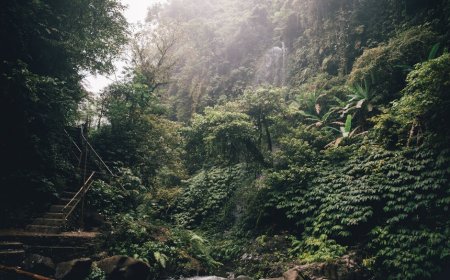
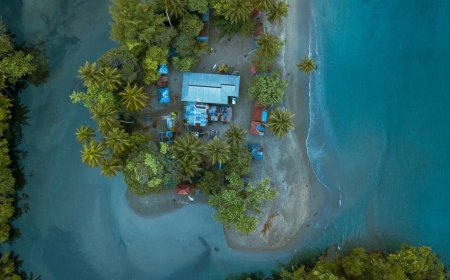
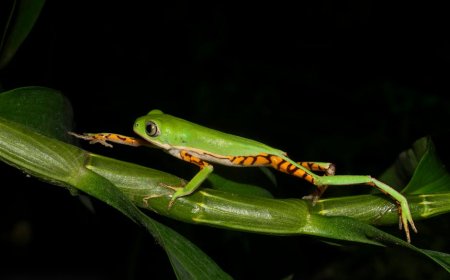
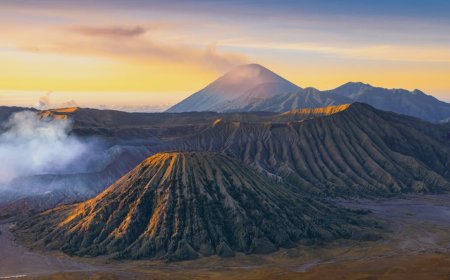
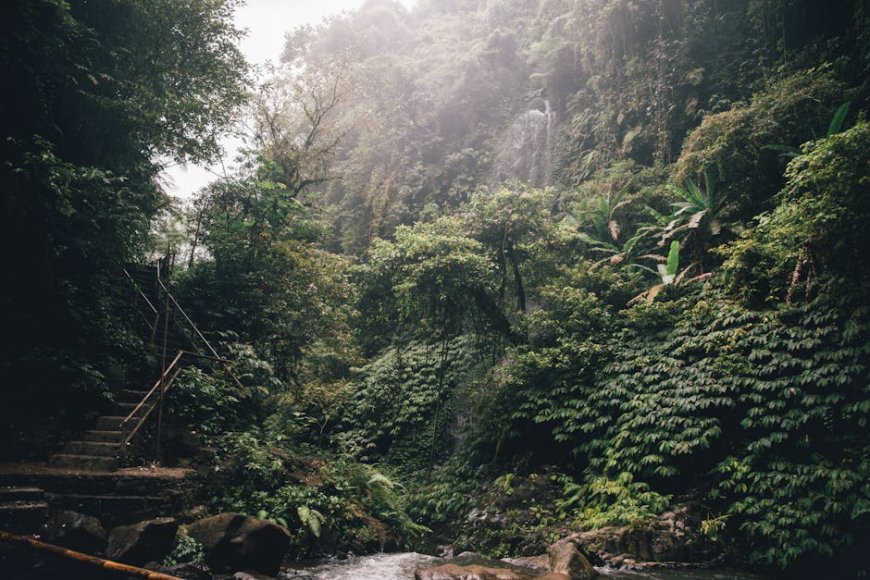
VOXBLICK.COM - Indonesia, an archipelago of more than 17,000 islands, stands as one of the worlds most biodiverse nations. Straddling the equator and stretching between the Asian and Australian continents, Indonesia’s unique geography has fostered a kaleidoscope of ecosystems, from lush rainforests to coral reefs teeming with life. This sprawling nation is home to over 300,000 animal speciesabout 17% of the world’s wildlifeincluding iconic creatures such as orangutans, Komodo dragons, Sumatran tigers, and a dazzling array of birds and insects. Botanically, Indonesia boasts more than 40,000 plant species, many of which are endemic and play essential roles in global ecology.
Indonesia’s “Wallacea” region, a transition zone between Asian and Australasian flora and fauna, is particularly noteworthy.
Here, species that evolved in geographic isolationlike the anoa (dwarf buffalo) and babirusa (deer-pig)demonstrate nature’s creativity and adaptability. The country’s tropical rainforests, peatlands, and mangroves are vital carbon sinks, supporting both local livelihoods and global climate stability.

Pioneering Conservation Successes
Indonesia faces immense challenges: deforestation, illegal wildlife trade, and climate change threaten its natural treasures. Yet, the nation has become a model for innovative conservation strategies.
Collaborative efforts between government, local communities, and international organizations have yielded inspiring results.
- Orangutan Rehabilitation: In Borneo and Sumatra, rehabilitation centers rescue and reintroduce orangutans displaced by habitat loss. The Orangutan Foundation International and local partners have helped thousands of great apes return to the wild.
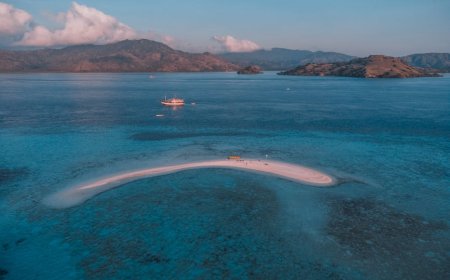
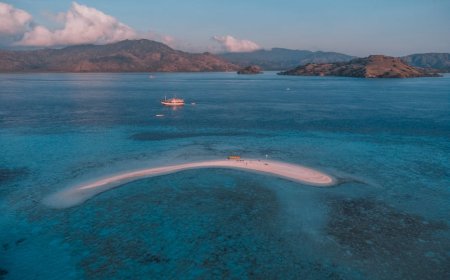
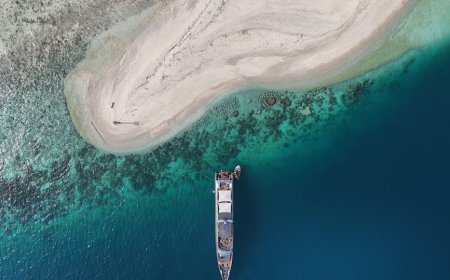
- Komodo National Park: This UNESCO World Heritage Site protects the world’s largest lizard, the Komodo dragon, along with its island habitats and vibrant marine biodiversity. Careful management and ecotourism initiatives have bolstered both conservation and community economies.
- Harapan Rainforest Project: A groundbreaking forest restoration program, Harapan Rainforest in Sumatra, integrates indigenous knowledge with modern science to restore degraded lowland forests and save endangered species like the Sumatran tiger and hornbill.
Community-based conservation has empowered indigenous peoples and local villagers to become stewards of their lands, blending traditional wisdom with scientific research to monitor wildlife, patrol forests, and restore habitats.
Renewable Energy: Powering a Greener Future
Indonesia’s commitment to sustainability extends beyond wildlife. As a country vulnerable to climate change, it has invested heavily in renewable energy to reduce reliance on fossil fuels.
Geothermal energy is a particular strength: Indonesia contains 40% of the world’s geothermal reserves, harnessed for clean power generation. Solar and micro-hydro projects are also expanding, electrifying remote communities while reducing environmental impact.
Government initiatives such as the “100 Islands Solar Project” and incentives for private investment are accelerating Indonesia’s green transition.
These advances not only help preserve Indonesia’s ecosystems but also set an example for other biodiverse nations seeking to balance development with environmental stewardship.
Archaeological Treasures: Clues to Ancient Civilizations
Indonesia’s wonders extend beneath the forest canopy and into the depths of its caves. Archaeological discoveries have rewritten human history, demonstrating the region’s vital role in early human migration and creativity.
The island of Sulawesi revealed some of the world’s oldest cave arthand stencils and animal paintings dating back over 40,000 years. In Flores, the discovery of Homo floresiensis (“the Hobbit”), a diminutive hominin species, stunned scientists and fueled new debates about human evolution.
These finds, combined with ancient megaliths and temples like Borobudur, speak to Indonesia’s enduring legacy as a crossroads of cultures and a cradle of human ingenuity.
The Unfolding Story of Indonesia’s Natural Wonders
Indonesia’s biodiversity, conservation achievements, renewable energy leadership, and archaeological revelations combine to create a unique scientific and cultural tapestry.
With every rainforest preserved, species saved, and ancient artifact uncovered, Indonesia inspires awe and offers hope for a sustainable future. As global awareness and support for conservation grow, the archipelago’s marvels promise to endure for generationsreminding us of the profound connections between nature, history, and humanity.

What's Your Reaction?
 Like
0
Like
0
 Dislike
0
Dislike
0
 Love
0
Love
0
 Funny
0
Funny
0
 Angry
0
Angry
0
 Sad
0
Sad
0
 Wow
0
Wow
0