



















Indonesia’s Migrating Wildlife and the Science of Conservation
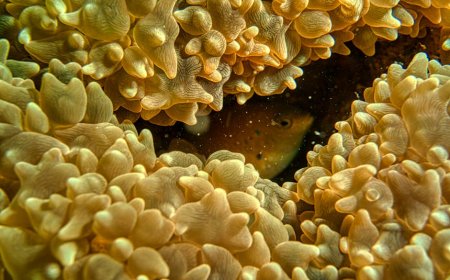
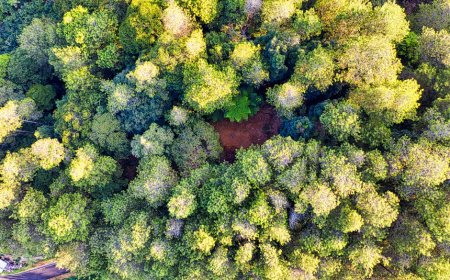
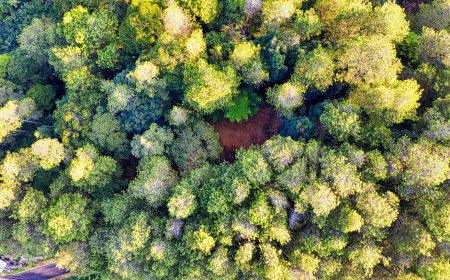
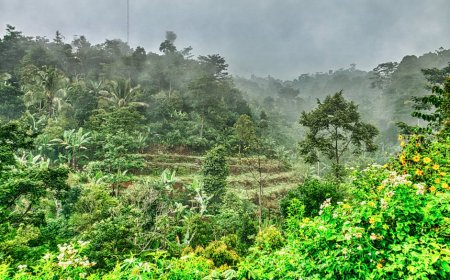
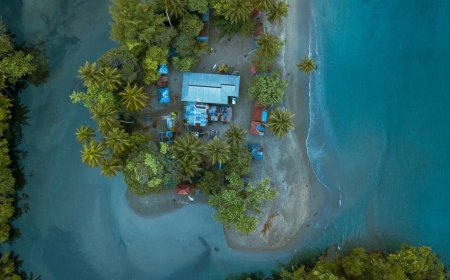
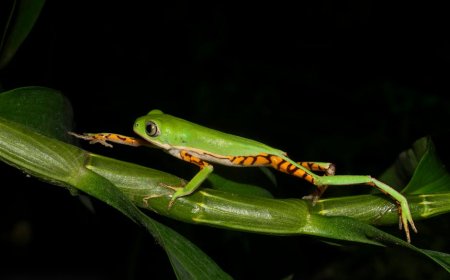
VOXBLICK.COM - Indonesia, the world’s largest archipelago, is a living gallery of biodiversity. Spanning over 17,000 islands, this equatorial nation is home to more than 17% of the world’s bird species, thousands of mammals and reptiles, and a staggering array of flora. Its rainforests, mangroves, and coral reefs are not just static habitatsthey are dynamic, bustling corridors for migrating wildlife whose journeys are both vital for ecosystem health and increasingly threatened by human activity.
Among Indonesia’s most fascinating natural phenomena is the annual movement of migrating birds and bats, whose epic voyages paint a picture of interconnectedness across continents.
These species not only enrich Indonesia’s ecosystems but also highlight the need for innovative conservation sciencebalancing the protection of unique wildlife with the health and safety of human communities.

The Marvel of Migrating Birds
Each year, Indonesia becomes a vital waypoint for millions of migratory birds traveling the East Asian–Australasian Flyway.
Species such as the Bar-tailed Godwit, Far Eastern Curlew, and Lesser Sand Plover depend on Indonesia’s wetlands and mudflats to rest and refuel during their extraordinary journeys between Siberia and Australia. These stopover sites are not just pit stopsthey are lifelines for birds facing exhaustion, predation, and shrinking habitats.
Bird migration is a spectacular display of endurance, navigation, and survival. Yet, Indonesia’s critical wetlands are under increasing threat from land reclamation, pollution, and climate change.
Conservation organizations and government agencies are collaborating to protect these habitats by designating Ramsar Wetlands and setting up birdwatching ecotourism programs. These efforts aim to preserve the delicate balance between migratory birds and the landscapes they depend upon, ensuring these magnificent journeys continue for generations.
Bats: Nighttime Navigators and Ecological Guardians
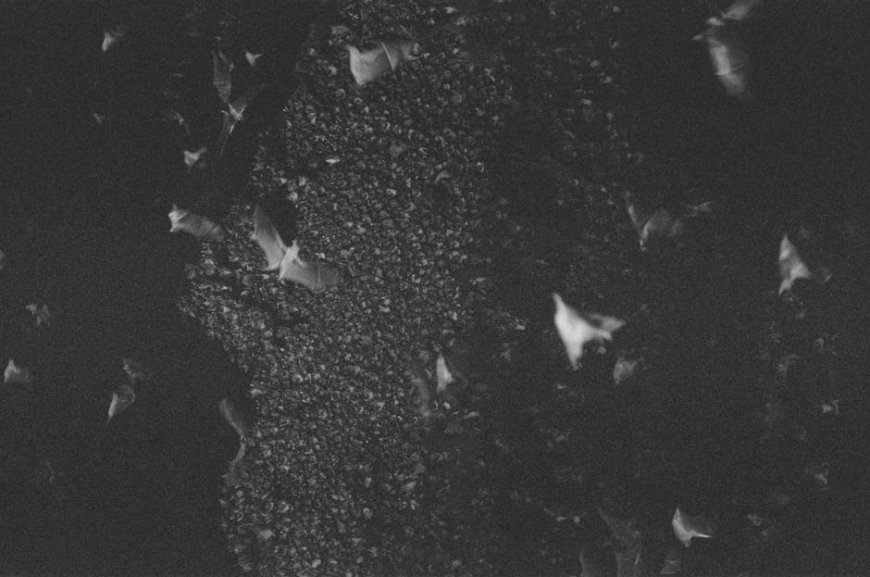
Indonesia is also famous for its rich diversity of bats, including the world’s largest, the Pteropus vampyrus or large flying fox.
Thousands of bats migrate nightly between islands, pollinating fruit trees and dispersing seeds, playing a silent but crucial role in forest regeneration. Their movement helps maintain healthy ecosystems, supporting everything from durian crops to wild fig forests.
However, bats often face negative perceptions due to their association with disease. The COVID-19 pandemic has intensified fears, sometimes leading to culling or habitat destruction.
Scientists emphasize that protecting bat populations is vital, not only for biodiversity but also for controlling insect pests and sustaining Indonesia’s forests. Conservationists are working to educate communities, promote safe coexistence, and establish protected roosting sites away from densely populated areas.
Conservation Science in Action
The science of conservation in Indonesia is evolving rapidly, blending traditional ecological knowledge with cutting-edge research.
Satellite tracking reveals the complex routes of migratory birds and bats, while drone mapping helps identify critical habitats in need of protection. Community-based conservation programs engage local people as stewards, recognizing that long-term success depends on partnerships with those who share the land with wildlife.
- Habitat Restoration: Replanting mangroves and restoring peatlands to provide safe stopovers for migratory birds and bats.
- Wildlife Corridors: Creating connected, protected areas to support seasonal movements and genetic diversity.
- Public Awareness: Educating local communities and visitors about the importance of migratory species and responsible tourism.
- Monitoring & Research: Using tagging, satellite technology, and citizen science to monitor wildlife movements and threats.
Balancing Ecological Health with Public Safety
Indonesia’s role as a crossroads for migrating wildlife brings both opportunities and challenges.
While birds and bats are key to sustaining forests, wetlands, and agriculture, the risk of zoonotic diseases demands vigilant science and public health measures. Conservationists and policymakers are focused on minimizing conflict by maintaining ecological resiliencehealthy habitats that reduce disease transmission and support biodiversity.
Through the science of conservation, Indonesia is charting a path that honors its unique natural heritage while safeguarding human communities.
The awe-inspiring journeys of its migrating wildlife remind us of our shared responsibility to protect the intricate web of life stretching across islands, continents, and generations.

What's Your Reaction?
 Like
0
Like
0
 Dislike
0
Dislike
0
 Love
0
Love
0
 Funny
0
Funny
0
 Angry
0
Angry
0
 Sad
0
Sad
0
 Wow
0
Wow
0