










Indonesia’s Biodiversity and Conservation Inspiring Science and Sustainability
Indonesia: A Living Laboratory of Biodiversity
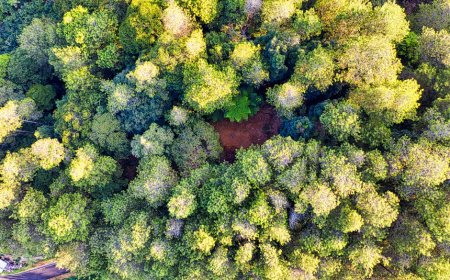
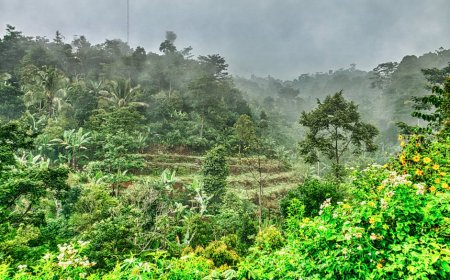
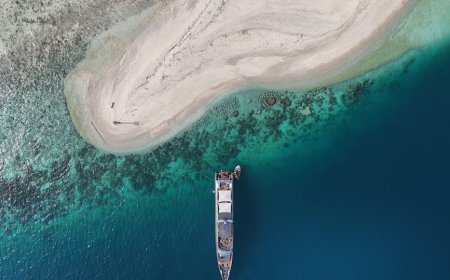
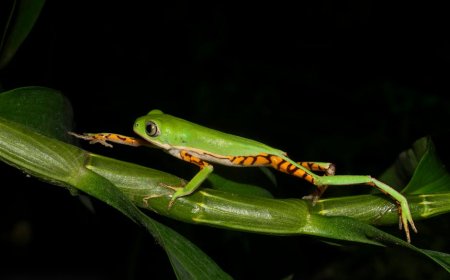
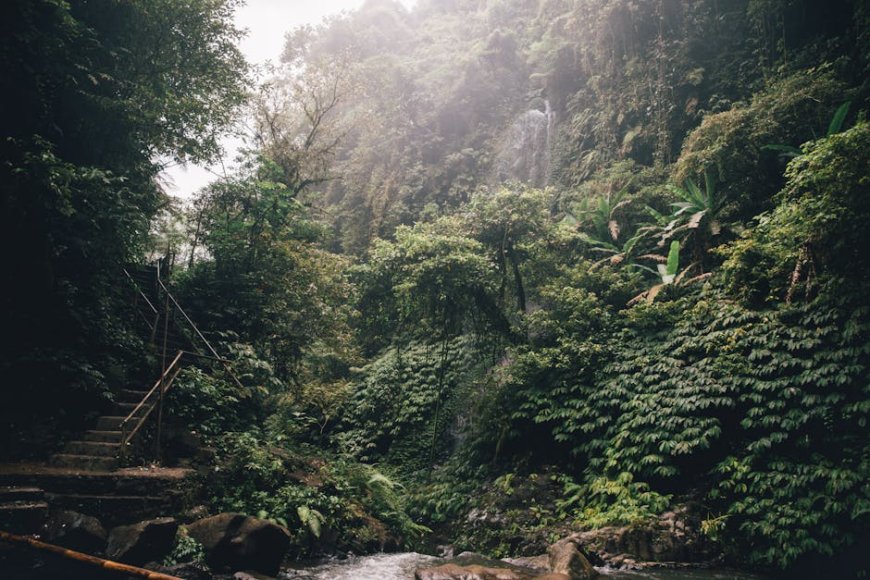
VOXBLICK.COM - Indonesia stands as one of the planet’s richest reservoirs of biodiversity. Spanning over 17,000 islands straddling the equator, this archipelago supports a dazzling array of life forms, making it a global epicenter for scientists and nature lovers alike. From the lush rainforests of Sumatra and Borneo to the vibrant coral reefs of Raja Ampat, Indonesia’s ecosystems are home to some of the world’s rarest and most extraordinary species.
The numbers alone are staggering: Indonesia harbors nearly 12% of the world’s mammals, 16% of its reptiles and amphibians, and more than 17% of its bird species.
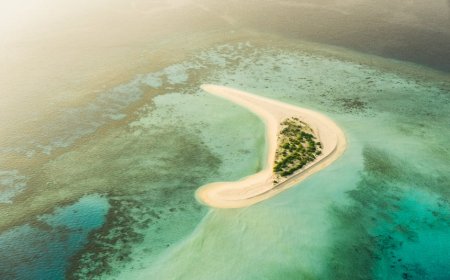
The nation’s forests shelter iconic animals like the critically endangered Sumatran orangutan, the elusive Javan rhinoceros, and the mysterious Komodo dragonthe planet’s largest living lizard. Underwater, Indonesia’s Coral Triangle contains more marine biodiversity than anywhere else, with over 3,000 species of fish and 600 species of coral.

Conservation Efforts: Battling Threats and Restoring Nature
Despite its natural wealth, Indonesia’s biodiversity faces serious threats. Deforestation, illegal wildlife trade, and habitat fragmentation have pushed many species to the brink of extinction.
However, inspiring conservation initiatives are making a tangible difference. National parks such as Gunung Leuser and Ujung Kulon serve as sanctuaries for endangered species, while community-led projects focus on restoring mangroves, replanting rainforests, and protecting coral reefs.
Non-governmental organizations and local communities collaborate on innovative approaches, including:
- Rehabilitation and release programs for orangutans and Sumatran tigers
- Patrolling critical habitats to prevent poaching
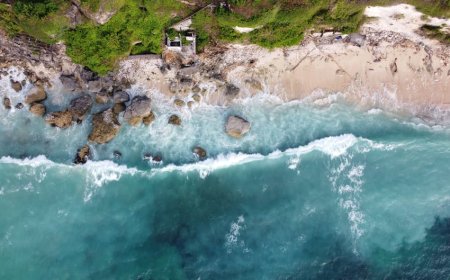
- Establishing marine protected areas to conserve coral reefs
- Community-based eco-tourism that empowers locals and funds conservation
Archaeological Discoveries: Unlocking the Secrets of Human Evolution
Indonesia is not only a natural wonder but also a treasure trove for archaeology.
The discovery of Homo floresiensisdubbed the “Hobbit”on Flores Island in 2003 astonished the scientific world, revealing a previously unknown human species who lived as recently as 50,000 years ago. Ancient cave art in Sulawesi, dating back at least 45,000 years, provides profound insights into the cognitive evolution of early humans.
Ongoing archaeological excavations continue to reshape our understanding of human migration and adaptation. These finds reinforce Indonesia’s role as a crossroads of natural and cultural history, inspiring scientists and historians worldwide.
Science and Sustainability: Embracing Renewable Energy
Indonesia’s commitment to sustainability extends beyond conservation. As the world’s fourth most populous country and a rapidly growing economy, Indonesia faces rising energy demands.
To address this, the nation is investing heavily in renewable energy sources such as geothermal, solar, and hydropower. Located on the “Ring of Fire,” Indonesia possesses immense geothermal potentialranking second only to the United States.
By harnessing clean energy and implementing sustainable land management, Indonesia aims to reduce carbon emissions and promote green growth.
International partnerships, scientific research, and local innovation are key to balancing economic development with ecological stewardship.
Inspiring Awe: A Model for Science and Sustainability
Indonesia’s extraordinary biodiversity, groundbreaking archaeological finds, and evolving commitment to renewable energy make it a beacon of inspiration for the world.
Its wild landscapes and ancient mysteries invite scientists, conservationists, and curious minds to explore, protect, and learn. Through ongoing research and collaborative action, Indonesia is forging a path toward a more sustainable and awe-inspiring future for generations to come.

What's Your Reaction?
 Like
0
Like
0
 Dislike
0
Dislike
0
 Love
0
Love
0
 Funny
0
Funny
0
 Angry
0
Angry
0
 Sad
0
Sad
0
 Wow
0
Wow
0