



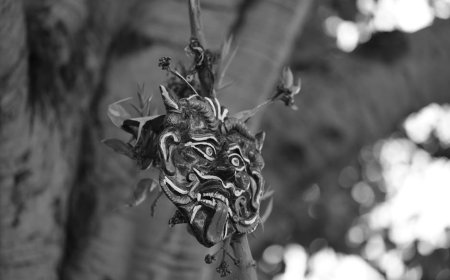









Indonesia’s Rich Biodiversity and the Science Behind Its Conservation
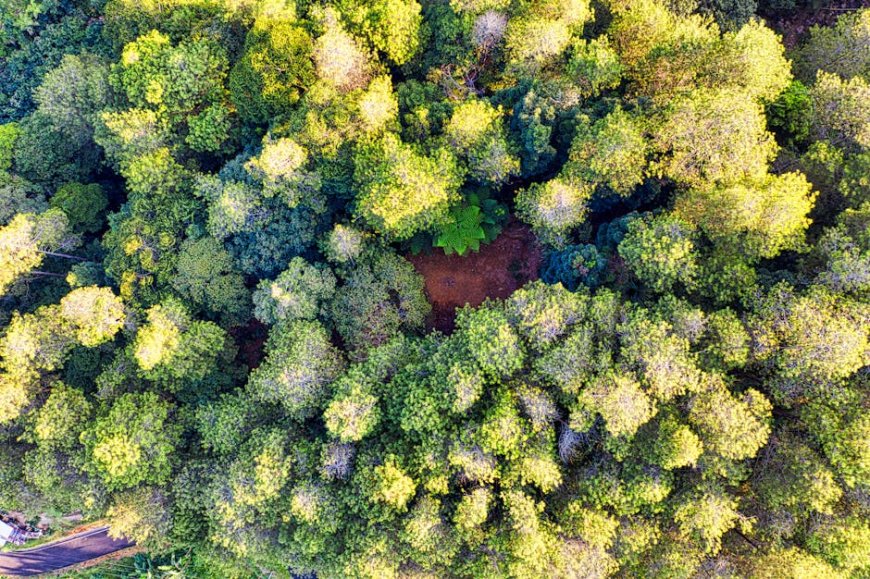
Indonesia: A Living Laboratory of Earth’s Biodiversity
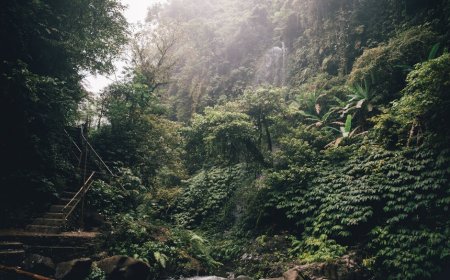
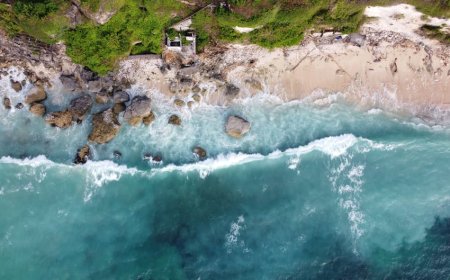
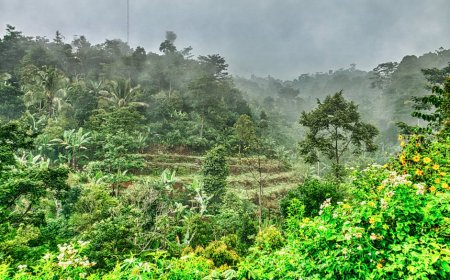
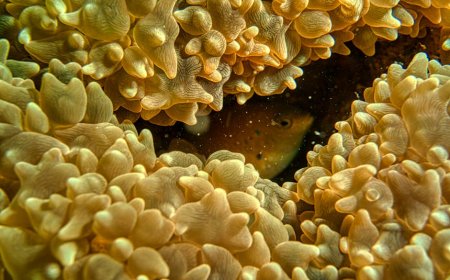
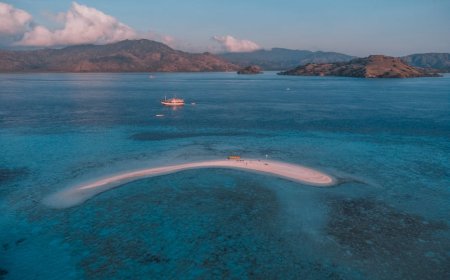
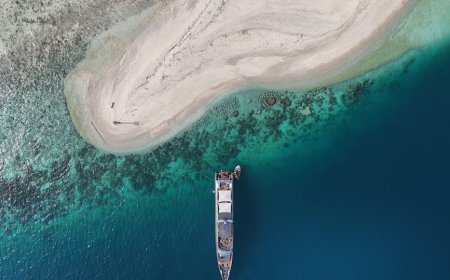
VOXBLICK.COM - Spanning over 17,000 islands, Indonesia is a natural marvel that boasts one of the world’s highest levels of biodiversity. This Southeast Asian archipelago straddles the equator, giving rise to lush rainforests, vibrant coral reefs, and diverse ecosystems that support an astonishing array of flora and fauna. Scientists estimate that Indonesia is home to more than 17% of the world’s wildlife species, making it a hotspot for biological research and conservation initiatives.
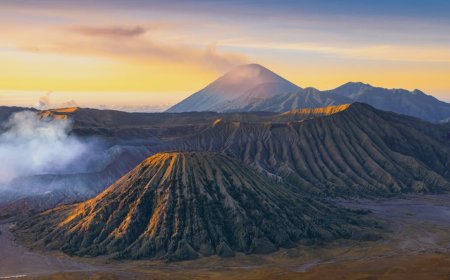
The country’s unique geographystretching from Sumatra and Java to Borneo, Sulawesi, and Papuacreates a tapestry of habitats.
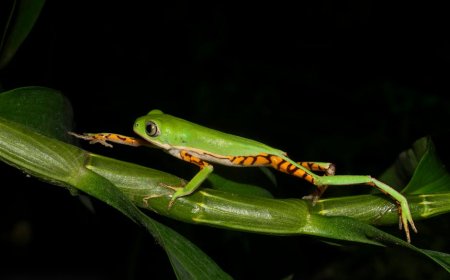
Towering volcanoes, dense mangroves, savannas, and cloud forests shelter over 1,700 species of birds, 500 species of mammals, and roughly 45,000 plant species. Iconic animals such as the orangutan, Sumatran tiger, Javan rhinoceros, and Komodo dragon are found nowhere else on Earth, underscoring Indonesia’s global significance in preserving evolutionary uniqueness.

The Scientific Imperative for Conservation
Indonesia’s extraordinary biodiversity, however, faces immense threats. Rapid deforestation, illegal wildlife trade, habitat fragmentation, and climate change put critical ecosystems and species at risk.
According to the World Wide Fund for Nature (WWF), Indonesia loses approximately 1.5 million hectares of forest each year, impacting endemic wildlife and increasing greenhouse gas emissions.
Science-driven conservation is at the heart of Indonesia’s response. Protected areas, such as the Gunung Leuser National Park and Lorentz National Park, safeguard vital habitats.
Conservation biologists employ satellite tracking, genetic analysis, and community-based monitoring to study wildlife populations, migration patterns, and ecosystem health. These data-driven approaches inform policies and prioritize areas for restoration and protection.
- Ecosystem Restoration: Projects like the Heart of Borneo initiative work across borders to restore forests and reconnect habitats critical for endangered species.
- Ex-situ Conservation: Breeding programs in zoos and research centers help maintain genetic diversity of critically endangered species, such as the Bali myna and Sumatran rhinoceros.
- Community Engagement: Local communities, equipped with indigenous knowledge, are empowered to manage forests sustainably and combat illegal logging and poaching.
Renewable Energy and Sustainable Solutions
Indonesia’s commitment to conservation extends beyond protecting wildlife.
As one of the world’s top emitters of greenhouse gases due to deforestation and peatland fires, the nation is investing in renewable energy to support ecological and human well-being. Geothermal power, in particular, is a natural fit: Indonesia sits atop the Pacific “Ring of Fire,” making it the world’s second-largest producer of geothermal energy. Hydropower, solar, and wind projects are also being developed to reduce reliance on fossil fuels and provide clean energy to remote communities.
Conservation scientists emphasize the interconnectedness of energy policy and biodiversity.
Transitioning to renewables not only curbs emissions but also reduces pressure on forests, rivers, and coastal areas, creating a win-win for people and the planet.
Archaeological Discoveries: Unveiling the Past
Beyond its living biodiversity, Indonesia is a treasure trove of archaeological wonders that shed light on human evolution and ancient cultures.
The discovery of Homo floresiensisthe “hobbit” hominidin Flores Island’s Liang Bua Cave in 2003 captivated the scientific world. Ancient cave art in Sulawesi, dated to over 45,000 years ago, provides some of the earliest evidence of symbolic behavior in our species.
Ongoing archaeological research uncovers how ancient peoples adapted to and shaped Indonesia’s complex environments.
These insights inform modern conservation, highlighting a long history of human-nature coexistence and the importance of preserving both biological and cultural diversity.
Indonesia’s Future: Science, Stewardship, and Global Inspiration
Indonesia’s rich biodiversity is both a global heritage and a living laboratory for science. As researchers unravel the secrets of its rainforests, reefs, and archaeological sites, the urgency of conservation becomes ever clearer.
Through innovative science, renewable energy, and respect for indigenous wisdom, Indonesia stands as a beacon of hope for a sustainable futurewhere humanity and nature thrive together in harmony.

What's Your Reaction?
 Like
0
Like
0
 Dislike
0
Dislike
0
 Love
0
Love
0
 Funny
0
Funny
0
 Angry
0
Angry
0
 Sad
0
Sad
0
 Wow
0
Wow
0