


















Indonesia’s Biodiversity and Conservation Inspire Global Scientific Awe

Indonesia: A Living Laboratory of Global Biodiversity
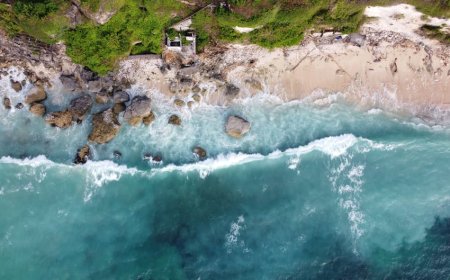
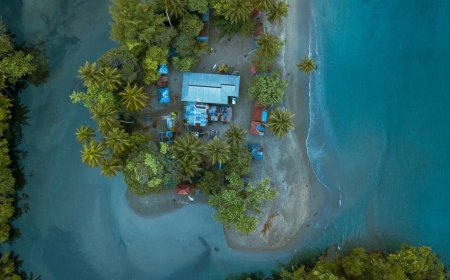
VOXBLICK.COM - Indonesia, an archipelago of over 17,000 islands, stands as one of the world’s most biologically diverse nations. Nestled between the Asian and Australian continental plates, its geography has fostered the evolution of countless unique species, many found nowhere else on Earth. From the dense rainforests of Borneo and Sumatra to the coral-rich waters of Raja Ampat, Indonesia’s natural treasures have captivated scientists and conservationists for decades.
The numbers are staggering: Indonesia is home to roughly 17% of the world’s bird species, 12% of mammal species, and 10% of flowering plants.
The islands of Sulawesi, Java, and Papua alone shelter thousands of endemic speciescreatures whose survival depends entirely on the preservation of these unique habitats. Scientists regularly discover new insects, amphibians, and even mammals, underlining Indonesia’s status as a global biodiversity hotspot.

Flora and Fauna: Icons of Indonesia’s Ecosystems
The forests of Indonesia are a sanctuary to some of the planet’s most remarkable animals, including the critically endangered Sumatran orangutan, the elusive Javan rhinoceros, and the legendary Komodo dragon.
These creatures have evolved extraordinary adaptations in response to Indonesia’s varied terrain. For instance, the Komodo dragon, found only on a handful of islands, is the world’s largest living lizard and a true marvel of evolutionary biology.
Indonesia’s plant life is equally impressive. The titan arum (Amorphophallus titanum), known as the “corpse flower,” produces one of the world’s largest and smelliest blooms.
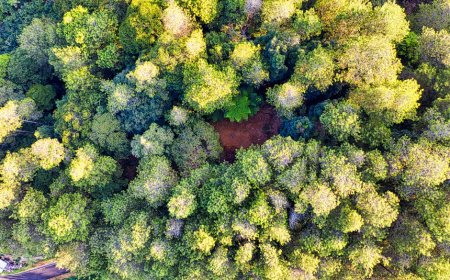
Meanwhile, the archipelago’s rainforests cradle rare hardwoods, medicinal plants, and hundreds of orchid species, many of which remain scientifically undocumented.
Pioneering Conservation Efforts
With such remarkable biodiversity comes immense responsibility. Indonesia faces formidable challenges from deforestation, illegal wildlife trade, and habitat fragmentation.
Yet, its conservation efforts are increasingly innovative and globally significant. The government has committed to restoring millions of hectares of degraded land and established dozens of national parks and marine protected areas.
- Orangutan Rehabilitation: Sanctuaries like the Borneo Orangutan Survival Foundation lead in rescuing and reintroducing orangutans to the wild.
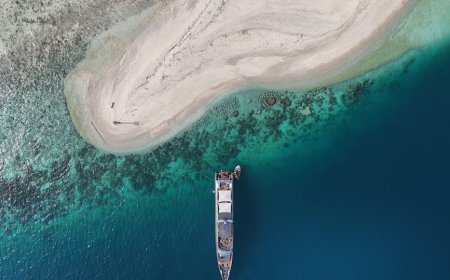
- Marine Conservation: Raja Ampat is now a model for sustainable eco-tourism and coral reef protection, vital for marine biodiversity.
- Forest Protection: Initiatives to halt palm oil-driven deforestation are showing promise, with reforestation projects engaging local communities and indigenous peoples.
Groundbreaking Scientific Discoveries
Indonesia’s natural wonders extend beyond living organisms. Its rainforests and caves have yielded astonishing archaeological finds, such as the discovery of Homo floresiensisthe “Hobbit” hominin specieson Flores Island.
Ancient cave art, some of the oldest on Earth, has also been found in Sulawesi, rewriting the story of early human creativity and migration.
Recent expeditions continue to uncover new species and unravel evolutionary mysteries.
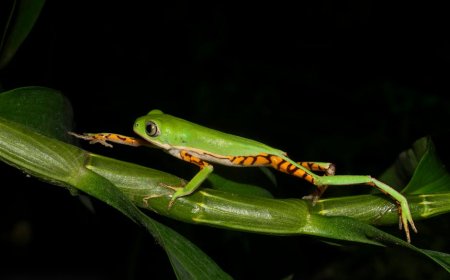
In the past decade alone, researchers have identified dozens of previously unknown frogs, birds, and plants, reinforcing Indonesia’s role as a frontier for scientific exploration.
Indonesia’s Renewable Energy and Conservation Synergy
Indonesia is also pioneering efforts to harmonize biodiversity conservation with renewable energy development.
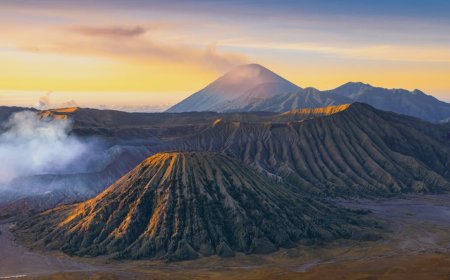
Geothermal energy, abundant due to the country’s volcanic activity, is being harnessed to reduce reliance on fossil fuels while minimizing environmental impact. Solar and wind projects are expanding rapidly, offering hope that economic growth can be balanced with ecological stewardship.
This commitment to sustainability is inspiring other nations to follow suit.
By integrating conservation with clean energy, Indonesia demonstrates that protecting biodiversity and pursuing modern development are not mutually exclusive, but mutually reinforcing.
A Beacon of Hope for Global Conservation
Indonesia’s biodiversity and conservation efforts inspire global scientific awe and admiration.
As a living laboratory, Indonesia not only preserves irreplaceable species and ecosystems, but also pioneers models for sustainable development, renewable energy, and community-led conservation. Its achievements remind the world of both the fragility and resilience of nature, and the power of human ingenuity to protect our shared planet for generations to come.

What's Your Reaction?
 Like
0
Like
0
 Dislike
0
Dislike
0
 Love
0
Love
0
 Funny
0
Funny
0
 Angry
0
Angry
0
 Sad
0
Sad
0
 Wow
0
Wow
0