



















Indonesia’s Biodiversity and Resilience After the Aceh Tsunami
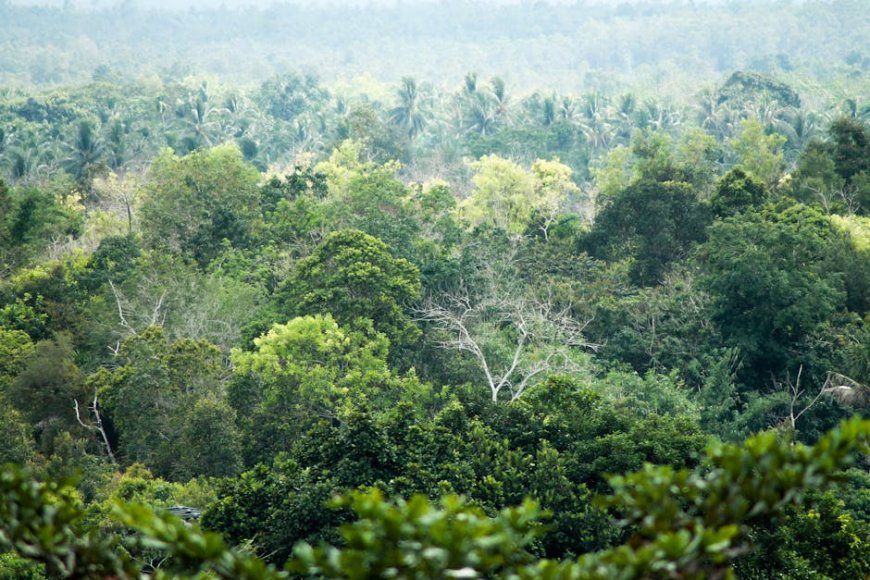
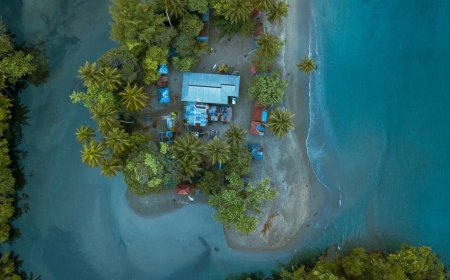
VOXBLICK.COM - Indonesia, a sprawling archipelago of over 17,000 islands, is celebrated worldwide for its unparalleled biodiversity and vibrant ecosystems. From lush lowland rainforests to teeming coral reefs, the nation is a living laboratory where unique flora and fauna thrive. Yet, Indonesia’s natural wonders are not only a testament to evolutionary marvelsthey also highlight the remarkable resilience of both nature and communities, especially in the wake of catastrophic events like the 2004 Aceh tsunami.
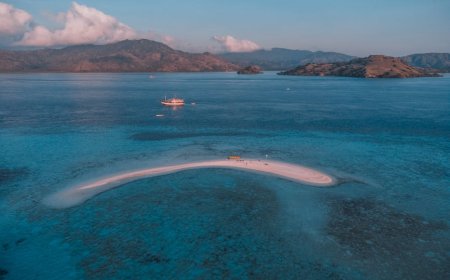
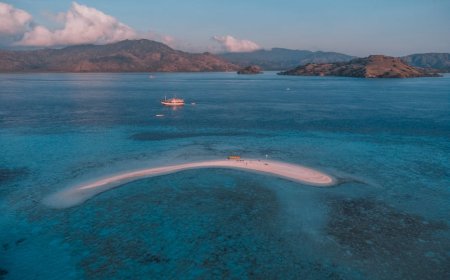
The Indonesian archipelago sits at the crossroads of the Indian and Pacific Oceans and within the fabled Coral Triangle, earning it the distinction of being one of the world’s most biodiverse regions.
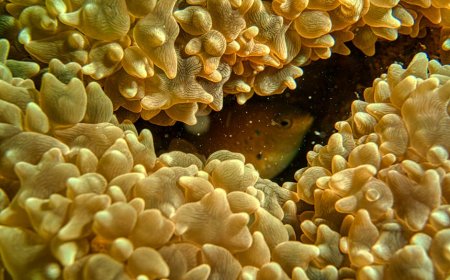
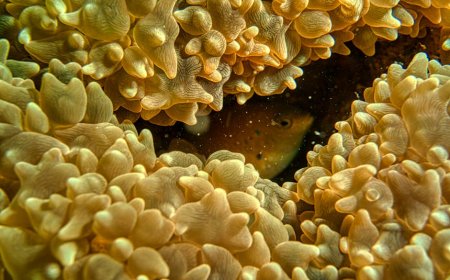
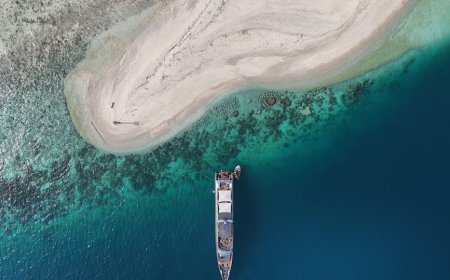
Scientists estimate that Indonesia is home to nearly 17% of all known wildlife species, including iconic creatures such as the Sumatran tiger, orangutans, Komodo dragons, and thousands of endemic plants. Sumatra and Borneo’s rainforests, for example, host one of the planet’s richest arrays of tree species, while the country’s marine habitats support over 3,000 species of fish and 600 species of coral.

Yet, Indonesia’s biodiversity faces immense challenges. Deforestation for agriculture and palm oil plantations, illegal wildlife trade, and climate change are ongoing threats. Despite these pressures, conservation initiatives are making headway.
National parks such as Gunung Leuser and Ujung Kulon protect critical habitats, while community-based projects work to restore mangroves, reforest degraded lands, and promote sustainable livelihoods. International collaborations have furthered the protection of endangered species, with innovative programs such as the Orangutan Reintroduction Project and intensive patrols against poaching.
The Impact of the 2004 Aceh Tsunami
The 2004 Indian Ocean tsunami was a watershed moment for Aceh, on the northern tip of Sumatra.
Triggered by a massive undersea earthquake, the waves devastated coastal communities and ecosystems, claiming over 160,000 Indonesian lives and leaving scars on both people and the environment. Mangrove forests, coral reefs, and coastal wetlandsvital natural barrierswere swept away or severely damaged.
However, the tsunami also sparked a renewed appreciation for Indonesia’s natural defenses.
Researchers found that areas shielded by intact mangrove belts suffered less destruction, highlighting the critical role of healthy ecosystems in disaster resilience. Subsequently, nationwide efforts were launched to restore mangroves, vital for stabilizing coastlines, sequestering carbon, and providing nurseries for marine life. Community groups, NGOs, and the government collaborated to replant millions of mangrove seedlings along Aceh’s shores.
Nature’s Recovery and Scientific Discovery
The years following the tsunami witnessed inspiring stories of ecological recovery and scientific discovery. Aceh’s devastated coral reefs began to regenerate, with resilient species recolonizing the wrecked seascape.
Scientists observed how certain fish populations rebounded after fishing was interrupted by the disaster, offering rare insights into the power of natural recovery when human pressures are momentarily paused.
Research teams also documented the return of migratory birds, the regrowth of rare coastal plants, and the reappearance of turtle nesting sites.
These signs of renewal inspired a new generation of conservationists, determined to safeguard Aceh’s natural heritage while preparing for future challenges.
Conservation and Innovation: The Path Forward
Indonesia’s post-tsunami journey underscores the importance of integrating traditional wisdom, scientific research, and innovative conservation strategies.
Today, the country is a leader in community-based conservation, with local people acting as stewards of forests, peatlands, and reefs. Technology-driven approachessuch as satellite monitoring, drone-assisted forest surveys, and citizen sciencehelp track biodiversity and detect illegal activities.
- Renewable Energy: Indonesia is investing in geothermal, solar, and hydropower to reduce dependence on fossil fuels and protect fragile ecosystems.
- Ecotourism: Sustainable tourism initiatives provide economic incentives for conservation, turning biodiversity hotspots into sources of pride and prosperity.
- Education: Environmental education is empowering youth to become champions for their unique natural heritage.
Indonesia’s biodiversity and resilience after the Aceh tsunami reveal the profound connections between nature and people.
As the nation continues to heal and innovate, its forests, reefs, and communities stand as beacons of hopereminding the world that, even in the face of disaster, recovery and renewal are possible through science, stewardship, and a deep respect for the living world.

What's Your Reaction?
 Like
0
Like
0
 Dislike
0
Dislike
0
 Love
0
Love
0
 Funny
0
Funny
0
 Angry
0
Angry
0
 Sad
0
Sad
0
 Wow
0
Wow
0