















Indonesia’s Natural Resilience and Biodiversity After Sumatra’s Disaster
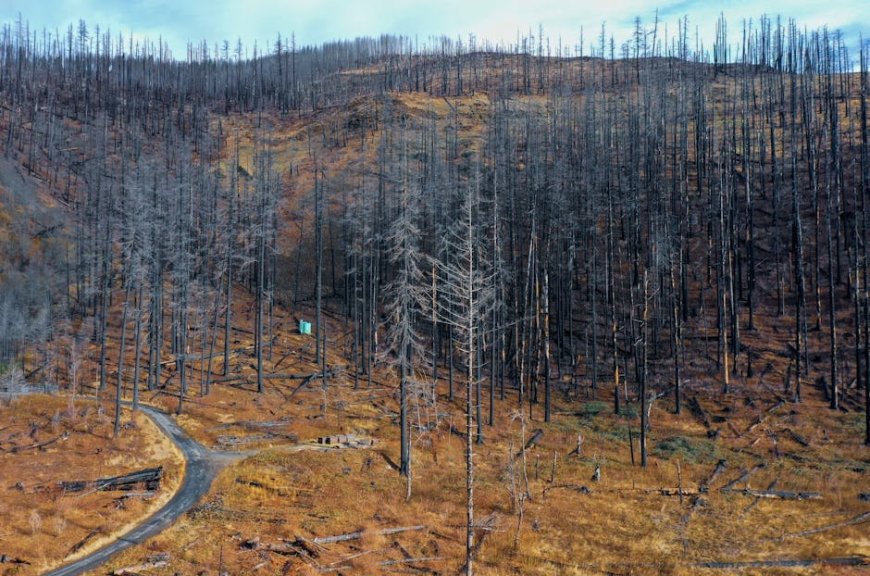
VOXBLICK.COM - Indonesia, an archipelago of more than 17,000 islands, stands as one of the world’s most biodiverse nations. Its rainforests, volcanic landscapes, and vast marine habitats teem with life, making it a living laboratory for scientists. Yet, Indonesia’s natural wonders are often tested by powerful natural disasters, notably those striking Sumatra. Despite these challenges, the nation’s ecosystems and communities demonstrate extraordinary resilience, blending scientific innovation with ancient wisdom to recover and thrive.
Sumatra, Indonesia’s largest western island, has frequently experienced some of the world’s most significant natural disasters, including the devastating 2004 Indian Ocean tsunami and recurring volcanic eruptions.
These events have reshaped the island’s landscapes and tested the resilience of its flora, fauna, and people. However, out of the ashes and debris, nature’s ability to heal and Indonesia’s commitment to conservation shine through, offering a beacon of hope for global biodiversity.

The Epicenter of Biodiversity
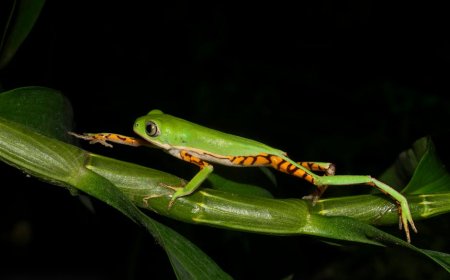
Sumatra is a sanctuary for some of the world’s rarest and most endangered species. The Sumatran tiger, Sumatran rhinoceros, and orangutan call its forests home, alongside over 10,000 plant species, many found nowhere else on Earth.
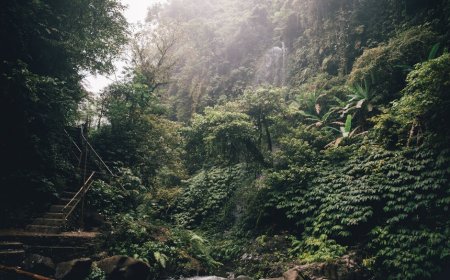
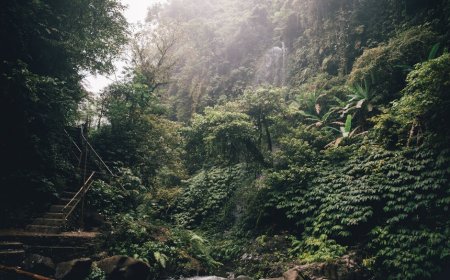
The island’s rainforests, part of the Sundaland Biodiversity Hotspot, are a mosaic of ancient trees, orchids, and medicinal plants, interwoven with rivers that sustain both wildlife and local communities.
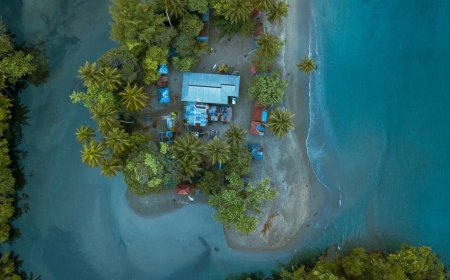
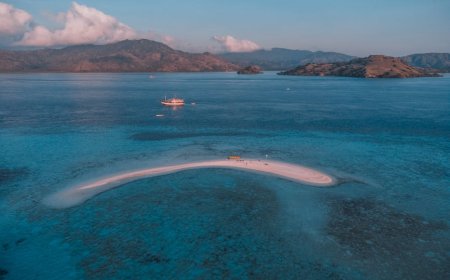
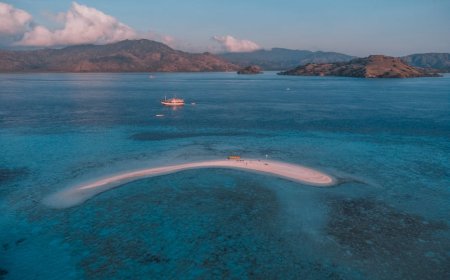
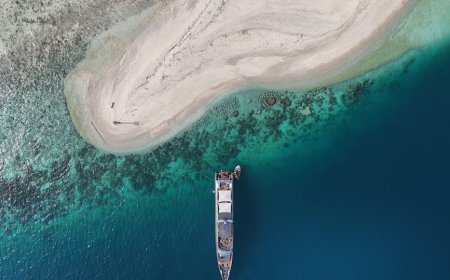
Indonesia’s marine biodiversity is equally staggering. Its coral reefspart of the Coral Triangleharbor more than 500 species of reef-building corals and 2,000 species of fish.
After disaster events, scientists have observed the remarkable capacity of these ecosystems to regenerate, driven by resilient coral species and natural recovery processes supported by careful conservation management.
Nature’s Response and Human Innovation
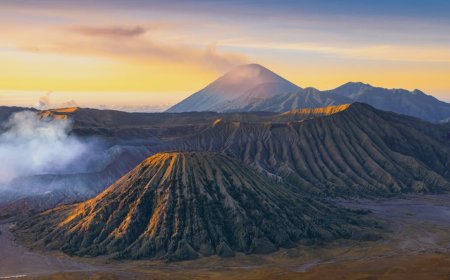
Natural disasters in Sumatra, though devastating, often trigger a cascade of ecological renewal. Volcanic eruptions, for example, deposit nutrient-rich ash that rejuvenates soils, encouraging new plant growth.
In the wake of the 2004 tsunami, mangroves and coastal forests played a critical role in stabilizing shorelines and providing habitat for returning wildlife. These natural defenses have inspired scientists and local communities to champion ecosystem-based disaster risk reduction strategies.
Indonesia’s response also includes cutting-edge scientific research and technology. Satellite mapping and drone surveys monitor forest recovery and support anti-deforestation efforts.
Local and international conservation groups collaborate to restore habitats, replant native species, and safeguard endangered wildlife. Programs such as the Leuser Ecosystem conservation project integrate local wisdom with modern science, empowering indigenous communities as stewards of their environment.
Pioneering Conservation and Renewable Energy
To protect its biodiversity, Indonesia has established vast national parks and UNESCO World Heritage Sites across Sumatra, such as Gunung Leuser National Park.
These protected areas are vital for species survival and serve as living laboratories for ecological research and education.
- Reforestation Initiatives: Community-led efforts are restoring degraded lands with native tree species, improving carbon sequestration and habitat connectivity.
- Wildlife Corridors: Conservationists are creating corridors to allow safe passage for tigers, elephants, and rhinos between fragmented forests.
- Marine Reserves: The establishment of marine protected areas is bolstering the recovery of coral reefs and supporting sustainable fisheries.
- Renewable Energy Expansion: Leveraging geothermal and hydropower sources, Indonesia is reducing its environmental footprint while powering recovery and development.
These initiatives are not only healing damaged ecosystems but also providing sustainable livelihoods and climate resilience for local communities, showcasing Indonesia’s role as a global leader in biodiversity conservation and green innovation.
Inspiring Awe: Lessons for the World
Indonesia’s journey of recovery after Sumatra’s disasters is a testament to nature’s inherent resilience and humanity’s capacity for innovation.
By harnessing the power of biodiversity, indigenous knowledge, and modern science, Indonesia continues to inspire awe and offer valuable lessons for nations facing environmental challenges. As the world confronts increasing climate risks, Indonesia’s story reminds us that nurturing nature is not merely an act of restoration, but a profound investment in the planet’s future.

What's Your Reaction?
 Like
0
Like
0
 Dislike
0
Dislike
0
 Love
0
Love
0
 Funny
0
Funny
0
 Angry
0
Angry
0
 Sad
0
Sad
0
 Wow
0
Wow
0