


















Indonesia’s Coastal Fishing Villages Boost Jobs and Conservation
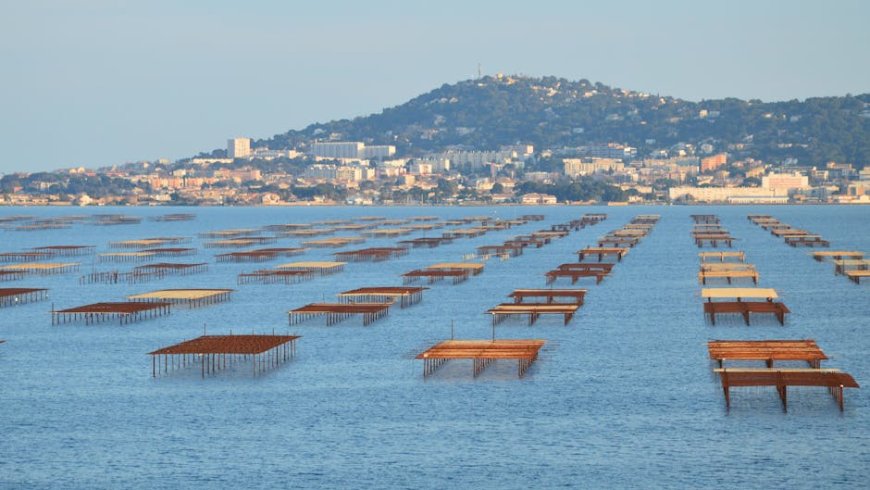
Indonesia’s Coastal Fishing Villages: Engines of Jobs and Conservation
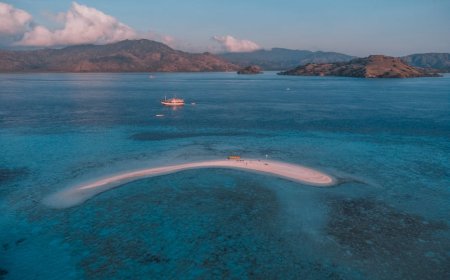
VOXBLICK.COM - Indonesia, the world’s largest archipelago, stretches across more than 17,000 islands and harbors some of the planet’s richest marine biodiversity. Along its 95,000 kilometers of coastline, millions of people rely on the ocean for their livelihoods. Today, a wave of innovation is transforming Indonesia’s coastal fishing villages, where sustainable practices are not only reviving marine ecosystems but also creating thousands of new jobs in harmony with nature.
The heart of this transformation lies in Indonesia’s pioneering fishing villages programan initiative that combines traditional knowledge, scientific research, and community-based conservation.
By empowering local communities to manage their own marine resources, Indonesia is demonstrating how economic growth and environmental stewardship can go hand in hand. This approach is crucial for a nation whose reefs, mangroves, and seagrass beds are vital both to global biodiversity and to the well-being of coastal populations.

Revitalizing Coastal Communities Through Sustainable Fishing
For generations, Indonesian fishers have depended on the bounty of the sea. However, overfishing, habitat destruction, and climate change have threatened both marine life and traditional livelihoods.
In response, the government, NGOs, and local leaders have launched programs that promote sustainable fishing techniques, enforce seasonal closures, and establish marine protected areas (MPAs).
These efforts are already bearing fruit. In villages from Aceh to Papua, fish stocks are rebounding, and coral reefs are showing signs of recovery.
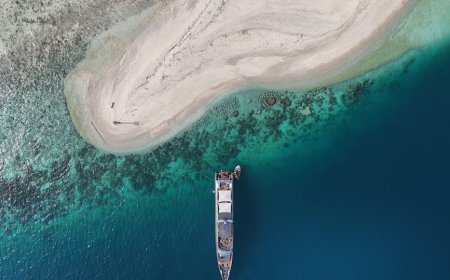
The adoption of gear restrictionssuch as banning destructive trawling and encouraging handline fishinghas helped reduce bycatch and protect juvenile fish. Meanwhile, MPAs give vital breeding grounds for endangered species like the hawksbill turtle and Napoleon wrasse a chance to recover.
Creating New Jobs and Supporting Community Growth
Crucially, Indonesia’s coastal fishing villages program goes beyond conservation. By linking sustainable resource management with job creation, these communities are experiencing a new era of prosperity. Key initiatives include:
- Eco-tourism: Many villages now offer guided snorkeling, mangrove tours, and cultural experiences, attracting both domestic and international visitors and generating alternative income streams.
- Seaweed Farming: The cultivation of seaweed, used in food and cosmetics, provides thousands of jobsespecially for womenwhile also improving water quality and sequestering carbon.
- Community Aquaculture: Sustainable fish and shellfish farms reduce pressure on wild stocks and increase local food security.
- Processing and Exports: Small-scale fish processing facilities allow villages to add value to their catch and access global markets, often with eco-certification labels.
According to recent government reports, these programs have created more than 100,000 new jobs in the past five years.
Importantly, women and young people are taking on leading roles in both conservation and enterprise, ensuring that benefits are widely shared.
Safeguarding Indonesia’s Marine Biodiversity
Indonesia’s coastal waters are a global hotspot for marine biodiversity, home to over 3,000 fish species, six of the world’s seven sea turtle species, and nearly 600 species of coral.
Preserving this natural heritage is not only an environmental imperative but also a foundation for Indonesia’s food security and cultural identity.
Community-based monitoring and citizen science projects are empowering villagers to collect data on reef health, fish populations, and illegal activities.
Partnerships with universities and conservation organizations bring cutting-edge science to local decision-making. As a result, Indonesia is emerging as a model for other tropical nations seeking to balance people and planet.
Inspiring Global Solutions From Local Innovation
Indonesia’s experience shows that conservation and job creation are not mutually exclusive.
By investing in education, local leadership, and sustainable industries, the nation’s coastal fishing villages are charting a new courseone where ocean health and human prosperity rise together. As climate change and overfishing threaten marine ecosystems worldwide, the lessons from Indonesia’s shores offer hope and inspiration for a more resilient and biodiverse future.

What's Your Reaction?
 Like
0
Like
0
 Dislike
0
Dislike
0
 Love
0
Love
0
 Funny
0
Funny
0
 Angry
0
Angry
0
 Sad
0
Sad
0
 Wow
0
Wow
0