















Indonesia’s Science Wonders: Biodiversity, Conservation, and Renewable Energy
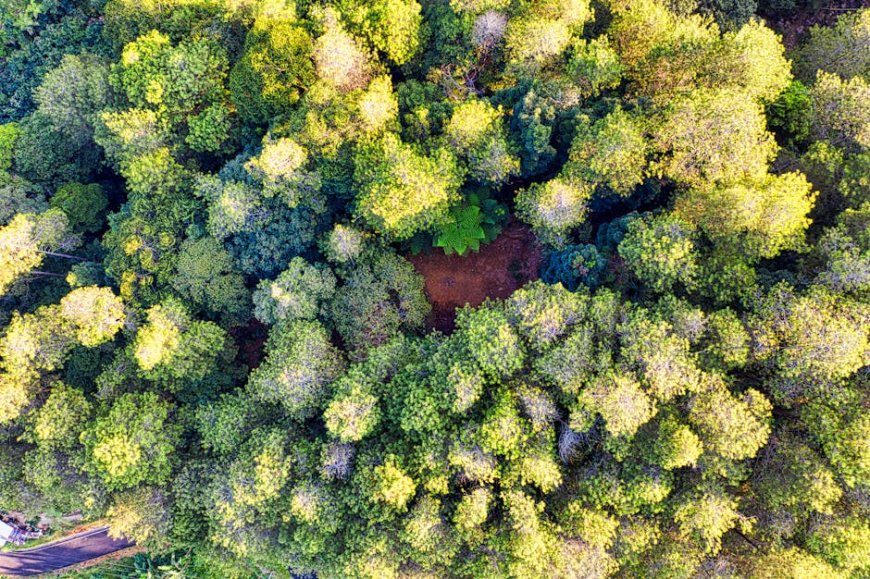
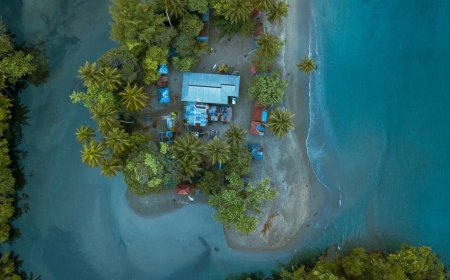
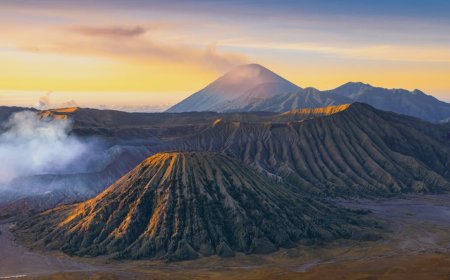
VOXBLICK.COM - Indonesia stands as a living testament to the wonders of science and nature. Stretching across more than 17,000 islands, this Southeast Asian archipelago is one of the planet’s most biodiverse realms. Indonesia’s awe-inspiring rainforests, vibrant coral reefs, and ancient volcanic landscapes have fascinated scientists, conservationists, and explorers for centuries. Today, the nation’s scientific marvels are not just confined to its staggering biodiversity, but also shine through in its conservation breakthroughs, renewable energy ambitions, and world-renowned archaeological discoveries.
Biodiversity: The Emerald Crown of the Tropics
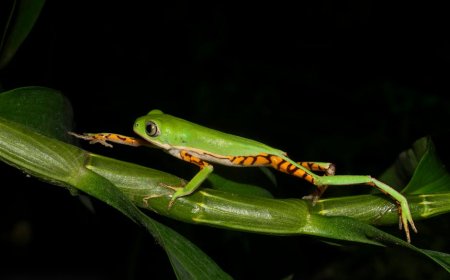
Indonesia is home to the world’s third-largest expanse of tropical rainforest, sheltering an estimated 12% of all known animal species and 10% of the planet’s flowering plants.
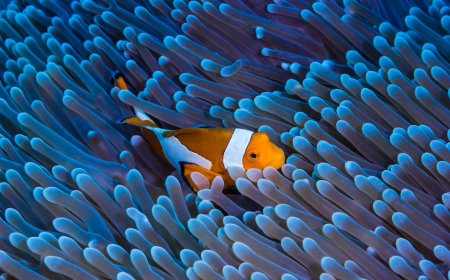
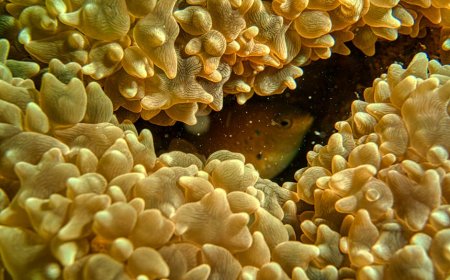
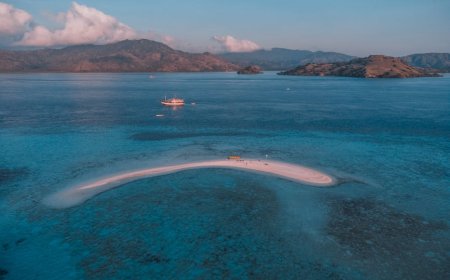
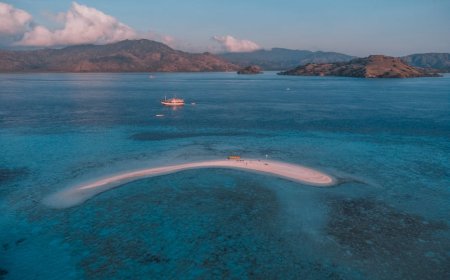
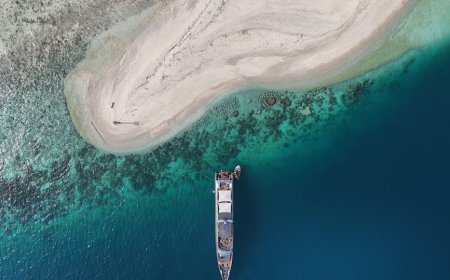
The islands of Sumatra, Borneo (Kalimantan), Sulawesi, and Papua are ecological treasure troves. Endemic species like the Sumatran orangutan, Javan rhinoceros, Komodo dragon, and the elusive anoa (dwarf buffalo) draw attention from scientists worldwide. The region’s coral reefsespecially in the Coral Trianglehost over 600 species of reef-building corals and nearly 2,000 species of reef fish, making Indonesia pivotal to global marine biodiversity.
Yet, biodiversity here is not just about abundance it’s about uniqueness.
The Wallace Line, an invisible boundary drawn by naturalist Alfred Russel Wallace, divides Asian and Australasian flora and fauna, making Indonesia a living laboratory of evolution and biogeography.
Conservation Efforts: Guardians of a Fragile Paradise
The richness of Indonesia’s ecosystems faces immense threats from deforestation, illegal wildlife trade, and climate change. However, conservation science is at the heart of Indonesia’s response.
Protected areas now cover more than 23 million hectares, including iconic national parks such as Gunung Leuser, Komodo, and Lorentz (a UNESCO World Heritage Site).
- Sumatran Rhino Sanctuary: Scientists are pioneering assisted reproductive technologies to save the critically endangered Sumatran rhino.
- Coral Restoration Initiatives: Community-led programs in Bali and Sulawesi are rebuilding damaged reefs using coral nurseries and artificial reef structures.
- Forest Moratorium: National policy bans new permits for primary forest and peatland clearing, safeguarding crucial carbon sinks and wildlife habitats.
Grassroots movements, indigenous knowledge, and international collaborations are empowering communities to restore mangroves, monitor endangered species, and combat poaching.
These efforts position Indonesia as a global leader in biodiversity conservation.
Renewable Energy Innovations: Tapping Nature’s Power
With its volcanic backbone and equatorial sun, Indonesia is uniquely poised for a renewable energy revolution.
The nation has set ambitious goals to derive 23% of its total energy from renewables by 2025. Geothermal energy is a standout: Indonesia holds the world’s second-largest geothermal potential and has developed over 2,000 megawatts of geothermal capacity.
Solar and wind projects are on the rise, particularly in remote islands where off-grid solutions are vital. Hydropower and bioenergyincluding sustainable palm oil initiativesadd to the diverse energy mix.
These innovations not only reduce greenhouse gas emissions but also bring electricity to millions, fueling sustainable development.
Archaeological Wonders: Clues to Ancient Civilizations
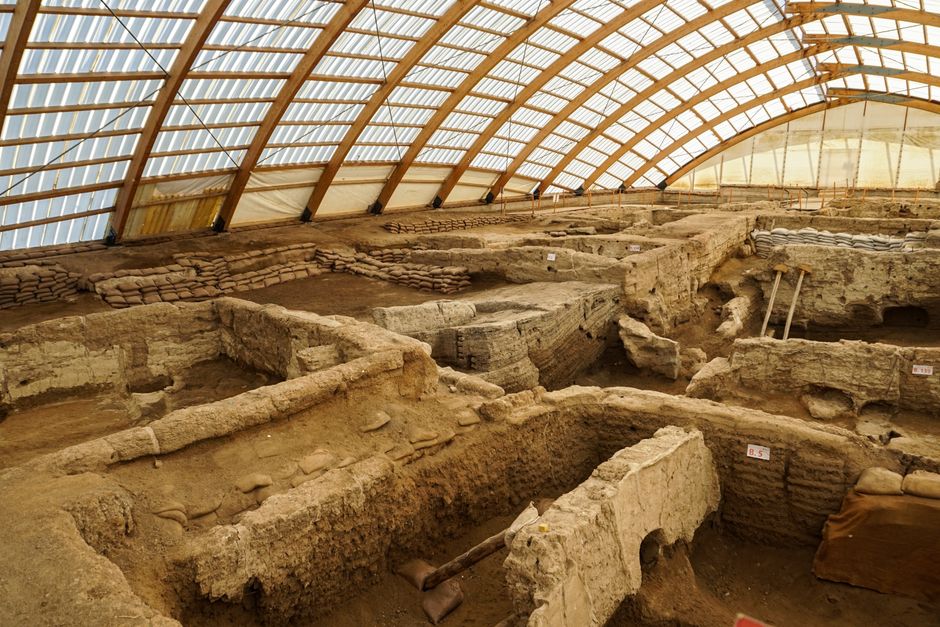
Indonesia’s scientific wonders extend deep into human history. On the island of Flores, the discovery of Homo floresiensis (“the Hobbit”) in Liang Bua cave reshaped our understanding of human evolution.
In Sulawesi, 44,000-year-old cave paintingsdepicting hunting scenes and mystical creaturesare among the oldest known figurative artworks on Earth.
Archaeological finds such as Java Man (Homo erectus), ancient megaliths in Sumba, and the submerged ruins off the coast of Java continue to intrigue scientists, offering glimpses into the rich tapestry of Indonesia’s prehistoric past.
Inspiring Awe: Indonesia’s Role in Earth’s Future
Indonesia’s scientific wonders are not only marvels of the present but also vital keys to our planet’s future.
By preserving its biodiversity, advancing conservation science, embracing renewable energy, and unlocking the secrets of its deep past, Indonesia sets a shining example for the world. Its story is a powerful reminder of nature’s resilience, the promise of sustainable innovation, and the enduring spirit of discovery.

What's Your Reaction?
 Like
0
Like
0
 Dislike
0
Dislike
0
 Love
0
Love
0
 Funny
0
Funny
0
 Angry
0
Angry
0
 Sad
0
Sad
0
 Wow
0
Wow
0