




















Indonesia and India Boost Elephant Conservation in Sumatra
Indonesia and India Boost Elephant Conservation in Sumatra
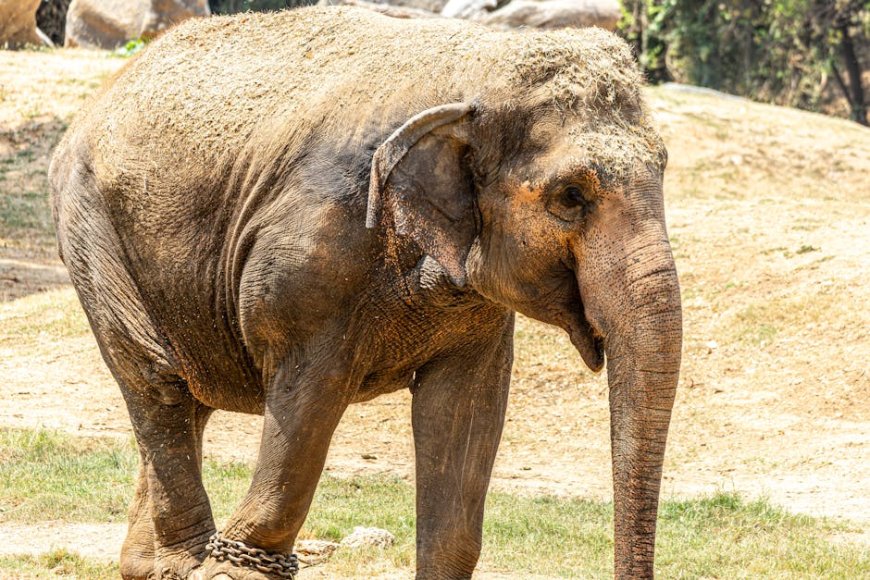
VOXBLICK.COM - Indonesia, renowned for its lush rainforests and rich biodiversity, is home to the critically endangered Sumatran elephant (Elephas maximus sumatranus). These gentle giants, native only to the Indonesian island of Sumatra, are facing unprecedented threats from habitat loss, human-wildlife conflict, and poaching. In a significant move for Asian wildlife conservation, Indonesia and India have joined forces to revitalize elephant hospitals in Sumatra, underscoring a shared commitment to the survival of this iconic species.
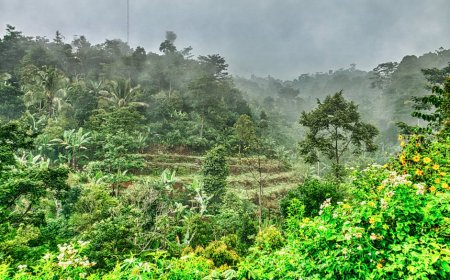
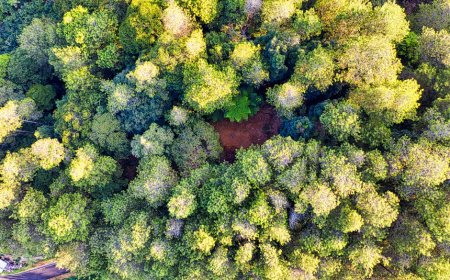
Sumatra’s lowland forests have long been a sanctuary for elephants, but rapid land conversion for agriculture and infrastructure has drastically reduced their habitat.
The population of Sumatran elephants is estimated to have declined by more than 80% in the past three generations, with fewer than 2,400 individuals remaining in the wild. Recognizing the urgency, Indonesian conservationists have sought international partnerships, and Indiaa country with deep expertise in elephant care and coexistencehas stepped in as a vital ally.

Pioneering Elephant Hospitals: A Lifeline for Conservation
The centerpiece of this transnational collaboration is the revitalization of elephant hospitals in Sumatra’s key conservation areas.
These facilities, located in Lampung, Aceh, and Riau provinces, provide critical medical care for injured, ill, or orphaned elephants. Indian veterinarians and conservation experts are sharing advanced techniques in elephant medicine, wound management, and stress reduction, drawn from decades of managing wild and captive elephants across the Indian subcontinent.
In addition to treating physical injuriesoften caused by snares, traps, or human-elephant conflictthese hospitals focus on long-term rehabilitation and welfare.
The exchange of knowledge between Indonesian and Indian teams is fostering innovative approaches to elephant care, including the use of herbal medicine, enrichment activities, and non-invasive health monitoring. This holistic care is essential not only for individual elephants but also for the genetic health of the population.
A Model of International Conservation Partnership
The collaboration between Indonesia and India stands as an inspiring model of how countries can unite to address biodiversity crises.
India brings a wealth of experience: it is home to the largest population of Asian elephants and has pioneered strategies for human-elephant coexistence, mobile veterinary units, and anti-poaching patrols. Indonesian conservation agencies, meanwhile, contribute deep local knowledge and a network of rangers, veterinarians, and community partners.
- Capacity Building: Joint training programs are empowering Indonesian veterinarians and forest rangers with new skills in elephant care and rapid response to emergencies.
- Technology Transfer: India’s expertise in telemetry and elephant tracking is enhancing monitoring of Sumatra’s herds, allowing for better understanding of migration patterns and threats.
- Community Engagement: Both countries are working to involve local communities in conservation efforts, fostering coexistence and reducing conflict through education and alternative livelihoods.
Securing a Future for Sumatran Elephants
The revitalization of elephant hospitals is just one piece of the broader conservation puzzle.
The partnership is also driving habitat restoration, anti-poaching efforts, and the establishment of protected corridors, ensuring elephants have safe passage through fragmented landscapes. These initiatives are critical for maintaining the genetic diversity and ecological resilience of Sumatran elephants, whose survival is intertwined with the health of the island’s rainforests.
Globally, the story of Indonesia and India’s collaboration is a beacon of hope. It demonstrates that the challenges facing endangered species can be met with determination, shared knowledge, and cross-border solidarity.
As these two biodiversity-rich nations work hand-in-hand, they are not only saving Sumatra’s elephants but also setting a new standard for international wildlife conservationone that recognizes our collective responsibility to protect the planet’s most extraordinary creatures.

What's Your Reaction?
 Like
0
Like
0
 Dislike
0
Dislike
0
 Love
0
Love
0
 Funny
0
Funny
0
 Angry
0
Angry
0
 Sad
0
Sad
0
 Wow
0
Wow
0