







Revitalizing Indonesia’s Schools to Inspire Future Conservation Leaders
Indonesia: A Tapestry of Biodiversity and Urgency for Conservation
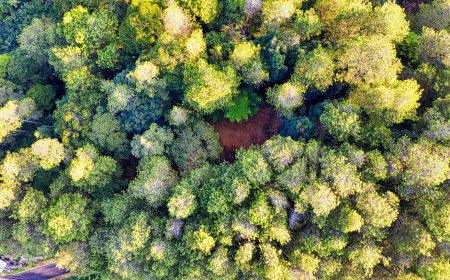
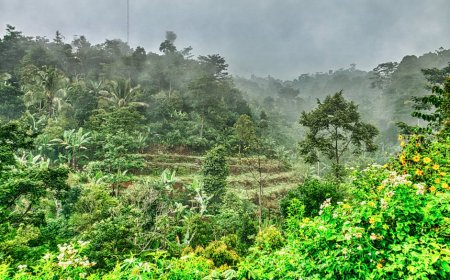
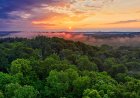
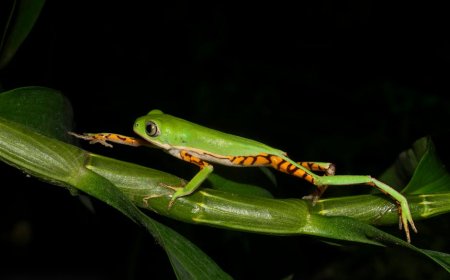
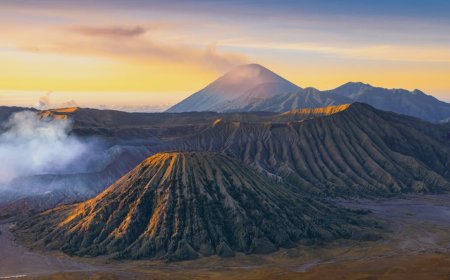
VOXBLICK.COM - Indonesia, the world’s largest archipelago, is a living mosaic of over 17,000 islands, harboring some of the planet’s richest biodiversity. From the ancient rainforests of Sumatra to the vibrant reefs of Raja Ampat, Indonesia’s flora and fauna are nothing short of extraordinary. Home to iconic species like the Komodo dragon, orangutan, and Javan rhinoceros, the country is recognized as a global biodiversity hotspot. Yet, this abundance is under threat from deforestation, climate change, and unsustainable land use. As the world watches, the future of Indonesia’s ecosystemsand the knowledge needed to protect themdepends on a new generation of conservation leaders.
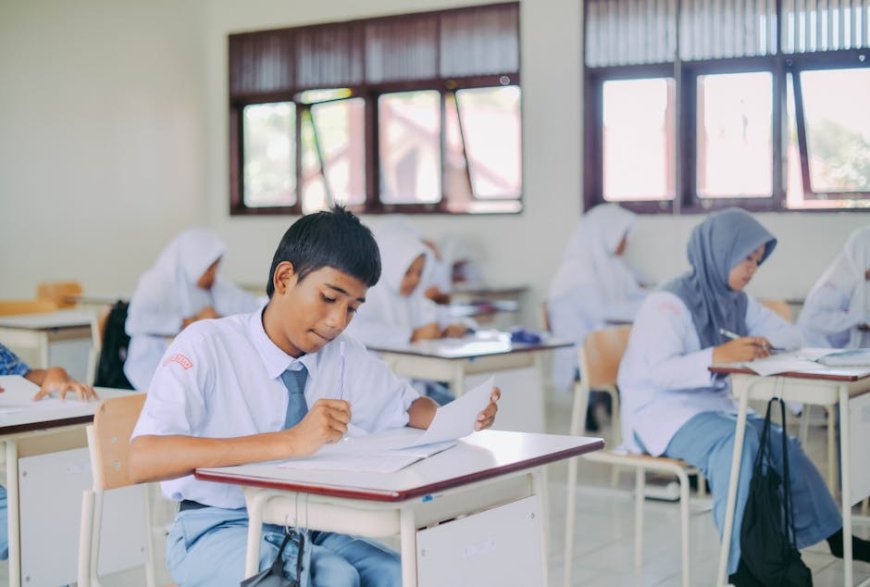
Recognizing the urgent need to cultivate environmental stewardship, Indonesia has launched an ambitious school revitalization program aimed at transforming education across the archipelago.
By investing in modern science facilities, updated curricula, and teacher training, the initiative seeks to inspire scientific curiosity and conservation awareness among students. This educational renaissance is not only about infrastructure but also about fostering a culture where discovery and ecological responsibility go hand in hand.

Empowering Schools as Engines of Conservation
The revitalization program is grounded in the belief that schools have a pivotal role in shaping Indonesia’s environmental future.
Across rural villages and urban centers, classrooms are being equipped with laboratories, solar panels, and digital resources that enable hands-on learning about biology, ecology, and renewable energy. Specialized training for educators ensures that conservation is woven into the fabric of lessons, making topics like endangered species, forest ecosystems, and sustainable practices both accessible and exciting.
This transformation is not limited to textbooks. Field excursions to national parks, mangrove restoration sites, and marine reserves immerse students in Indonesia’s natural wonders.
By witnessing the delicate interdependence of species and habitats, students develop a personal connection to conservation, which is essential for nurturing lifelong environmental advocacy.
Promoting Scientific Curiosity and Local Wisdom
Indonesia’s educational overhaul also embraces the country’s rich tapestry of indigenous knowledge.
Many communities have centuries-old traditions of sustainable livingsuch as the subak irrigation systems of Bali and the sasi marine conservation practices in Maluku. Integrating these local conservation methods with modern scientific approaches enriches the curriculum and fosters respect for both heritage and innovation.
- Hands-on Science Projects: Schools encourage students to conduct biodiversity surveys, monitor water quality, and participate in tree-planting initiatives.
- Renewable Energy Education: Solar power and waste-to-energy demonstrations inspire students to explore sustainable solutions for Indonesia’s future.
- Community Engagement: Collaboration with local leaders and NGOs ensures that conservation education extends beyond the classroom.
Nurturing the Next Generation of Environmental Stewards
As Indonesia revitalizes its schools, the ripple effects extend far beyond academic achievement. Students emerge not only as informed citizens but as potential scientists, park rangers, policy makers, and eco-entrepreneurs.
By sparking curiosity and a sense of responsibility, the program aims to equip Indonesia’s youth with the skills and passion needed to safeguard their country’s unique natural heritage.
Globally, Indonesia’s approach offers an inspiring blueprint for how education can be leveraged to solve pressing environmental challenges.
By connecting science, culture, and community, the nation is planting seeds for a sustainable futureone classroom at a time.

What's Your Reaction?
 Like
0
Like
0
 Dislike
0
Dislike
0
 Love
0
Love
0
 Funny
0
Funny
0
 Angry
0
Angry
0
 Sad
0
Sad
0
 Wow
0
Wow
0