

















Indonesia’s Islands Face Flash Floods Amidst Biodiversity and Resilience

Indonesia: An Epicenter of Biodiversity Under Threat
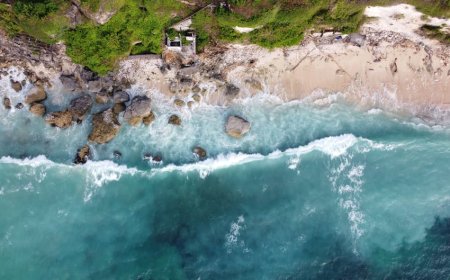
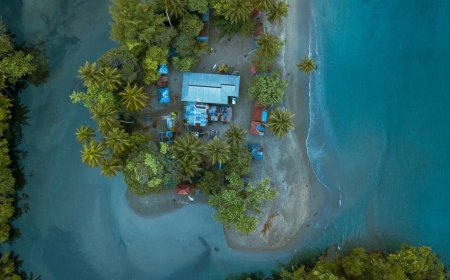
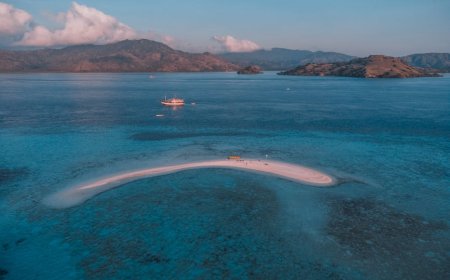
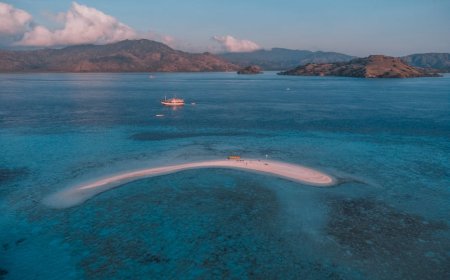
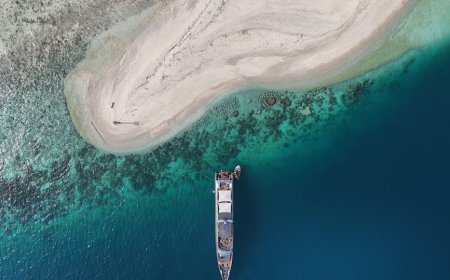
VOXBLICK.COM - Indonesia, the world’s largest archipelago, stretches across the equator and encompasses over 17,000 islands. This sprawling nation is renowned for its breathtaking biodiversity, harboring some of the planet’s richest ecosystems. From the lush rainforests of Sumatra and Borneo to the vibrant coral reefs of Raja Ampat, Indonesia is home to an estimated 17% of the world’s wildlife speciesmany of which cannot be found anywhere else on Earth.
Yet, these natural wonders face mounting threats. In recent years, flash floods have become more frequent and severe, especially in regions like North Sulawesi.
Torrential rains, influenced by shifting climate patterns, have inundated villages, disrupted lives, and imperiled delicate habitats. These events underscore the delicate balance between Indonesia’s natural heritage and the urgent need for ecological protection amidst climate change.
Biodiversity: Treasures and Vulnerabilities
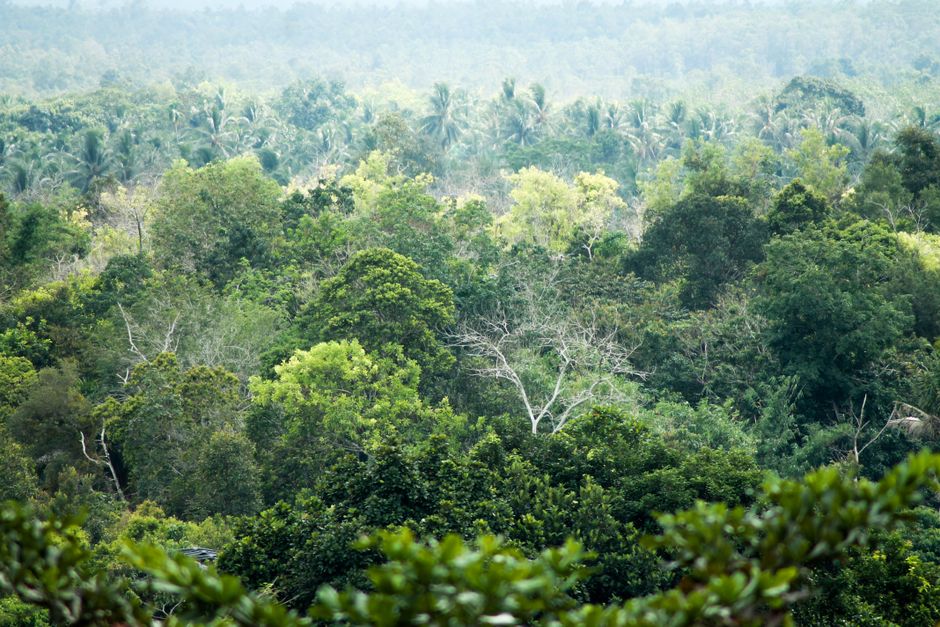
Indonesia’s rainforests are a sanctuary for extraordinary wildlife, including critically endangered species such as the Sumatran tiger, orangutan, and Javan rhinoceros.
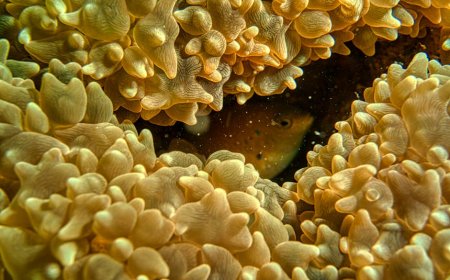
The country’s marine environments are equally remarkable, comprising part of the Coral Triangle, the global epicenter of marine biodiversity. Here, thousands of fish species, corals, and invertebrates thrive in vibrant underwater landscapes.
However, these ecosystems are increasingly vulnerable. Floods, often exacerbated by deforestation and land conversion, erode riverbanks, wash away vital topsoil, and introduce pollutants into rivers and reefs.
The result is habitat destruction, which imperils both iconic and lesser-known species. For example, flash floods in North Sulawesi have displaced endemic birds, amphibians, and plant species, disrupting complex ecological networks.
Conservation Efforts and Community Resilience
Despite these challenges, Indonesia’s commitment to conservation and climate resilience is growing. Government agencies, local communities, and international organizations are collaborating on a variety of innovative projects:
- Reforestation Initiatives: Planting native trees along riverbanks and hillsides to restore natural flood barriers and stabilize soil.
- Wetland and Mangrove Restoration: Reviving mangrove forests that act as natural buffers against storm surges and absorb excess water during floods.
- Wildlife Corridors: Establishing corridors that allow animals to move safely between fragmented habitats, enhancing their chances of survival during extreme events.
- Community-Based Disaster Preparedness: Educating local residents on early warning systems, evacuation plans, and sustainable land management to reduce vulnerability.
These efforts not only protect biodiversity but also bolster the resilience of island communities, who depend on healthy ecosystems for food, water, and livelihoods.
The Role of Science and Innovation
Scientific research plays a pivotal role in understanding and mitigating the impact of flash floods. Indonesian ecologists are using satellite monitoring and environmental DNA (eDNA) analysis to track species populations and ecosystem health.
Renewable energy projectssuch as micro-hydropower and solar installationsare being deployed to reduce reliance on fossil fuels, curbing the emissions that drive climate change and intensify weather extremes.
Furthermore, archaeological discoveries in regions like Sulawesi reveal how ancient societies adapted to shifting environments, offering valuable lessons for building modern resilience.
These insights inspire new models for sustainable land use that honor both cultural heritage and ecological integrity.
A Call for Global and Local Action
Indonesia’s islands stand at the crossroads of beauty and vulnerability. As flash floods reshape landscapes and threaten irreplaceable biodiversity, the need for integrated conservation and climate adaptation becomes ever more urgent.
By combining scientific innovation, community stewardship, and international support, Indonesia can continue to inspire awepreserving its natural wonders for generations to come, even as it faces the rising tide of climate challenges.

What's Your Reaction?
 Like
0
Like
0
 Dislike
0
Dislike
0
 Love
0
Love
0
 Funny
0
Funny
0
 Angry
0
Angry
0
 Sad
0
Sad
0
 Wow
0
Wow
0