














Understanding Indonesia’s Shift Toward Defense Diplomacy and Its Roots
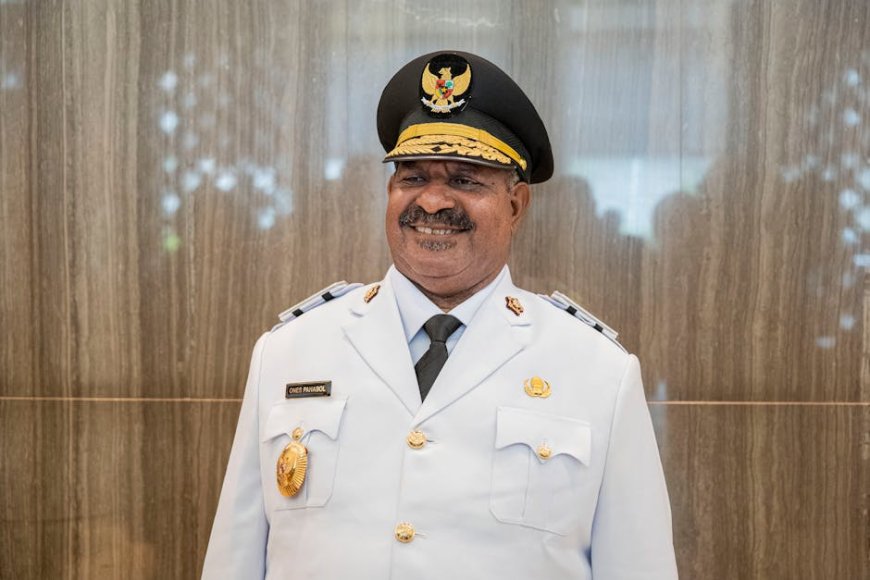
The Tapestry of Indonesian Statecraft: From Ancient Kingdoms to Modern Diplomacy
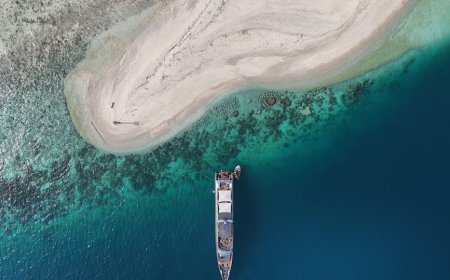
VOXBLICK.COM - Indonesia, an archipelago of more than 17,000 islands, has always stood at the crossroads of global trade and power. Its dynamic historymarked by the rise and fall of powerful kingdoms, colonial encounters, and the forging of a national identityhas deeply influenced the country’s approach to diplomacy and security. Today, Indonesia’s shift toward defense diplomacy is not just a modern strategy but a reflection of its cultural and historical DNA.
Understanding this pivot means looking beyond policy statements and military exercises to the values and traditions that shape Indonesia’s worldview.
The spirit of musyawarah (deliberation) and mufakat (consensus), rooted in centuries-old village councils and royal courts, continues to guide Indonesia’s engagement with the world. These traditions promote harmony, balance, and mutual respectprinciples that now underpin Indonesia’s approach to defense diplomacy.
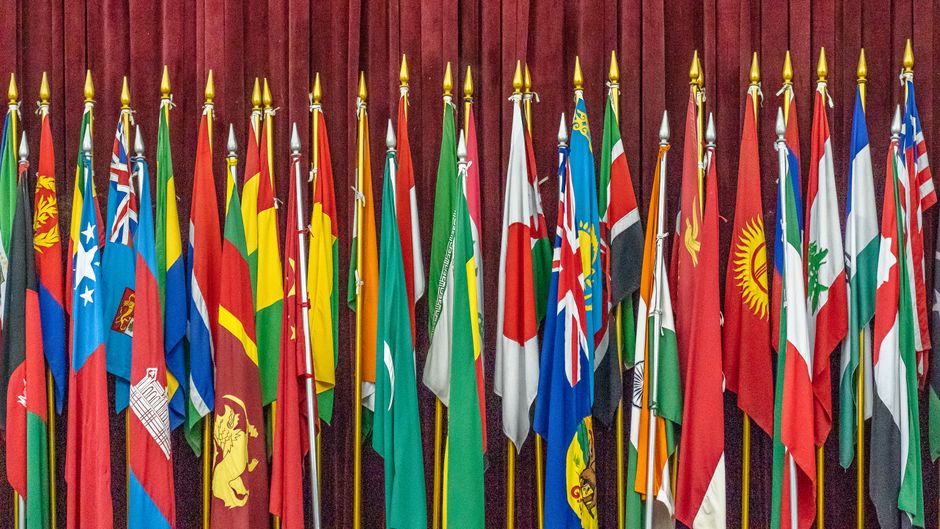
Historical Roots: From Maritime Kingdoms to National Awakening
Indonesia’s maritime kingdomssuch as Srivijaya and Majapahitwere not only centers of culture and commerce but also adept practitioners of soft power.
These kingdoms forged alliances, exchanged envoys, and participated in regional security arrangements. Even during the colonial era, Indonesian resistance movements embraced diplomacy alongside armed struggle, seeking international support for independence.
Following independence in 1945, Indonesia’s founding fathers, including Sukarno and Mohammad Hatta, envisioned a nation guided by the philosophy of Pancasila, with its emphasis on social justice and peaceful coexistence.
This vision shaped Indonesia’s early foreign policy: a commitment to “free and active” diplomacy (Bebas-Aktif), which balanced engagement with global powers while safeguarding national sovereignty.
Defense Diplomacy: A Cultural and Strategic Evolution
In the 21st century, Indonesia’s approach to defense has evolved from inward-looking security to proactive engagementwhat experts now call defense diplomacy. This shift is not merely about military posturing but reflects deeper cultural currents:
- Non-Alignment and Independence: Echoing the ancient tradition of maintaining autonomy amidst larger powers, Indonesia prefers non-alignment. This value is embedded in its leadership within the Non-Aligned Movement and its cautious approach to military alliances.
- Harmony and Dialogue: The principle of gotong royong (mutual cooperation) fosters collaboration over confrontation. Indonesia champions joint exercises, regional security forums, and humanitarian missionsemphasizing partnership rather than rivalry.
- Conflict Resolution: Influenced by local dispute resolution traditions, Indonesia often acts as a mediator in regional conflicts, from the South China Sea to peace negotiations in Mindanao and Myanmar.
This strategic culture is evident in Indonesia’s active participation in ASEAN Defense Ministers’ Meetings, peacekeeping missions under the United Nations, and bilateral defense dialogues with both Western and Eastern partners.
The Meaning Behind Indonesia’s Strategic Shift
For many outsiders, Indonesia’s embrace of defense diplomacy may seem like a pragmatic response to rising regional tensions. But for Indonesians, it resonates with deeply held beliefs about harmony, respect, and the importance of collective security.
This approach is not just about safeguarding borders but also about contributing to regional stability and global peacea role Indonesia sees as both a privilege and a responsibility.
At the heart of this shift is the idea that defense and diplomacy are not opposites but complementary.
Just as the gamelan orchestra weaves together diverse instruments into a harmonious whole, Indonesia sees its security posture as an orchestration of dialogue, cooperation, and readinessa legacy of its culture and history.
Looking Forward: Tradition as Guide in a Turbulent World
Indonesia’s defense diplomacy is a living tradition, continually adapting to new challenges. Whether facing maritime disputes or transnational threats, the country draws on its rich heritage of consensus, mutual respect, and non-alignment.
For those seeking to understand Indonesia, recognizing the cultural roots of its strategic choices offers a deeper appreciation of its role in regional and world affairs.
Ultimately, Indonesia’s journey from ancient kingdoms to a modern diplomatic powerhouse is a testament to the enduring power of culture in shaping statecraft.
As the world becomes more interconnected and complex, Indonesia’s defense diplomacyrooted in tradition yet forward-lookingoffers valuable lessons on the art of balancing strength with wisdom.

What's Your Reaction?
 Like
0
Like
0
 Dislike
0
Dislike
0
 Love
0
Love
0
 Funny
0
Funny
0
 Angry
0
Angry
0
 Sad
0
Sad
0
 Wow
0
Wow
0