
















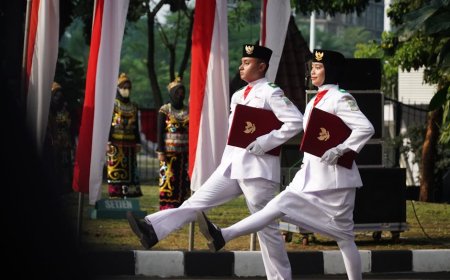








Unveiling Indonesia’s Sustainable Rural Planning and Village Autonomy
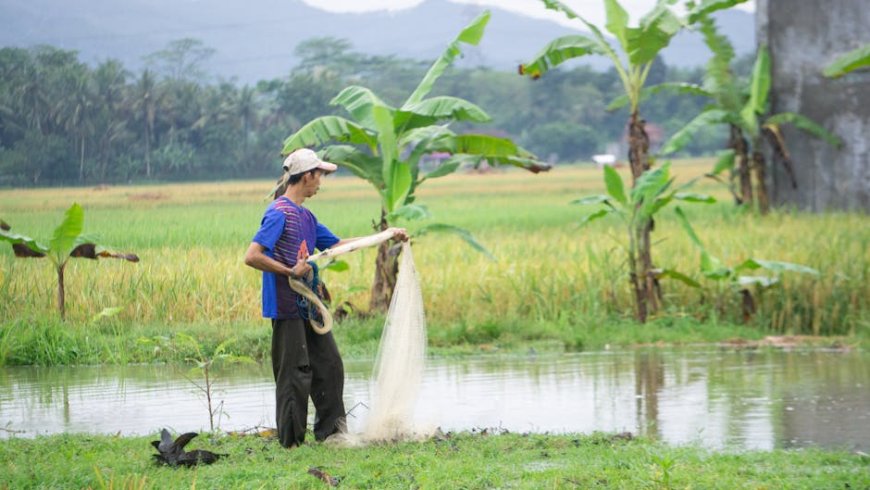
VOXBLICK.COM - Summary: Discover how Indonesia’s rural spatial planning honors village autonomy and local wisdom. Explore the cultural and historical roots behind sustainable community development in Indonesian villages.
The Essence of Village Autonomy in Indonesia
Indonesia, an archipelago of over 17,000 islands, is renowned for its vibrant urban centers. Yet, its true soul lies in the rural villages, or desa, where centuries-old traditions shape daily life.
These villages are not only the cradles of local culture but also the foundation of Indonesia’s sustainable rural planning. Unlike top-down development models, Indonesia’s approach recognizes the autonomy of villages, empowering them to govern their own resources, traditions, and spatial organization.
This autonomy is enshrined in Indonesia’s Village Law No. 6/2014, which grants villages authority over their territory and development priorities.
It reflects a national acknowledgment of the wisdom inherent in local customs, or adat, and the significance of community participation. The result is a unique system where rural spatial planning is intimately tied to the rhythms of culture, environment, and history.

Cultural Roots of Sustainable Planning
Indonesian village spatial planning is not a recent innovation it draws deeply from indigenous wisdom and communal practices.
The traditional Balinese Tri Hita Karana philosophy, for instance, emphasizes harmony between humans, nature, and the spiritual realm. This philosophy manifests in the way villages are laid out, with temples, rice fields, and homes all purposefully positioned to maintain balance and sustainability.
Similarly, the Javanese concept of gotong royongcommunal cooperationlies at the heart of village development. Building houses, maintaining irrigation systems, or celebrating rituals, all are performed collectively.
Such practices not only strengthen social bonds but also ensure that land use is mindful of both environmental and social needs.
Village Governance: From Ritual to Regulation
Village autonomy in Indonesia operates at the intersection of tradition and modern governance. Each village is led by a headman, or kepala desa, and a council that integrates customary leaders.
Decisions about land use, resource management, and development projects are often made through communal deliberation, known as musyawarah. This consensus-driven process echoes ancient rituals of decision-making, where elders and community members gather under the shade of a large tree to discuss matters of collective interest.
Such gatherings are more than administrative meetingsthey are cultural events steeped in respect and ritual.
Offerings may be made to ancestors, and traditional arts such as wayang (shadow puppetry) or gamelan performances can accompany celebrations of new infrastructure or harvests. This blend of governance and tradition ensures that development remains deeply rooted in local identity.
Honoring the Landscape: Sustainability in Action
Indonesia’s rural planning practices are a testament to environmental stewardship.
Terraced rice paddies in Bali and Java, for example, are not only agricultural marvels but also feats of ecological engineering, designed to prevent erosion and manage water sustainably. In Sumba and Flores, traditional houses are oriented to align with prevailing winds and sunlight, minimizing the need for artificial cooling or lighting.
Many villages maintain sacred groves, springs, or forestsprotected by local taboos and rituals. These areas serve as vital reservoirs of biodiversity, as well as sources of spiritual inspiration.
The interplay between sacred landscape and daily life illustrates how environmental sustainability is embedded in cultural practice, not imposed as an external rule.
Contemporary Challenges and Revival of Local Wisdom
While modernization and urban migration pose ongoing challenges, there is a growing movement to revitalize traditional wisdom in Indonesia’s rural planning.
Government programs now actively involve villagers in mapping land use, managing ecotourism, and preserving intangible heritage. International recognition of Indonesia’s subak irrigation system as a UNESCO Heritage Site is a shining example of how ancient practices inform modern sustainability.
- Participatory Mapping: Villagers use digital tools to record sacred sites and traditional boundaries, ensuring development respects local heritage.
- Community-Based Tourism: Rural areas invite visitors to experience authentic traditions, from weaving in Sumba to batik-making in Central Java.
- Revival of Rituals: Annual festivals and ceremonies are increasingly seen as assets for both identity and sustainable livelihoods.
This resurgence of local wisdom is not nostalgicit is a pragmatic response to global challenges, blending ancient knowledge with contemporary needs.
The Spirit of Indonesian Villages
For foreigners seeking to understand Indonesia’s rural heartland, it is essential to look beyond the scenery and observe the intricate dance between autonomy, tradition, and sustainability.
Every footpath, rice terrace, and communal hall tells a story of negotiation between people, nature, and spirit. Through honoring village autonomy and celebrating local wisdom, Indonesia offers a model of community development that is as sustainable as it is deeply rooted in heritage.

What's Your Reaction?
 Like
0
Like
0
 Dislike
0
Dislike
0
 Love
0
Love
0
 Funny
0
Funny
0
 Angry
0
Angry
0
 Sad
0
Sad
0
 Wow
0
Wow
0