














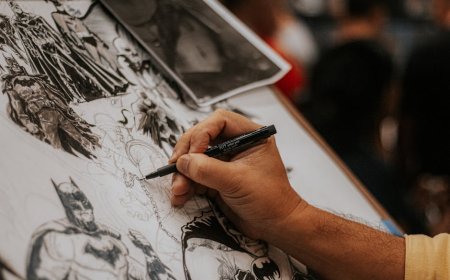
Indonesian Artists Unite Traditions at the National Gallery
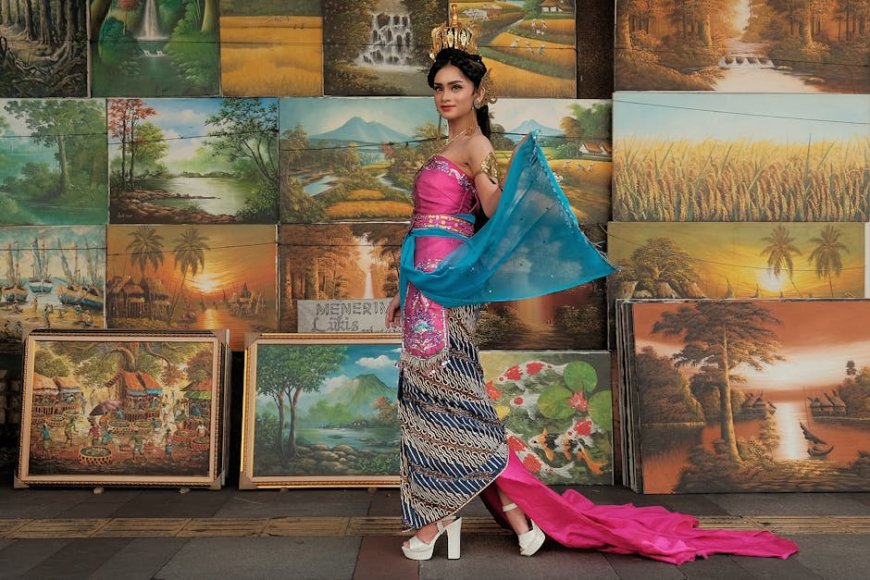
Indonesian Artists Unite Traditions at the National Gallery
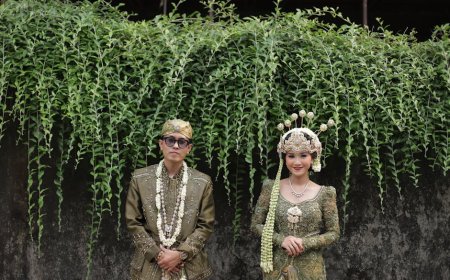
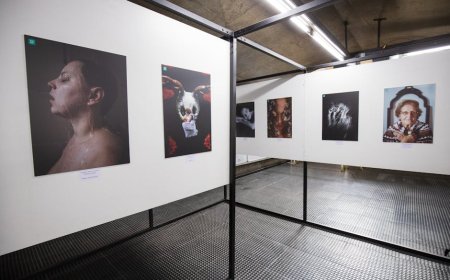
VOXBLICK.COM - Indonesia, an archipelago of more than 17,000 islands, is a nation woven from a dazzling array of cultures, languages, and artistic traditions. This diversity is not only reflected in daily life but also in the vibrant world of Indonesian art. At the National Gallery, an inspiring exhibition is bringing together artists from across the country to celebrate and reinterpret Indonesia’s rich heritage. Here, tradition meets innovation, and the deep meanings behind rituals, folklore, and local craftsmanship are explored through contemporary lenses.
The exhibition, titled “Threads of Identity,” showcases works by artists hailing from Java, Bali, Sumatra, Sulawesi, Papua, and beyond. Each piece tells a storysometimes of ancestry and community, sometimes of change and adaptation.
The artists draw on batik, wayang (shadow puppetry), wood carving, and even ancient scripts, blending these with modern mediums like installation, performance, and digital art. For international visitors, the exhibition offers a rare window into the heart of Indonesian culture, helping to decode the symbolism and stories that shape these islands.
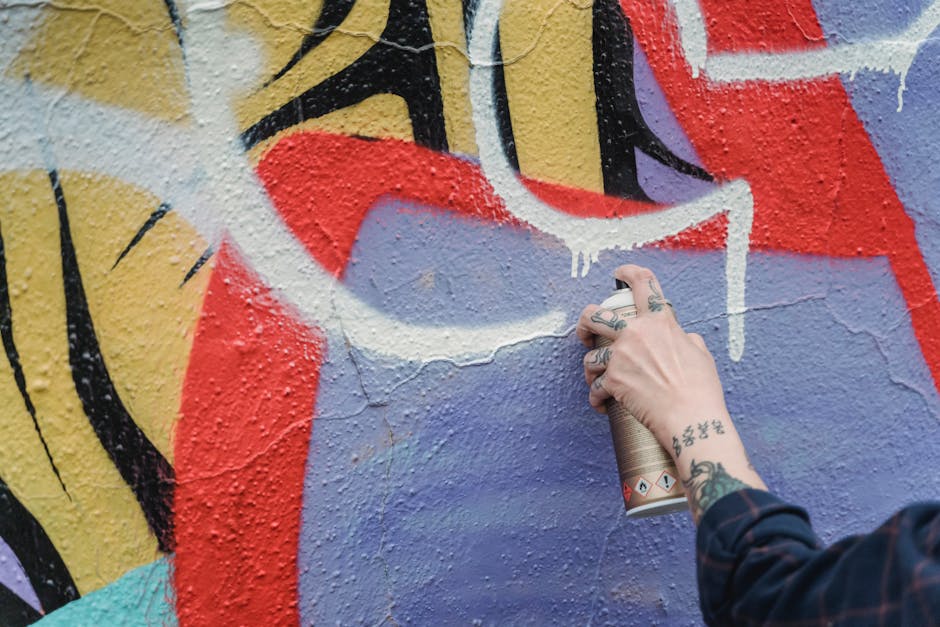
One of the most captivating aspects of the exhibition is how these creators unite the old and the new.
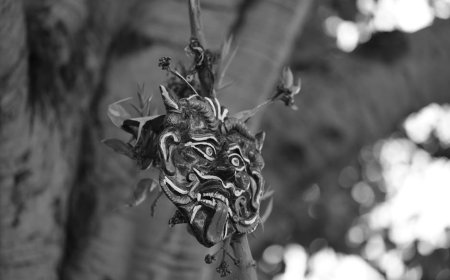
For example, renowned artist I Gusti Ayu Kadek Murniasih’s multimedia installation reimagines the traditional Balinese ogoh-ogoh (giant effigies crafted for the Nyepi “Day of Silence” ritual) using recycled plastics and LED lights. Her work not only preserves a centuries-old spiritual practice but also comments on environmental challenges facing Bali today. Meanwhile, Javanese painter Dwi Putra adapts wayang kulit silhouettestypically used in shadow puppet theatreonto large, abstract canvases, exploring how ancient tales of heroism and morality still resonate in a rapidly modernizing society.
Understanding the Depth of Indonesian Art
To truly appreciate the art at the National Gallery, one must look beneath the surface. Indonesian traditions are often layered with symbolism, much of it rooted in animism, Hindu-Buddhist syncretism, and centuries of Islamic influence.
For instance, the motif of the lotus flower, seen in several exhibited artworks, is not just decorative. In Balinese and Javanese culture, the lotus represents purity, rebirth, and spiritual enlightenmenta reminder of the interconnectedness of life and the importance of harmony with nature.
Another recurring theme is the concept of gotong royongcommunity cooperation and mutual aid.
Many artists depict communal rituals, such as the Saman dance of Aceh or the Torajan funeral ceremonies of Sulawesi, emphasizing the collective spirit that underpins Indonesian society. Through their art, they invite viewers to understand these practices not just as spectacle, but as living traditions vital to social cohesion.
Modern Influences and Global Conversations
As Indonesia’s cities grow and its diaspora expands, contemporary artists are engaging in global dialogues without losing sight of their roots.
The National Gallery exhibition features collaborations with international artists and curators, resulting in thought-provoking works that challenge stereotypes and celebrate hybridity. Jakarta-based sculptor Hasanuddin, for example, draws on both Minangkabau woodcarving and Japanese origami, symbolizing the meeting point between local heritage and global innovation.
Through these creative expressions, Indonesian artists assert their place in the world while honoring the diversity that makes their homeland unique.
Their art becomes a bridgeconnecting past and present, local and global, tradition and transformation.
Why Indonesian Traditions Matter
For visitors to the National Gallery, the experience is more than visual delight. It is an immersion into the stories, values, and philosophies that have shaped Indonesia for generations.
Each brushstroke, carved figure, and woven textile is a testament to resilience and creativityqualities that have allowed Indonesian culture to flourish amidst change.
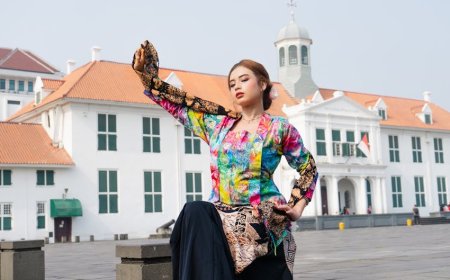
- Batik Textiles: Symbolizing status, spirituality, and regional identity, batik is recognized by UNESCO as a Masterpiece of Oral and Intangible Heritage.
- Wayang Puppetry: These intricate shadow plays are not only entertainment but also moral storytelling, often used to teach life lessons.
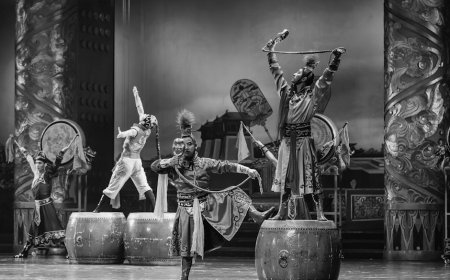
- Ritual Dances: From Bali’s Legong to Papua’s war dances, these performances are vital expressions of communal values and ancestral memory.
By uniting traditions at the National Gallery, Indonesian artists invite the world to witness the beauty of cultural diversity and the power of art to keep heritage alive.
For those seeking to understand the “why” behind Indonesia’s artistic legacy, this exhibition is an unforgettable journey into the soul of a nation.

What's Your Reaction?
 Like
0
Like
0
 Dislike
0
Dislike
0
 Love
0
Love
0
 Funny
0
Funny
0
 Angry
0
Angry
0
 Sad
0
Sad
0
 Wow
0
Wow
0