















Discover Bali’s Artistic Heritage and the Stories Beyond Its Myths
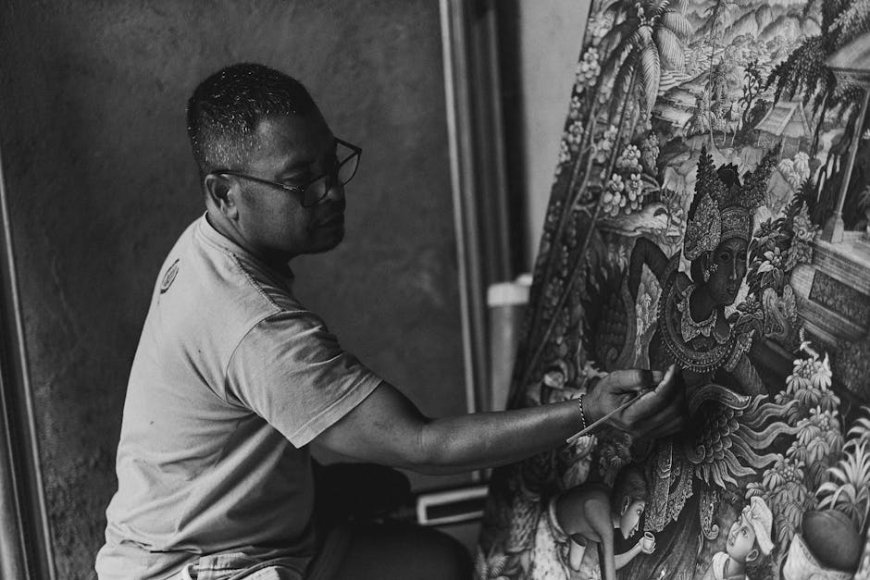
Balinese Art: A Living Tapestry of Spirituality and Expression
VOXBLICK.COM - Bali, the famed Island of the Gods, is celebrated worldwide for its lush landscapes, vibrant rituals, and, perhaps most profoundly, its intricate artistic heritage. Unlike art traditions that are often confined to galleries, Balinese art is a living, breathing part of daily lifea visible thread woven through every village, festival, and temple. For those seeking to understand Indonesia’s cultural identity, delving into Bali’s art reveals stories, beliefs, and the enduring power of myth.
Art in Bali is not merely a matter of aesthetics it is an offering. From the ornate carvings on temple gates to the ephemeral beauty of daily canang sari (flower offerings), creativity is interlaced with spirituality.
This deep connection can be traced back centuries, reflecting a society where art is a sacred duty, a communal celebration, and a vital means of storytelling.

The Meaning Behind Balinese Artistic Traditions
At the heart of Bali’s artistic heritage lies the philosophy of Tri Hita Karana, the harmony between people, nature, and the divine. This philosophy shapes not only day-to-day life but also the very nature of Balinese art.
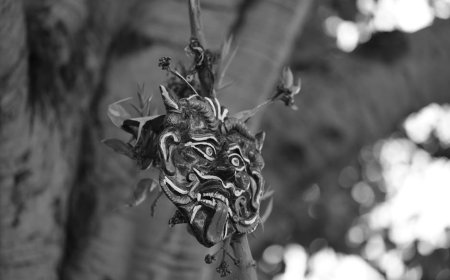
Every creationbe it a shadow puppet, a mask, or a paintingserves a purpose. Artworks are crafted for temple ceremonies, dance performances, and sacred rituals, each imbued with layers of symbolic meaning.
Take, for example, the delicate penjortowering bamboo poles adorned with coconut leaves and offerings. Erected during major festivals, penjor symbolize the bounty of the earth and gratitude toward the gods.
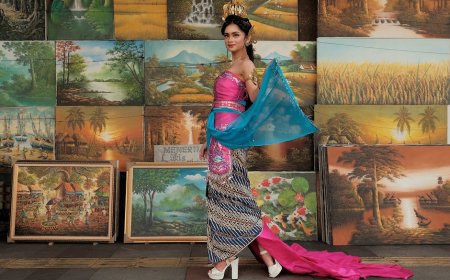
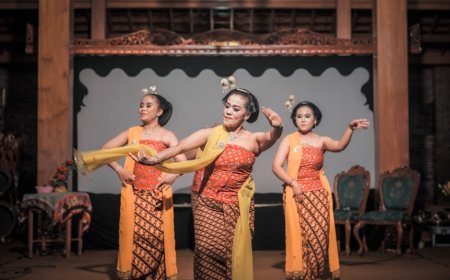
Similarly, the intricate patterns of batik textiles or the dynamic postures in Balinese dance are not mere decoration. They are visual languages, telling stories drawn from Hindu epics and local folklore, teaching values, and reinforcing a sense of communal identity.
The Evolution of Balinese Artists: From Tradition to Innovation
While tradition remains a guiding force, Balinese artists have always been innovators. Historically, art was created communally, often by anonymous craftspeople serving the needs of temples or royal courts.
However, with the arrival of foreign artists in the early 20th centurymost notably German painter Walter Spies and Dutch artist Rudolf BonnetBali experienced a creative renaissance. These collaborations encouraged local artists to experiment with new techniques and subjects while maintaining their spiritual roots.
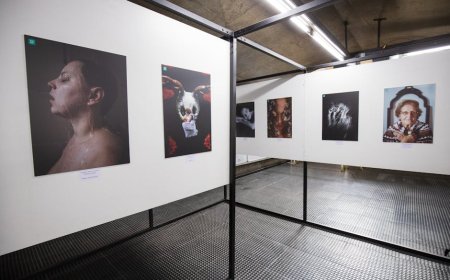
In today’s Bali, one can find a vibrant blend of traditional and contemporary art. Ubud, the island’s cultural heart, is dotted with galleries showcasing everything from classical Kamasan paintings to bold modern sculptures.
Young Balinese artists continue to reinterpret ancestral themes, addressing modern concerns like environmental sustainability and global identity through their work. This dynamic evolution ensures that Bali’s artistic heritage remains relevant, resonant, and deeply rooted in its past.
Unraveling the Myths: Stories That Shape the Island
Bali’s mythology is as rich and colorful as its art. Many artistic expressions are inspired by ancient tales drawn from the Ramayana, Mahabharata, and indigenous legends.
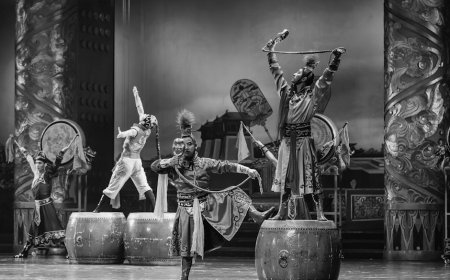
The Barong dance, for example, dramatizes the eternal battle between good and evil, with the lion-like Barong representing positive forces and Rangda embodying darkness. These performances are not simply entertainmentthey are believed to maintain cosmic balance and protect communities from harm.
Myths also explain Bali’s unique customs. The story of Dewi Sri, the rice goddess, underscores the importance of agriculture and gratitude in Balinese society.
Her image appears in paintings, carvings, and offerings, reminding people of the island’s reliance on nature’s cycles. By understanding these narratives, visitors can appreciate the profound symbolism in every aspect of Balinese art and ritual.
Experiencing Bali’s Artistic Heritage: A Journey for Visitors
For travelers eager to connect with Indonesia’s cultural heritage, Bali offers countless ways to immerse oneself in its artistry.
Attend a temple ceremony adorned with colorful banners and gamelan music, witness a mesmerizing Legong dance performance, or try your hand at woodcarving in one of Ubud’s artisan workshops. Each experience reveals the layers of meaning and tradition that define Balinese art.
- Visit traditional art villages like Mas (wood carving), Batubulan (stone sculpture), and Celuk (silverwork) to see master craftsmen at work.
- Explore local markets for handwoven textiles, intricate masks, and ceremonial offerings made by skilled Balinese women.
- Participate in workshops to learn batik painting, gamelan music, or the making of canang sari, gaining firsthand insight into the culture’s artistic soul.
Bali’s artistic heritage is more than a visual feastit is a living testament to Indonesia’s enduring creativity, spirituality, and storytelling.
By looking beyond the myths, one uncovers a world where every gesture, pattern, and performance speaks of identity, harmony, and the timeless quest to honor both the seen and unseen worlds.

What's Your Reaction?
 Like
0
Like
0
 Dislike
0
Dislike
0
 Love
0
Love
0
 Funny
0
Funny
0
 Angry
0
Angry
0
 Sad
0
Sad
0
 Wow
0
Wow
0