












How Maluku’s Local Wisdom Sustains Indonesia’s Fisheries
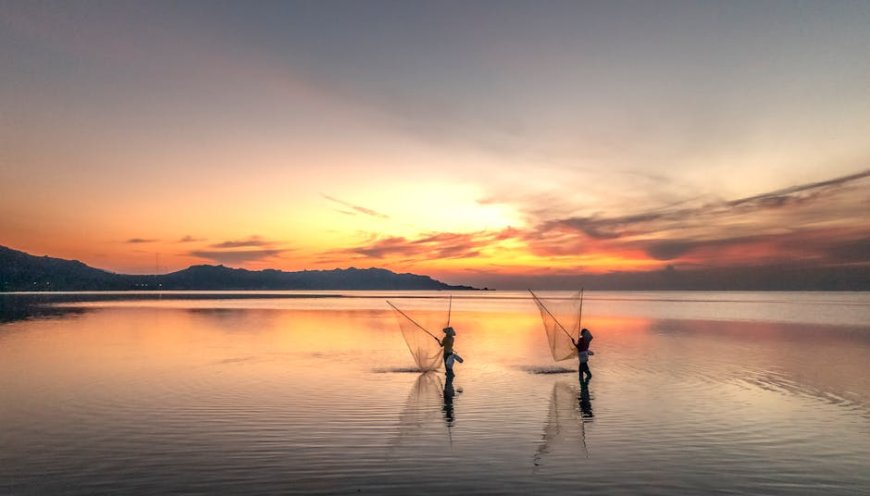
The Living Heritage of Maluku: Guardians of Indonesia’s Seas
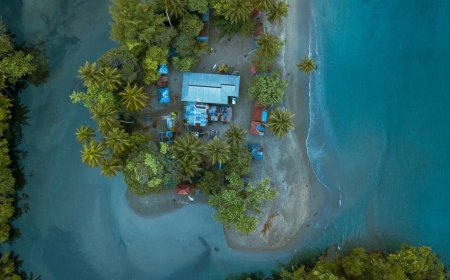
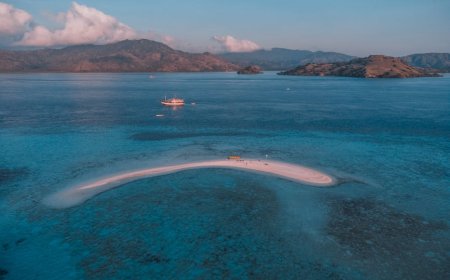
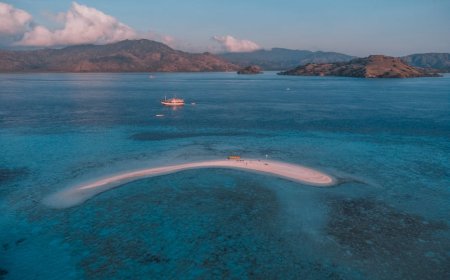
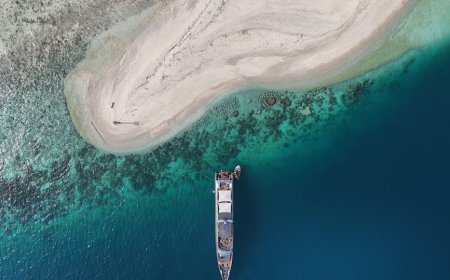
VOXBLICK.COM - Indonesia, the world’s largest archipelago, is celebrated for its vibrant cultures and rich natural resources. Nowhere is this more evident than in the Maluku Islandsa string of emerald gems scattered across the eastern seas. For centuries, the people of Maluku have depended on the ocean, not just for sustenance but as a living part of their identity. What sets Maluku apart is the deep-rooted local wisdom that shapes how communities interact with the sea, ensuring that Indonesia’s fisheries remain abundant for generations.
This local wisdom is not merely a set of rules it is an intricate tapestry of beliefs, customs, and rituals passed down through families over centuries. In Maluku, the ocean is seen as both provider and ancestora sacred realm that demands respect.
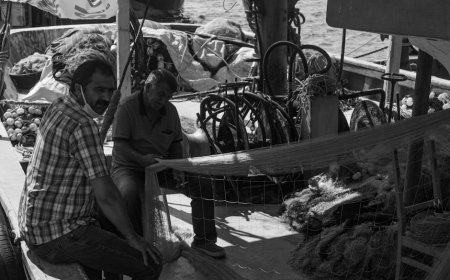
Fishermen do not just extract they steward. The sustainability of Indonesia’s fisheries owes much to these time-tested traditions, which balance human needs with the rhythms of nature.

Sasi Laut: The Heartbeat of Sustainable Fishing
At the core of Malukus fisheries management is the unique tradition of Sasi Laut. This customary law, practiced across many Maluku villages, regulates when, where, and how people may harvest marine resources.
Sasi is more than a rulebook it is a living agreement between the community and the sea. At certain times of year, the village elders declare specific areas or species “closed” to fishinga period known as sasi. During this time, harvesting is strictly forbidden, allowing fish stocks, shellfish, sea cucumbers, or other marine life to recover.
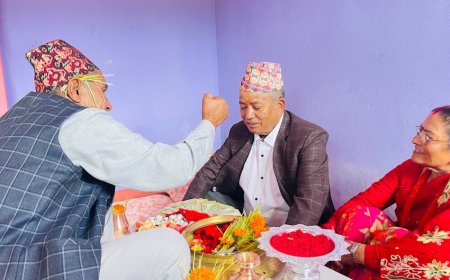
The lifting of sasi is a communal celebration, marked by ritual, music, and gratitude. It is a moment of renewal, when the bounty of the sea is once again shared, never taken for granted.
This cyclical system is essential in protecting biodiversity and preventing overfishingan age-old wisdom now recognized by modern conservationists as a model for sustainable fisheries management.
The Cultural Meaning Behind Maluku’s Marine Wisdom
For outsiders, Sasi Laut may appear as a practical conservation measure, but for Maluku’s people, it is woven into the fabric of daily life and spirituality.
The practice is guided by village elders and traditional leaders, who are believed to have the ability to communicate with ancestral spirits. These figures are entrusted with ensuring balance between humanity and nature, a harmony that resonates in every aspect of Maluku culture.
- Respect for Ancestral Spirits: The ocean is seen as a realm of ancestors. Disrespecting the rules of sasi is believed to bring misfortune, not only upon the individual but the entire village.
- Collective Responsibility: Sasi Laut reinforces a sense of community, where everyone shares in both the restrictions and the rewards. The concept of “gotong royong”working togetheris at its heart.
- Tradition and Adaptation: While rooted in ancient beliefs, sasi has adapted over time, incorporating new knowledge and responding to modern challenges like climate change and illegal fishing.
Maluku’s Wisdom: Lessons for Indonesia and the World
As global fisheries face mounting pressures, Maluku’s local wisdom offers a beacon of hope. Recent scientific studies have shown that areas managed under sasi have higher fish populations and healthier coral reefs compared to unregulated zones.
National and international organizations are now collaborating with Maluku communities to revive and strengthen these traditions, recognizing that the future of Indonesia’s marine biodiversity may well depend on honoring the past.
For travelers and foreigners, understanding Maluku’s approach is a window into the Indonesian philosophy of living in harmony with nature.
It is a reminder that true sustainability is not just about rules, but about relationshipsbetween people, their environment, and their collective heritage. As you witness a sasi ceremony or share a meal of freshly caught fish, you are not just observing a custom, but participating in a story that has sustained Indonesia’s fisheries for centuries.

What's Your Reaction?
 Like
0
Like
0
 Dislike
0
Dislike
0
 Love
0
Love
0
 Funny
0
Funny
0
 Angry
0
Angry
0
 Sad
0
Sad
0
 Wow
0
Wow
0