

















Unveiling Indonesia’s Cultural Renaissance and Timeless Traditions
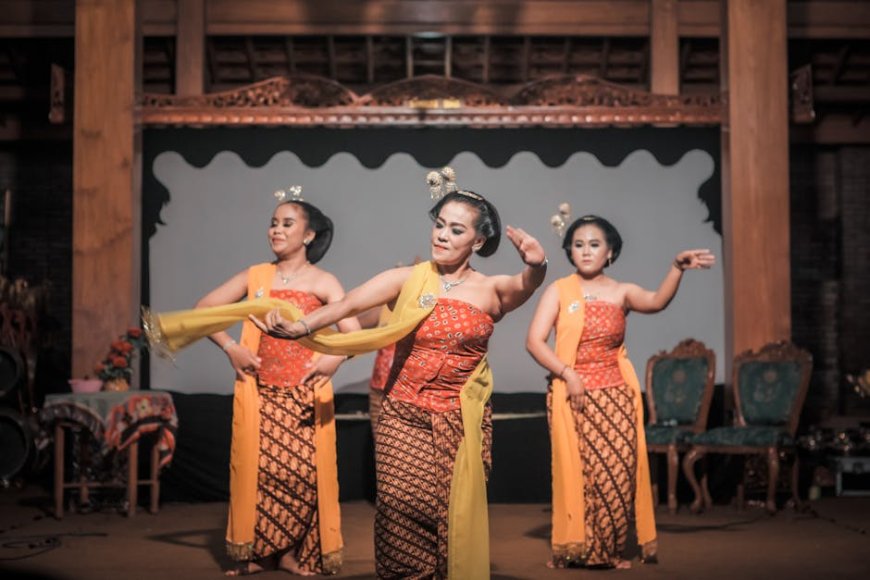
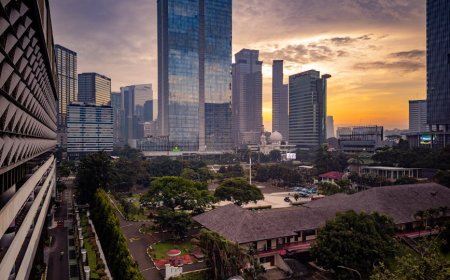
VOXBLICK.COM - Indonesia, the world’s largest archipelago, is a living tapestry woven from thousands of islands, hundreds of ethnic groups, and countless languages. Yet, beneath this vast diversity lies a striking unitya cultural heritage that draws from ancient traditions, intricate rituals, and a relentless spirit of renewal. Today, Indonesia is experiencing a cultural renaissance, where age-old customs are being revived, reinterpreted, and cherished anew. For those seeking to understand Indonesia’s unique cultural identity, it is essential to look beyond the surface and explore the stories, meanings, and philosophies that breathe life into its timeless traditions.
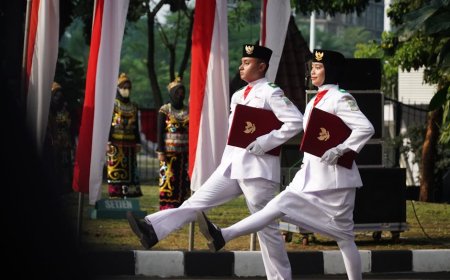
Across the archipelago, Indonesians are reconnecting with ancestral arts, rituals, and culinary practices.
These revivals are not mere nostalgia they are acts of preservation and innovation, blending the wisdom of the past with the energy of the present. This renaissance is visible in every realm of Indonesian life, from the intricate batik patterns worn at ceremonies to the communal feasts that mark sacred days.

The Revival of Ancient Arts and Crafts
Indonesia’s vibrant arts scene is at the heart of its cultural revival. Traditional crafts like batikthe art of wax-resist dyeinghave won UNESCO recognition and a new generation of artists. Batik is not just fabric it is a language.
Each motif tells a story, often rooted in local myths, spiritual beliefs, or social status. In Yogyakarta and Solo, batik workshops bustle with young artisans who blend classic designs with contemporary flair, ensuring that the craft remains dynamic and relevant.
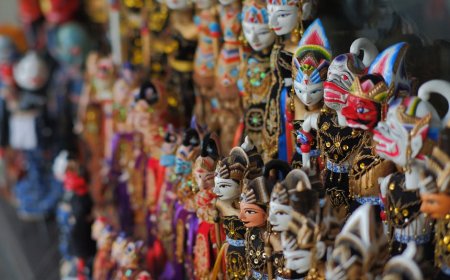
Similarly, the ancient art of wayang (shadow puppetry) is experiencing a renaissance. Wayang performances, once the centerpiece of Javanese royal courts, are now streamed online and adapted for modern audiences.
Through these performances, timeless epics like the Ramayana and Mahabharata are retold, preserving the values of heroism, morality, and harmony that anchor Indonesian society.
Ceremonies, Rituals, and the Meaning of Togetherness
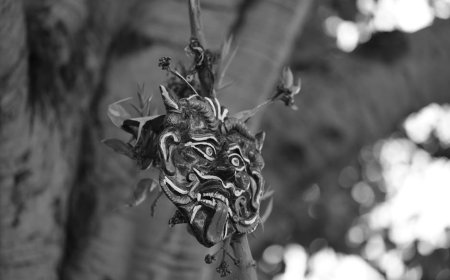
Indonesian culture is defined by its rituals, many of which are rooted in a profound respect for nature, ancestors, and community. The Balinese Ngaben (cremation ceremony) is a striking example.
Far from being a somber event, Ngaben is a vibrant celebration of the soul’s journey to the afterlife. The elaborate processions, music, and communal offerings reflect a belief in the cyclical nature of life and the importance of collective support.
On the island of Java, the annual Grebeg rituals at Yogyakarta’s royal palace blend Islamic and animist traditions.
Here, sultans distribute mountains of food to the public, symbolizing prosperity and the ruler’s duty to care for the people. These ceremonies reinforce social bonds and remind participants of the values of generosity and unity.
Culinary Heritage: Flavors That Tell Stories
No exploration of Indonesia’s cultural renaissance is complete without savoring its culinary heritage. Indonesian cuisine is a mosaic of regional flavors, each dish a reflection of local landscapes and histories.
Take Rendang, the slow-cooked beef stew from West Sumatra. More than just a beloved meal, Rendang symbolizes patience, resilience, and the Minangkabau philosophy of harmony with nature. Its complex layers of spice and meticulous cooking process echo the importance of family ties and communal cooperation.
- Sate: Skewered and grilled meats, marinated with spices, representing street food culture and community gatherings.
- Tumpeng: Cone-shaped rice surrounded by side dishes, used in celebrations to express gratitude and unity.
- Gudeg: A sweet jackfruit stew from Yogyakarta, embodying the gentle and subtle nature of Javanese culture.
Through food, Indonesians express identity, celebrate milestones, and share stories. Culinary rituals like selamatan (communal feasts) bind communities together, marking everything from harvests to births and marriages.
From Past to Future: The Living Tapestry of Indonesia
Indonesia’s cultural renaissance is not merely about preservation it is about adaptation and continuity.
As traditions are revived and shared with the world, they remind us of the power of community, respect for heritage, and the enduring value of togetherness. For foreigners and locals alike, understanding the “why” behind Indonesia’s rituals, arts, and flavors reveals a nation that honors its past while forging a vibrant, inclusive future.

What's Your Reaction?
 Like
0
Like
0
 Dislike
0
Dislike
0
 Love
0
Love
0
 Funny
0
Funny
0
 Angry
0
Angry
0
 Sad
0
Sad
0
 Wow
0
Wow
0