











Mount Semeru’s Lava Floods Reveal Nature’s Volcanic Power
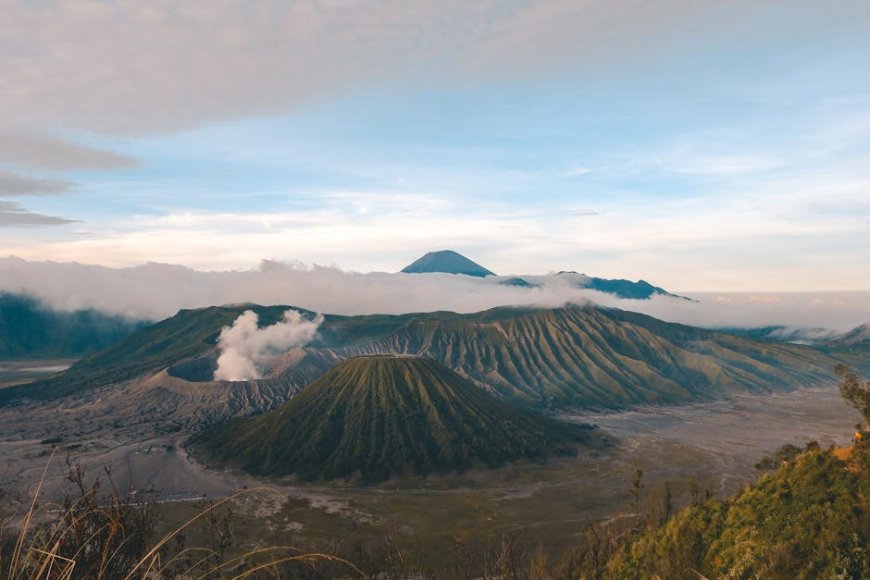
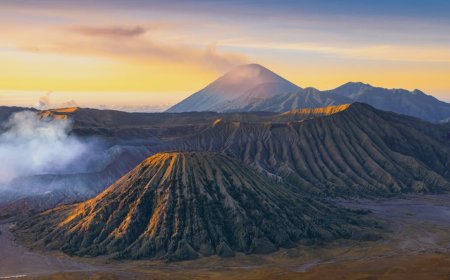
VOXBLICK.COM - Mount Semeru, the highest volcano on Java and a revered icon in Indonesia’s dramatic landscape, periodically reminds us of Earth’s raw power. In recent months, a series of powerful eruptions unleashed torrents of lava and volcanic debris, causing catastrophic lava floods known as lahars. These events not only highlight the ongoing geological dynamism of Indonesia, but also underscore the critical need for conservation, scientific monitoring, and a deeper appreciation of our planet’s living systems.
Indonesia, straddling the Pacific “Ring of Fire,” is home to more active volcanoes than any other country in the world. This unique geographic position creates a landscape of breathtaking beautyand formidable hazards.
Mount Semeru’s recent activity is a vivid display of this duality, as rivers of molten rock reshape the land, threaten communities, and nourish ecosystems in their wake.

The Dynamic Geology of Indonesia
Indonesia’s islands are the summits of submerged mountains, forged by tectonic collisions and volcanic eruptions over millions of years. Mount Semeru, rising 3,676 meters (12,060 feet) above sea level, represents the restless spirit of this region.
Each eruption brings fresh layers of lava and ash, both destructive and creative: old landscapes are obliterated, yet fertile new soils are born. These cycles of destruction and renewal drive Indonesia’s extraordinary biodiversity, making it one of the world’s richest ecological hotspots.
Lava floods, or lahars, occur when heavy rain mixes with loose volcanic ash and debris.
These fast-moving flows can devastate villages, farmland, and infrastructure, but they also enrich the soil, paving the way for lush forests and thriving agriculture. As a result, the very forces that threaten life also sustain ita paradox at the heart of Indonesia’s natural heritage.
Biodiversity Forged by Fire
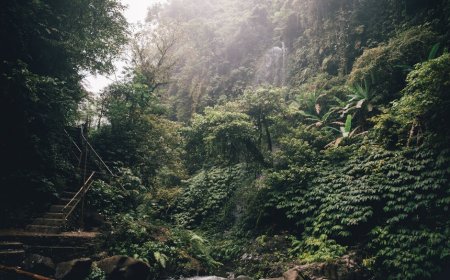
The volcanic soils around Semeru support a remarkable variety of flora and fauna. After an eruption, pioneer plants such as ferns and grasses colonize the barren ground, stabilizing it for more complex ecosystems to take root.
Over time, these landscapes become home to dense tropical forests, home to endangered species like the Javan leopard, hornbill birds, and exotic orchids. The cycle of lava flows and regrowth has shaped Indonesia into a global biodiversity hotspot, with thousands of plant and animal species found nowhere else on Earth.
- Javan Hawk-Eagle: An emblematic raptor, endemic to Java’s forests.
- Rafflesia arnoldii: The world’s largest flower, thriving in nutrient-rich volcanic soils.
- Leuser Ecosystem: One of the last places on Earth where tigers, rhinos, elephants, and orangutans coexist in the wild.
Conservation and Scientific Monitoring
The unpredictable nature of volcanoes like Semeru poses ongoing challenges for conservationists and scientists. Detailed monitoringusing seismographs, satellite imagery, and drone technologyenables early warnings that help protect local communities.
At the same time, understanding volcanic processes is crucial for preserving Indonesia’s unique ecosystems. Conservation groups are working alongside geologists to develop sustainable land-use plans, restore habitats after eruptions, and educate the public about living harmoniously with nature’s forces.
Indonesia’s experience with Mount Semeru offers vital lessons for the world. It demonstrates the importance of integrating scientific research, emergency preparedness, and ecosystem conservation.
By respecting the awesome power of volcanoes and the life they sustain, Indonesia continues to inspire awe and provide a living laboratory for understanding our planet’s dynamic systems.
Nature’s Challenge and Opportunity
Mount Semeru’s recent lava floods are a potent reminder that Earth is alive, ever-changing, and interconnected. The resilience of Indonesia’s people and ecosystems in the face of volcanic upheaval speaks to a profound respect for nature’s cycles.
As scientists continue to unlock the secrets of volcanoes and conservationists work to protect biodiversity, Indonesia stands as a beacon of hopewhere destruction and renewal coexist, and where the power of nature is both a challenge and an opportunity for discovery.

What's Your Reaction?
 Like
0
Like
0
 Dislike
0
Dislike
0
 Love
0
Love
0
 Funny
0
Funny
0
 Angry
0
Angry
0
 Sad
0
Sad
0
 Wow
0
Wow
0