




















Naga Banda and the Deep Wisdom of Indonesian Mythology

The Mystical Presence of Naga Banda in Indonesian Culture
VOXBLICK.COM - Indonesia, an archipelago rich in diversity, is home to a vibrant tapestry of mythologies and legends. Among these, the figure of the Naga Banda stands out as a powerful symbol deeply woven into the nation’s cultural heritage. Unlike the Western concept of dragons as fearsome beasts, the Naga in Indonesian mythology is a creature of immense wisdom, spiritual significance, and cosmic balance. The Naga Banda, in particular, represents not just mythical awe, but also a profound understanding of the universe and humanity’s place within it.
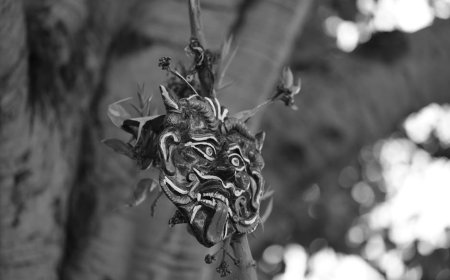
Originating primarily from Balinese and Javanese traditions, the Naga Banda is depicted as a massive serpent or dragon, often with elaborate ornamentation and sometimes multiple heads.
It is more than mere decorationNaga Banda embodies the intricate relationship between the physical and spiritual realms, serving as both guardian and connector. To the Indonesian people, Naga Banda is a guardian of sacred spaces, a symbol of prosperity, and an emblem of royal authority.

The Symbolic Meaning of Naga Banda
To understand the wisdom encapsulated by Naga Banda, one must look at its role in ceremonies and traditional arts.
In Balinese temples, for example, the Naga Banda is often seen carved along stairways or encircling shrines, believed to protect the sanctity of the temple and the purity of those who enter. Naga Banda’s undulating form, connecting the earth with higher realms, illustrates the link between human life and the godsthe physical world and the spiritual.
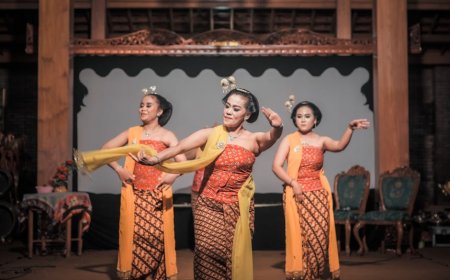
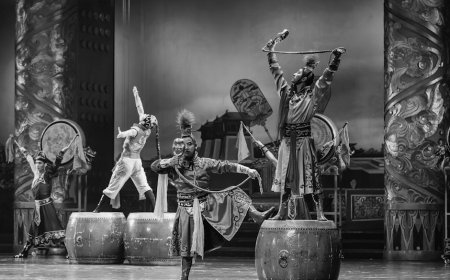
The Naga Banda also manifests in traditional Balinese dance-dramas, such as the Barong Dance, where the Naga is not just a character but a conduit of spiritual energy.
During rituals, offerings are presented to the Naga Banda, symbolizing respect for the forces of nature and the unseen world. This reverence reflects the broader Indonesian philosophy of harmony with nature, known as “Tri Hita Karana”the three causes of well-being: harmony among people, with nature, and with the gods.
Naga Banda and Royal Power
Historically, Naga Banda is closely associated with kingship and sovereignty. In the ancient kingdoms of Java and Bali, Naga motifs adorned thrones, palaces, and royal regalia.
The presence of the Naga Banda signifies the king’s divine mandate, his duty to maintain cosmic order, and his role as a bridge between the mortal and the divine. The curling form of the Naga is often depicted encircling the base of thrones, suggesting the king’s protective embrace over his people and his connection to the sacred energies of the land.
This symbolism is not confined to the past.
During major religious festivals and royal ceremonies, representations of Naga Banda are still central, reinforcing the enduring belief in the ruler’s spiritual responsibilities and the importance of balance in governance. The Naga Banda reminds all who witness its presence that leadership is sacred, and must be guided by wisdom, humility, and respect for tradition.
Enduring Stories and Living Heritage
The stories surrounding Naga Banda are filled with lessons for modern society. Legends tell of the Naga Banda’s role in protecting villages from disaster, ensuring fertility of the land, and guiding lost souls to peace.
These tales are taught to children, danced in village squares, and immortalized in temple carvings, ensuring the wisdom of the Naga Banda is never forgotten.
- Guardianship: The Naga Banda is invoked as a protector against misfortune and evil spirits.
- Prosperity: It is believed to bring abundance and harmony, especially during harvest festivals.
- Spiritual Balance: Its presence reminds communities of the need to maintain balance between progress and tradition, material and spiritual pursuits.
For visitors to Indonesia, encountering the Naga Bandawhether in art, architecture, or ceremonyis an invitation to reflect on the deep wisdom that shapes Indonesian life.
It is a vivid reminder that myth is not merely fantasy, but a living, breathing part of cultural identity, binding past and present, earth and spirit, individual and community. The story of Naga Banda is, ultimately, the story of Indonesia itself: resilient, harmonious, and profoundly wise.

What's Your Reaction?
 Like
0
Like
0
 Dislike
0
Dislike
0
 Love
0
Love
0
 Funny
0
Funny
0
 Angry
0
Angry
0
 Sad
0
Sad
0
 Wow
0
Wow
0