




















Nipah Virus Threat in Indonesia from Migrating Birds and Bats
Nipah Virus Threat in Indonesia from Migrating Birds and Bats
VOXBLICK.COM - Indonesia, celebrated for its vibrant biodiversity and sprawling archipelago, faces an evolving challenge at the intersection of conservation and public health: the potential spread of the Nipah virus. As a zoonotic disease, Nipah virus has garnered global concern due to its ability to jump from animals to humans, leading to severe and often fatal outbreaks. The unique ecology of Indonesia, with its dense rainforests, diverse wildlife, and critical migratory pathways, makes it both a haven for natural wonders and a front line in the fight against emerging infectious diseases.
The island nation is strategically positioned along the East Asian-Australasian Flyway, one of the worlds most important migratory bird routes.
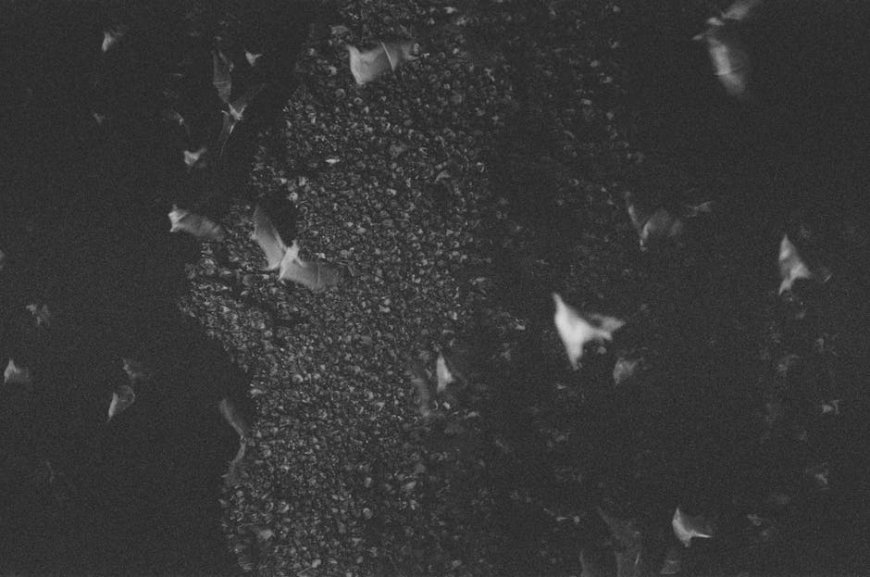
Each year, millions of birds pass through Indonesia, sharing habitats with resident species and, crucially, with fruit bats (Pteropus spp.), which are well-documented natural reservoirs for the Nipah virus. The overlapping of these species, combined with rapid environmental changes and expanding human settlements, presents a complex web of interactions where zoonotic spillover can occur.

The Biodiversity Nexus: Bats, Birds, and Viral Spillover
Indonesia’s rainforests and wetlands are home to more than 1,700 bird species and over 300 species of bats, making it one of the world’s richest centers for avian and chiropteran diversity.
Fruit bats, in particular, play a vital ecological role as pollinators and seed dispersers. However, they are also recognized carriers of the Nipah virus, which can be transmitted via saliva, urine, or excreta.
Migrating birds, though not direct reservoirs for Nipah virus, interact closely with these bat populations in shared habitats such as fruiting trees and watering sites.
The convergence of migratory and resident species can facilitate the movement of pathogens across regions, heightening the risk of disease introduction into new ecological niches and, ultimately, to human communities living at the edge of shrinking forests.
Human Encroachment and Environmental Change
Indonesia’s rapid economic development has accelerated land-use changes, including deforestation, agriculture expansion, and urbanization.
These activities fragment habitats, forcing bats and birds to seek new food sources closer to human settlements. The increased overlap between wildlife and people boosts the chances of zoonotic spillover events, as witnessed in neighboring countries where Nipah outbreaks have been traced to contaminated fruit or livestock exposed to bat excreta.
Climate change further complicates the situation by altering migration patterns and fruiting seasons, potentially increasing the frequency and intensity of interactions between bats, birds, and humans.
These shifts could influence the risk landscape for Nipah virus transmission, making proactive surveillance and habitat management even more critical.
Conservation and Disease Prevention: A Unified Approach
Indonesia’s response to the Nipah virus threat is multi-faceted, blending biodiversity conservation with public health vigilance. Efforts include:
- Wildlife Surveillance: Monitoring bat and bird populations for signs of illness or viral presence, and mapping migration corridors to identify high-risk zones.
- Habitat Protection: Preserving and restoring forests and wetlands to minimize human-wildlife conflict and maintain ecological balance.
- Community Education: Raising awareness among rural and urban populations about the risks of wildlife contact and safe agricultural practices.
- Research Collaboration: Partnering with international scientists to study viral transmission dynamics and develop early warning systems.
These strategies reflect a broader recognition: safeguarding Indonesia’s biodiversity is inseparable from protecting public health.
By preserving intact ecosystems and supporting sustainable land use, the country can reduce the risk of zoonotic spillover while maintaining the vital ecological services provided by its extraordinary array of birds and bats.
Awe and Vigilance in the Face of Nature’s Complexity
The Nipah virus threat is a powerful reminder of the intricate connections between species, habitats, and human societies.
Indonesia’s lush forests and teeming wetlands are not only treasures of the natural world but also dynamic arenas where health and conservation challenges intersect. As the world learns from past outbreaks and invests in future resilience, Indonesia stands as both a sentinel and a stewardbalancing the marvels of biodiversity with the imperative of vigilance against emerging diseases. Through science, community engagement, and international cooperation, hope remains that this region’s unique natural heritage can be protected for generations to come.

What's Your Reaction?
 Like
0
Like
0
 Dislike
0
Dislike
0
 Love
0
Love
0
 Funny
0
Funny
0
 Angry
0
Angry
0
 Sad
0
Sad
0
 Wow
0
Wow
0