











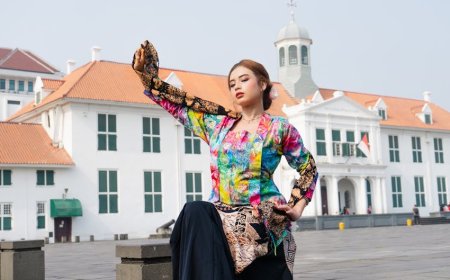





Exploring Indonesia’s Rich Traditions and Unique Cultural Heritage
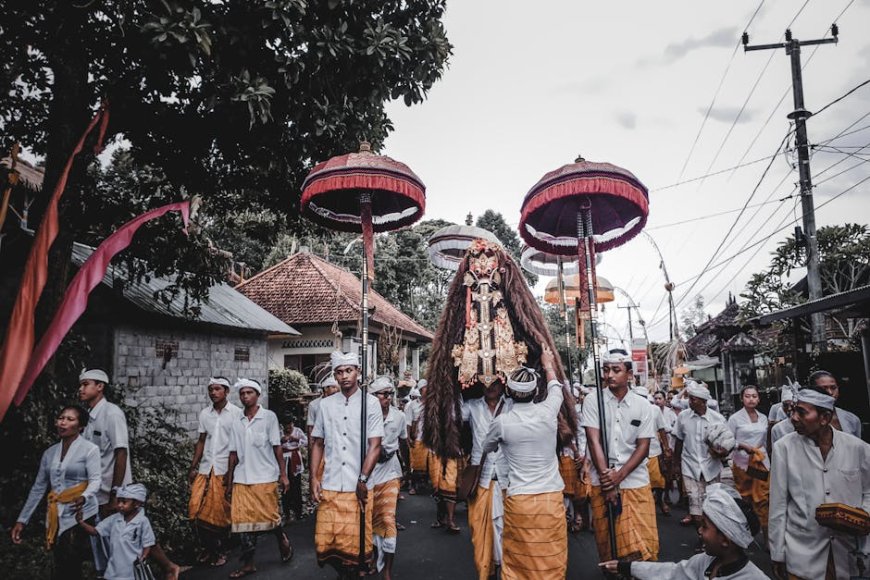
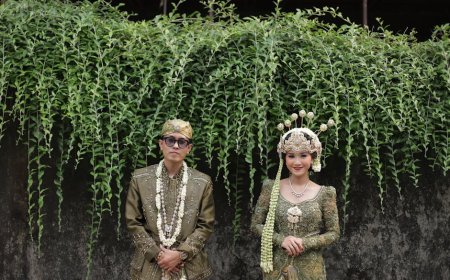
VOXBLICK.COM - Indonesia, the world’s largest archipelago, dazzles with its vast mosaic of cultures, beliefs, languages, and customs. With over 17,000 islands, more than 300 ethnic groups, and countless traditions passed down across generations, Indonesia’s cultural heritage is a living tapestry woven from ancient wisdom, foreign influences, and local ingenuity. For travelers and culture seekers, understanding the meaning behind Indonesia’s traditions and rituals unlocks a deeper appreciation of this nation’s soul.
Indonesian society is built upon a strong sense of community and respect for ancestors. This is reflected in communal ceremonies, vibrant arts, and the everyday rituals that shape daily life.
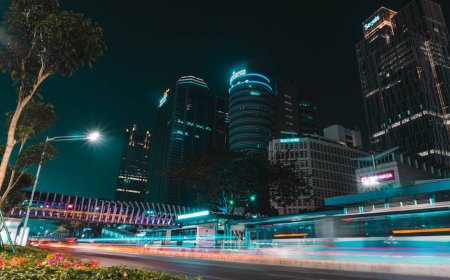
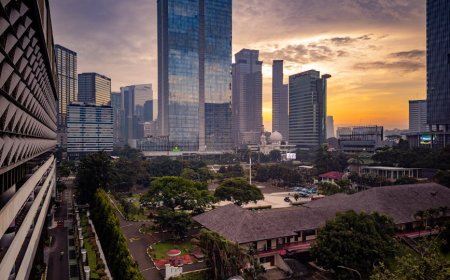
From the bustling streets of Jakarta to the tranquil villages of Bali and the jungles of Papua, each region offers its own unique customs, crafts, and culinary delights. But what connects them all is a shared reverence for harmony, balance, and the sacredness of tradition.

The Meaning Behind Indonesian Rituals
Rituals play a central role in Indonesian life, often blending animist beliefs with Hindu, Buddhist, Islamic, and Christian influences. For example, the Balinese “Nyepi” (Day of Silence) marks the Hindu New Year.
On this day, the entire island comes to a standstill: no lights, vehicles, or work are permitted. This period of silence is meant for self-reflection and spiritual cleansing, believed to cleanse the island of evil spirits and welcome new beginnings. Foreigners may find the experience surreal, but to Balinese Hindus, it is a profound act of communal rejuvenation.
Elsewhere, the Toraja people of Sulawesi hold elaborate funeral ceremonies known as “Rambu Solo.” These multi-day events, complete with traditional dances, animal sacrifices, and feasts, are not simply about mourning.
They serve to honor the deceased and guide their soul to the afterlife, revealing how ancestral respect underpins Toraja society. Each stage of the ceremony carries symbolic meaningred buffaloes, for example, represent wealth and the passage to the next world.
Vibrant Arts: The Language of Culture
Indonesia’s arts are as diverse as its islands. Batik, a UNESCO-recognized textile tradition, uses wax-resist dyeing to create intricate patterns, each symbolizing philosophical or religious meanings.
In Java, certain motifs are reserved for royalty, while others signify blessings or protection. Foreign visitors can learn about a region’s history just by studying its batik patterns.
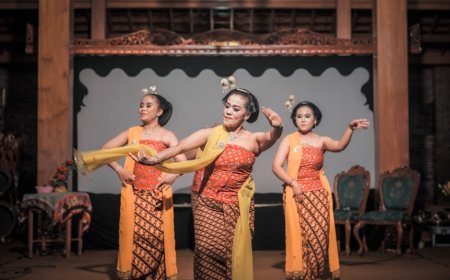
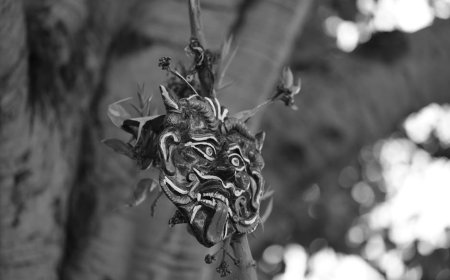
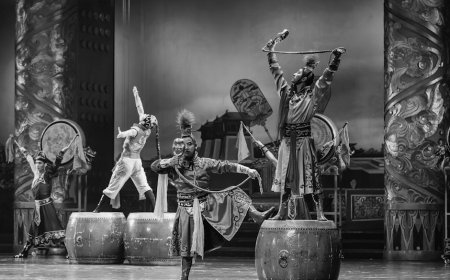
Traditional dance is another window into Indonesia’s soul. The Balinese “Legong” dance, with its graceful gestures and expressive eyes, enacts ancient tales from Hindu epics.
In Sumatra, the Saman dance of Aceh is performed by rows of men sitting in tight formation, clapping and moving in perfect unisona display of harmony and Islamic values. These art forms are not mere entertainment they are acts of storytelling, spiritual devotion, and cultural preservation.
Culinary Heritage: Stories in Every Dish
Indonesian cuisine is a delicious testament to the archipelago’s history as a crossroads of trade and migration.
Dishes like rendang (slow-cooked spiced beef from West Sumatra) trace their origins to ancient Minangkabau rituals, where food is prepared communally during festivals and ceremonies. The use of spices such as nutmeg, clove, and cinnamon reflects centuries of contact with Indian, Arabic, Chinese, and European traders.
- Nasi Goreng: Indonesia’s national fried rice, often flavored with sweet soy sauce (kecap manis), shrimp paste, and topped with a fried eggeach region adds its own twist.
- Satay: Skewered and grilled meat served with peanut sauce, symbolizing shared meals and celebration.
- Tempeh: A fermented soybean cake, highlighting Indonesia’s innovation in plant-based cuisine.
Many Indonesian meals are served “tumpeng”-style, where a cone-shaped mound of rice is surrounded by various dishes.
The shape of the rice represents the sacred mountain, a symbol of life and prosperity, and is used in ceremonies to give thanks to the divine.
Historical Influences Shaping Modern Society
The richness of Indonesia’s traditions is inseparable from its history of migration, colonization, and trade.
Indian and Chinese merchants introduced Hinduism and Buddhism as early as the 1st century CE, leaving behind grand temples like Borobudur and Prambanan. The arrival of Islam from the 13th century added new layers of ritual and art, while Dutch colonial rule brought new technologies, education systems, and global connections.
Today, Indonesia stands as a testament to the power of cultural adaptation and resilience. Traditional practices continue to thrive alongside modern life, celebrated in festivals, rituals, and daily customs.
For foreigners, exploring Indonesia’s rich traditions and unique cultural heritage is not just an act of discoveryit is an invitation to look beyond the surface and understand the values, stories, and dreams that unite this remarkable nation.

What's Your Reaction?
 Like
0
Like
0
 Dislike
0
Dislike
0
 Love
0
Love
0
 Funny
0
Funny
0
 Angry
0
Angry
0
 Sad
0
Sad
0
 Wow
0
Wow
0