












Nahdlatul Ulama Marks a Century of Unity and Tradition
Nahdlatul Ulama: A Beacon of Indonesian Unity and Tradition
VOXBLICK.COM - For a century, Nahdlatul Ulama (NU) has stood as a cornerstone of Indonesia’s cultural and religious landscape. Founded in 1926, NU is not only the world’s largest independent Islamic organization but also a vital force in shaping the identity of Indonesia as a pluralistic, tolerant, and culturally rich nation. Its journey is deeply interwoven with the country’s history, traditions, and the lived experiences of millions of Indonesians across islands and generations.
The roots of Nahdlatul Ulama stretch back to a time when Indonesiathen the Dutch East Indieswas emerging from colonial rule.
The organization was born out of a desire to protect traditional Islamic teachings and local customs (known as adat), at a time when reformist ideologies and colonial pressures threatened to erode them. NU’s founders, themselves respected kyai (religious scholars) and community leaders, envisioned a society where Islamic faith and Indonesian culture could flourish side by side.

The Heart of Indonesian Islamic Tradition
Unlike other Islamic movements that sought to purify religious practices by rejecting local traditions, Nahdlatul Ulama has always championed the harmony between Islam and Indonesia’s diverse cultural tapestry.
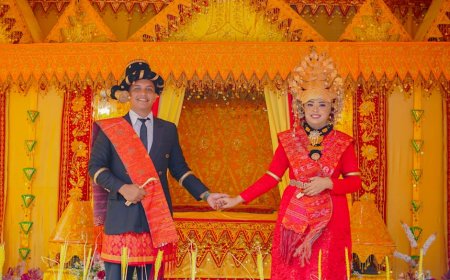
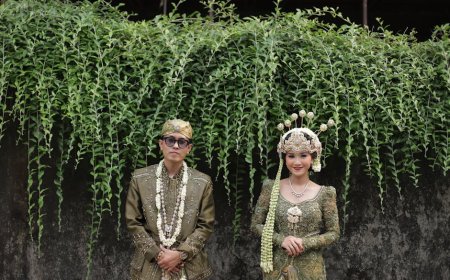
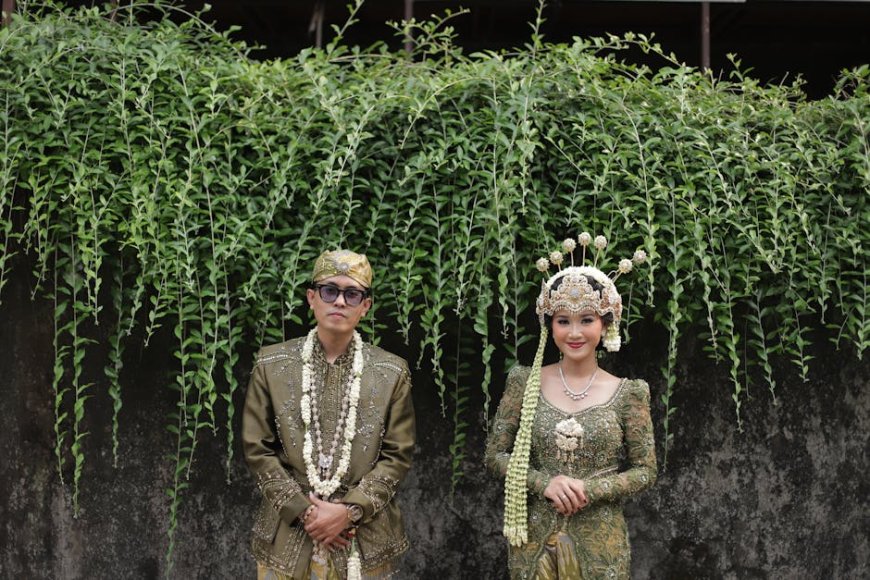
This blend is most visible during major religious and social events, where rituals often incorporate elements of Javanese, Sundanese, Madurese, and other ethnic customs. Practices like tahlilan (collective prayers for the deceased), slametan (communal feasts for life events), and maulid (celebrations of the Prophet Muhammad’s birthday) are examples of how NU merges faith with indigenous tradition, creating a uniquely Indonesian Islamic identity.
NU’s inclusive approach has played a crucial role in promoting religious tolerance and social harmony.
Through its vast network of pesantren (Islamic boarding schools), NU educates millions, not only in religious knowledge but also in the values of peace, respect, and acceptance. These institutions often serve as community centers, preserving local artssuch as rebana drumming and traditional calligraphyand passing on oral histories from generation to generation.
100 Years of Fostering Unity and Reconciliation
As Indonesia has evolvedfrom colonial resistance to independence, and from authoritarian rule to democracyNahdlatul Ulama has continuously adapted, acting as a mediator during periods of unrest and division.
During the country’s struggle for independence, many NU members took up roles as both spiritual and military leaders. In the decades that followed, NU played a balancing role in politics, advocating for the principle of Bhinneka Tunggal Ika (“Unity in Diversity”) that anchors the Indonesian state philosophy.
One of NU’s most remarkable contributions is its ongoing commitment to reconciliation.
After the turbulent years of the 1960s, when Indonesia was marred by mass violence and political upheaval, NU launched community-based initiatives to foster healing and dialogue. In the modern era, the organization has become a leading voice against extremism and sectarianismnot only in Indonesia, but also on the global stageby promoting interfaith dialogue and religious moderation.
The Living Tradition: Nahdlatul Ulama’s Cultural Legacy
Nahdlatul Ulama’s centennial is more than a historical milestoneit is a celebration of living tradition.
The annual Istighotsah (mass prayer) gatherings, colorful khaul (anniversary commemorations of revered saints), and santri (student) festivals are vibrant expressions of faith, gratitude, and communal belonging. These events are not mere rituals they are the heartbeat of rural and urban Indonesian communities alike, strengthening social bonds and reaffirming shared values.
For foreigners seeking to understand why Indonesia’s Muslim-majority society remains peaceful and plural, the answer often lies in the values nurtured by Nahdlatul Ulama.
Its teachings emphasize tasamuh (tolerance), tawazun (balance), and ta’awun (cooperation), echoing through family gatherings, village life, and national discourse. In a fast-changing world, NU’s enduring legacy is its ability to adapt while remaining rooted in the wisdom of tradition.
Shaping the Future: Nahdlatul Ulama’s Role Today
As Nahdlatul Ulama enters its second century, its influence continues to shape Indonesia’s path. The organization is at the forefront of campaigns for social justice, environmental stewardship, and inclusive education.
This enduring commitment to unity and tradition ensures that NU remains not only a religious authority but also a cultural pillarguiding Indonesia towards a future where diversity is celebrated and tradition is honored.
What's Your Reaction?
 Like
0
Like
0
 Dislike
0
Dislike
0
 Love
0
Love
0
 Funny
0
Funny
0
 Angry
0
Angry
0
 Sad
0
Sad
0
 Wow
0
Wow
0