










Namatota Island Wisdom Preserves Papua’s Nature and Culture
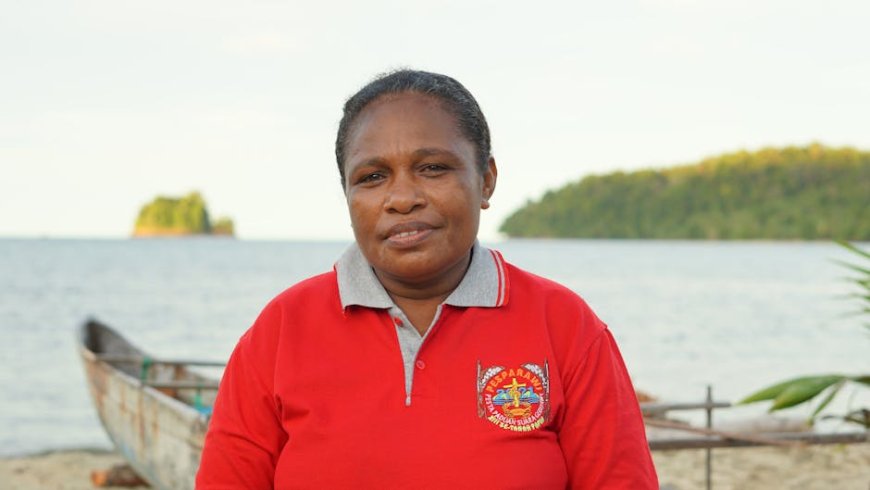
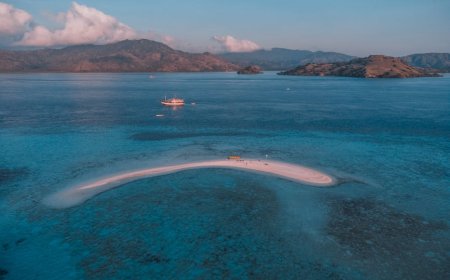
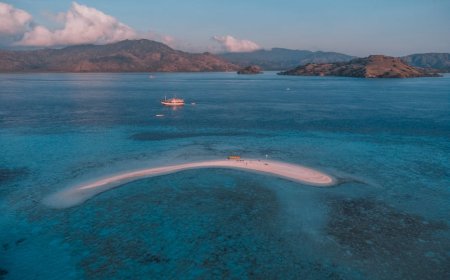
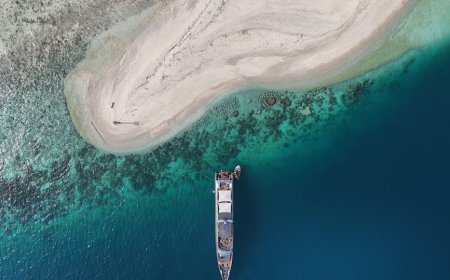
The Remote Jewel of Papua: Namatota Island
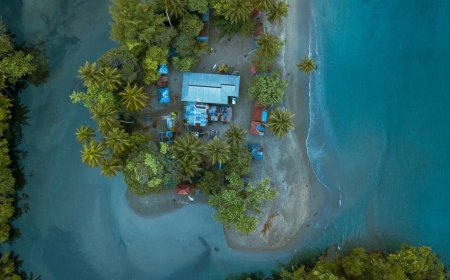
VOXBLICK.COM - Nestled off the southern coast of Papua, Indonesia, Namatota Island stands as a living testament to the harmonious relationship between human beings and nature. While Papua’s vast rainforests and marine wonders are globally renowned, the lesser-known Namatota Island quietly upholds unique traditions that have safeguarded both environment and culture for generations. For travelers and scholars seeking authentic Indonesian heritage, Namatota offers a rare window into sustainable living deeply rooted in ancestral wisdom.
Unlike the bustling tourist hubs of Bali or Java, Namatota Island’s charm lies in its remoteness and the resilience of its indigenous Kaimana people.
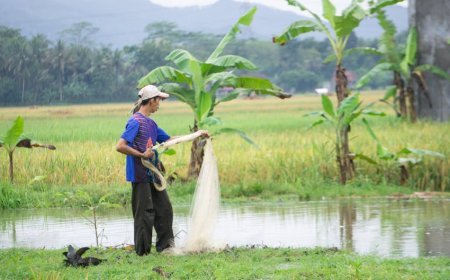
Here, centuries-old customs inform every aspect of daily life from fishing and farming practices to ritual celebrations and community governance. These traditions, born of necessity and respect for the land, provide valuable lessons for a world grappling with ecological crisis and cultural homogenization.
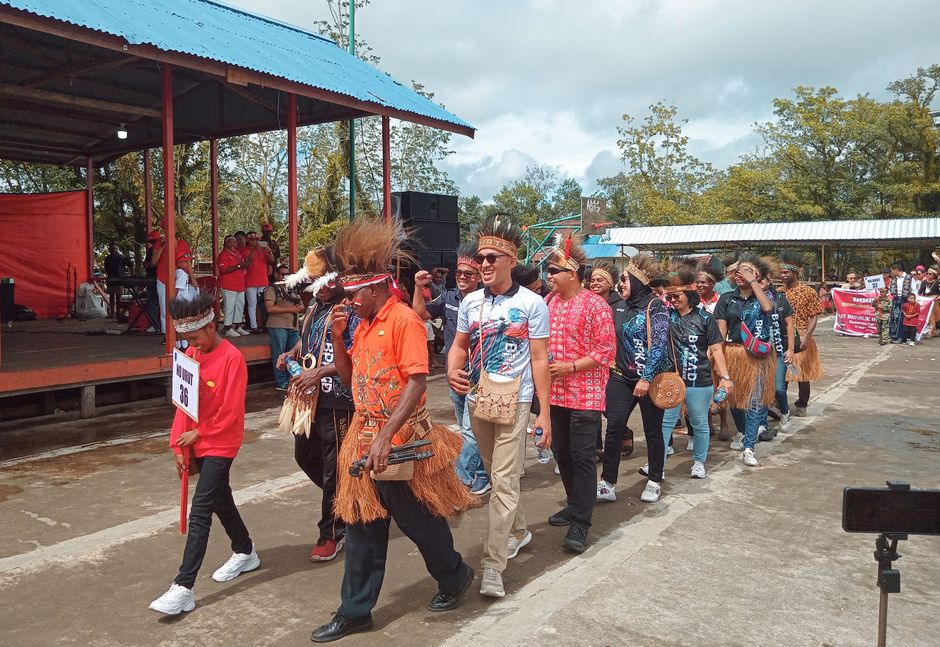
Traditional Wisdom: Sasi and the Rhythm of Nature
Perhaps the most remarkable element of Namatota’s cultural heritage is the traditional ecological law known as Sasi.
Sasi is a customary regulation that restricts the harvesting of certain natural resourcessuch as fish, sea cucumbers, or forest plantsduring specified periods. The community enforces Sasi through rituals led by elders, signaling when the land or sea is “closed” or “open” for use. Violations are met with social sanctions or fines, reinforcing collective responsibility.
The origins of Sasi stretch back centuries and reflect an intuitive understanding of ecological balance. By allowing nature time to regenerate, the people of Namatota ensure the sustainability of vital resources.
This ancient environmental stewardship has become even more significant as global pressures threaten biodiversity across Papua. Sasi not only preserves the island’s rich marine lifeincluding coral reefs and sea turtlesbut also strengthens social cohesion, as the entire community participates in protecting their shared heritage.
Cultural Rituals and Communication with Ancestors
Rituals and ceremonies form the heart of Namatota’s cultural life. Many traditions involve offerings to ancestral spirits, believed to be the original guardians of the land and sea.
During the annual Kasbi celebration, for instance, locals gather to thank the spirits for successful harvests and to pray for future abundance. Dances, songs, and symbolic giftssuch as betel nut or woven matsunderscore the deep spiritual connection between people, ancestors, and their environment.
These rituals also serve as valuable educational moments, transmitting knowledge and values to younger generations. By participating in traditional ceremonies, children learn not only the “how” but the “why” of living in harmony with nature.
This process ensures that local wisdom is not lost amid modernization, but rather adapts and endures.
Artistry and Sustainable Craftsmanship
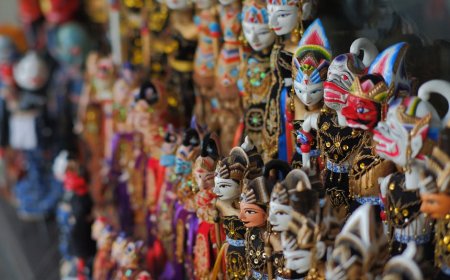
Art and handicrafts on Namatota Island are more than expressions of creativitythey are practical embodiments of sustainable living. Women weave pandanus leaves into baskets and mats, using techniques passed down from their ancestors.
Canoe carving, essential for fishing and transportation, is performed with a reverence for selected tree species, always ensuring that new saplings are planted to replace what is taken.
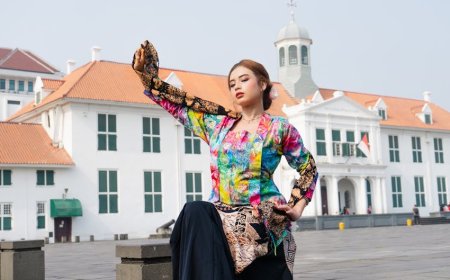
- Batik Papua: Unique textile patterns inspired by local flora and fauna, symbolizing the island’s biodiversity.
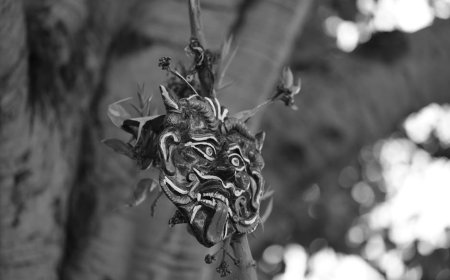
- Woodcarving: Intricate motifs representing myths, animals, and ancestral spirits, often used in ceremonial objects.
- Natural Dyes: Plant-based dyes preserve both tradition and the environment, avoiding harmful chemicals.
Lessons for a Sustainable Future
Namatota Island’s blend of ancient wisdom and daily practice offers powerful insights into sustainable development and cultural preservation.
As the world confronts the twin challenges of climate change and cultural erosion, the people of Namatota demonstrate that it is possible to live well without sacrificing ecological integrity or identity.
For foreigners eager to understand the “why” behind Indonesia’s rich mosaic, Namatota stands as a beacon of hope and inspiration.
Its traditions are not relics of the past, but living guides to a more balanced and meaningful futureone where nature and culture thrive together.

What's Your Reaction?
 Like
0
Like
0
 Dislike
0
Dislike
0
 Love
0
Love
0
 Funny
0
Funny
0
 Angry
0
Angry
0
 Sad
0
Sad
0
 Wow
0
Wow
0