





















Flash Floods Impact North Sulawesi Economy and Infrastructure

Severe Flash Floods Disrupt Economic Activity in North Sulawesi
VOXBLICK.COM - In early June 2024, North Sulawesi, a key province in Indonesia’s economic landscape, was struck by severe flash floods following days of relentless rainfall. The disaster, which has resulted in significant loss of life and widespread damage, has once again exposed the vulnerability of the region’s infrastructure and economy to climate-related risks. For investors and business leaders with interests in Indonesia’s dynamic markets, understanding the ramifications of such events is crucial.
North Sulawesi serves as a vital hub for agribusiness, fisheries, and emerging manufacturing sectors.
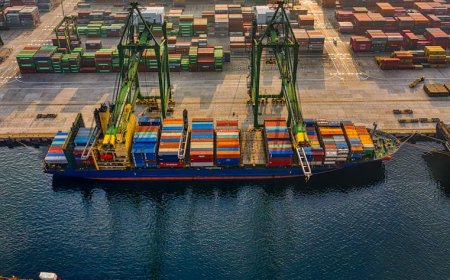
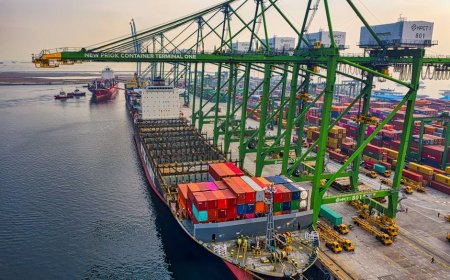
The province’s strategic location near international shipping routes and proximity to other ASEAN markets make it an important node in Indonesia’s economic network. However, the recent flash floods have disrupted supply chains, damaged key transport routes, and forced temporary closures of several local enterprises, impacting both domestic and export-oriented businesses.

Economic Losses and Supply Chain Disruptions
Preliminary assessments from the Indonesian National Disaster Mitigation Agency (BNPB) estimate that the floods have caused direct losses exceeding IDR 200 billion (approximately USD 13 million).
Agricultural output, particularly in the region’s lucrative coconut, nutmeg, and fisheries industries, has seen substantial setbacks. With farmland submerged and rural transport links severed, supply chains have been interrupted, delaying shipments and increasing costs for manufacturers and exporters.
The region’s transportation infrastructure, including major highways connecting Manado and Bitung ports, has sustained damage due to landslides and bridge collapses.
These logistical challenges have ripple effects on local businesses and multinational firms alike, highlighting the critical need for resilient infrastructure investment. According to the Indonesian Chamber of Commerce and Industry (Kadin), several manufacturing plants in Bitung Industrial Estate have reported operational halts due to power outages and impassable roads.
Implications for Investors and Regional Development
For investors, these events underscore the importance of factoring environmental and climate risks into due diligence processes.
North Sulawesi’s attractiveness as an investment destinationbolstered by government incentives for manufacturing and fisheriesnow comes with heightened risk assessments regarding natural disasters. Insurance costs are expected to rise, and both local and foreign investors may need to revisit contingency plans and supply chain strategies.
Furthermore, the disruption has prompted the provincial government to accelerate its infrastructure resilience agenda.
The Ministry of Public Works and Housing has announced plans to invest in flood mitigation projects, including improved drainage systems and the reinforcement of critical transport corridors. Such initiatives may offer opportunities for infrastructure and engineering firms, as well as public-private partnership (PPP) models.
Long-Term Trends: Climate Resilience and Economic Diversification
The flash floods serve as a stark reminder of the urgent need for climate adaptation in Indonesia’s economic planning.
As the archipelago faces increasing frequency of extreme weather events, sectors such as agriculture, logistics, and manufacturing must prioritize climate resilience. Businesses are now exploring digital solutions for supply chain management and investing in disaster-resistant infrastructure.
At the same time, North Sulawesi continues to pursue economic diversification.
The government’s North Sulawesi Economic Corridor initiative seeks to attract investment in tourism, renewable energy, and technology startupssectors less vulnerable to traditional climate risks. According to Bank Indonesia’s regional office, FDI inflows into the province grew by 7.5% in 2023, and authorities are optimistic about a rebound post-disaster, provided recovery efforts are robust and well-coordinated.
Key Considerations for Business and Investment Strategy
- Risk Management: Firms must integrate disaster risk reduction into business continuity planning and consider insurance solutions tailored to Indonesia’s climate realities.
- Infrastructure Investment: Both public and private players should collaborate on upgrading transport and energy infrastructure to withstand future natural disasters.
- Community Engagement: Supporting local communities in recovery efforts not only builds goodwill but also strengthens the resilience of the local workforce and supply chains.
- Diversification: Exploring opportunities beyond traditional sectors can mitigate economic shocks from environmental events.
As North Sulawesi embarks on its road to recovery, the region’s experience serves as an essential case study for investors operating in Indonesia and other emerging markets.
Proactive risk management, infrastructure resilience, and adaptive economic strategies will be critical to ensuring sustainable growth in the face of climate challenges.

What's Your Reaction?
 Like
0
Like
0
 Dislike
0
Dislike
0
 Love
0
Love
0
 Funny
0
Funny
0
 Angry
0
Angry
0
 Sad
0
Sad
0
 Wow
0
Wow
0