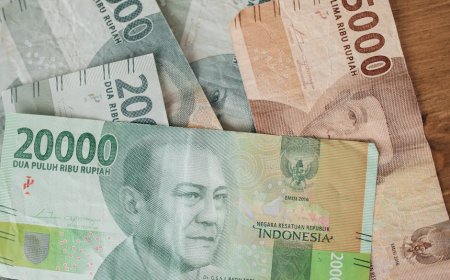

























Indonesia Achieves Record $41 Billion Trade Surplus in 2025
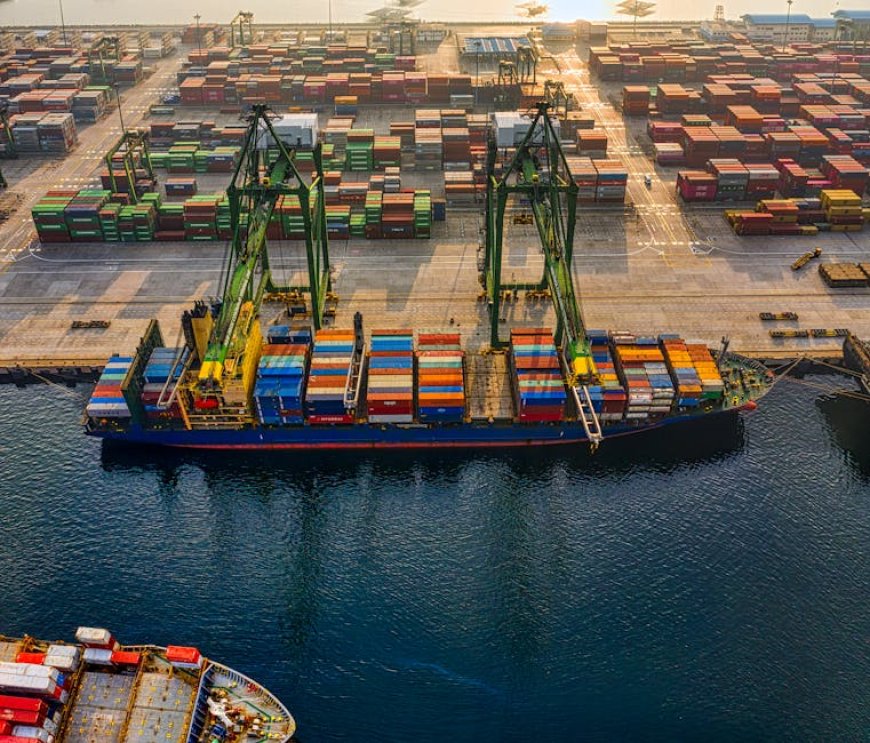
Indonesia Achieves Record $41 Billion Trade Surplus in 2025
VOXBLICK.COM - Indonesia has reached a new milestone in its economic history, registering a record $41 billion trade surplus in 2025. This achievement marks a significant leap from previous years and underscores the strength of Indonesia’s export sector and manufacturing resilience. For investors and business leaders, this development offers a fresh perspective on the evolving Indonesian market and its growing role in the global economy.
According to data from the Central Statistics Agency (BPS) and Bank Indonesia, the surplus was primarily driven by robust performances in key export sectors, including palm oil, coal, electronics, and automotive parts.
The sustained demand for Indonesian commodities and manufactured goods, particularly from China, the United States, and ASEAN neighbors, has amplified the country’s export revenues despite global economic headwinds.

This record surplus not only enhances Indonesia’s macroeconomic stability but also positions the nation as an attractive investment destination in Southeast Asia.
With a healthy balance of trade, Indonesia has more flexibility in managing its currency, foreign reserves, and interest rate policies, which is critical for maintaining investor confidence during uncertain global times.
Key Drivers Behind Indonesia’s Export Boom
The 2025 trade surplus is a reflection of several intertwined factors that have shaped Indonesia’s economic landscape:
- Commodity Price Strength: Higher global prices for coal and palm oil, two of Indonesia’s top exports, have significantly boosted export values.
- Manufacturing Resilience: The manufacturing sector, particularly electronics and automotive parts, saw double-digit growth, driven by foreign investment and government incentives for export-oriented industries.
- Supply Chain Realignment: Geopolitical tensions and shifting global supply chains have led multinational companies to diversify manufacturing bases, with Indonesia benefiting from increased foreign direct investment (FDI).
- Trade Agreements: The implementation of regional trade agreements, such as the Regional Comprehensive Economic Partnership (RCEP), has facilitated greater market access for Indonesian products.
Implications for Investors and the Indonesian Market
The record trade surplus sends a strong signal to international investors about Indonesia’s economic resilience and export competitiveness. Key advantages for investors include:
- Currency Stability: The surplus has helped stabilize the Indonesian Rupiah (IDR), reducing foreign exchange risk for investors and importers.
- Robust Investment Climate: Increased export earnings have improved the government’s fiscal position, allowing for continued infrastructure investment and policy support for startups and manufacturing ventures.
- Sectoral Opportunities: Sectors such as renewable energy, digital technology, and downstream processing of natural resources are attracting capital as the government seeks to diversify export products.
Furthermore, Indonesia’s strong trade performance is reinforcing its position as a regional manufacturing hub.
The government’s focus on industrialization, coupled with a growing consumer base and digital transformation, is creating fertile ground for both domestic and international companies to expand their operations.
Economic Outlook: Sustaining Growth Amid Challenges
While the 2025 trade surplus is a positive indicator, sustaining this momentum will require continued policy support and adaptation to global trends. The Indonesian government is expected to prioritize:
- Enhancing value-added manufacturing through technology adoption
- Expanding trade partnerships beyond traditional markets
- Improving logistics and port infrastructure to streamline exports
- Supporting startups and SMEs in export-oriented sectors
Risks remain, including potential volatility in commodity prices, global economic slowdowns, and rising protectionism. However, Indonesia’s progress in export diversification and industrial policy reforms offers a buffer against these uncertainties.
For investors seeking exposure to Southeast Asia’s dynamic growth, Indonesia stands out as a market with strong fundamentals, a proactive government, and a clear trajectory towards economic modernization.
The record $41 billion trade surplus in 2025 is not just a statistical achievement but a sign of Indonesia’s growing influence in the global trade landscape and its capacity to attract sustainable investment for the years ahead.

What's Your Reaction?
 Like
0
Like
0
 Dislike
0
Dislike
0
 Love
0
Love
0
 Funny
0
Funny
0
 Angry
0
Angry
0
 Sad
0
Sad
0
 Wow
0
Wow
0