





















Indonesia Bans Palm Oil Waste Exports to Boost Energy Independence
Indonesia Bans Palm Oil Waste Exports: A Strategic Move for Energy Independence
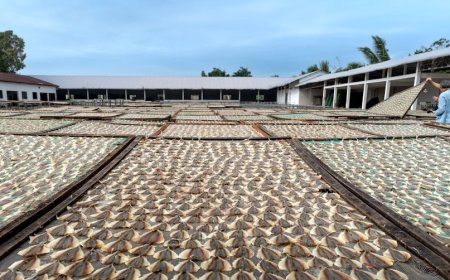
VOXBLICK.COM - Indonesia, the world’s largest palm oil producer, has taken a decisive step in its economic and energy policy by imposing a ban on the export of palm oil waste products, including palm kernel shells. This strategic move, announced by the Ministry of Trade in early 2024, is set to bolster the nation’s pursuit of energy independence, fuel its rapidly growing biofuel sector, and reshape the investment landscape within Southeast Asia’s largest economy.
The palm oil industry is a cornerstone of Indonesias economy, contributing approximately 3.5% to the country’s GDP and employing millions across the archipelago.
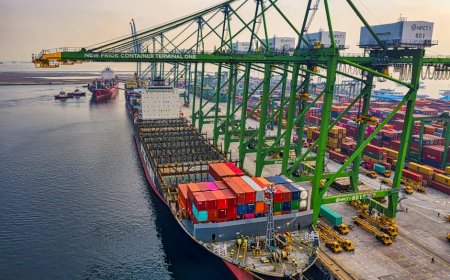
In 2023 alone, Indonesia exported over 30 million tons of palm oil and its derivatives, with palm kernel shells (PKS) and other by-products mainly going to Japan, South Korea, and European markets for biomass energy generation. The new export ban, however, signals a paradigm shift: Indonesia now intends to harness these resources domestically, reducing reliance on imported fossil fuels and supporting sustainable economic growth.
Driving Growth in the Domestic Biofuel Sector
This policy is closely aligned with Indonesia’s ambitious biofuel program, which aims to increase the blend of biodiesel in the national fuel mix.
The government’s B35 mandate requiring 35% palm oil-based biodiesel in diesel has created significant demand for feedstock, including PKS and palm oil mill effluent (POME). By retaining these materials domestically, Indonesia is ensuring a steady supply for its burgeoning bioenergy sector, supporting local industries, and reducing fuel import bills.
According to the Indonesian Palm Oil Association (GAPKI), the country’s biofuel production capacity reached 12 million kiloliters in 2023, with projections to expand further as new investments flow into the sector.
The export ban is expected to catalyze infrastructure development and attract both local and foreign direct investment (FDI) into value-added downstream processing, technology, and logistics.
Implications for Investment and Manufacturing
The export restriction is set to reshape the investment climate in Indonesia’s energy and manufacturing sectors. Investors are now eyeing opportunities in:
- Bioenergy plants: Expansion of domestic PKS-based power generation and biofuel refineries.
- Green technology: Development of efficient biomass conversion technologies, including biogas and bioethanol production.
- Supporting infrastructure: Logistics, storage, and supply chain management for the internal distribution of palm oil waste products.
Global companies previously importing Indonesian PKS for renewable energy are now considering joint ventures and direct investments within Indonesia to maintain access to these critical resources.
This could lead to technology transfer, job creation, and increased local expertise, further strengthening Indonesia’s position as a regional energy hub.
Regional Economic Impact and Challenges
The ban is poised to deliver significant macroeconomic benefits. By substituting imported coal and fossil fuels with domestically sourced biomass, Indonesia can reduce its current account deficit and improve energy security.
The policy is also in line with the country’s commitment to reduce greenhouse gas emissions by 31.89% by 2030, as outlined in its Nationally Determined Contribution (NDC) under the Paris Agreement.
However, the transition is not without challenges. Palm oil smallholders and exporters, especially in Sumatra and Kalimantan, may face short-term income losses as export markets dry up.
The government has promised technical and financial assistance to help these stakeholders pivot towards domestic supply chains and value-added processing. Additionally, robust monitoring and regulatory frameworks will be essential to ensure that increased biomass utilization does not exacerbate environmental degradation or hinder food security.
Outlook: A New Era for Indonesia’s Palm Oil Economy
Indonesia’s ban on palm oil waste exports marks a critical turning point in the nation’s resource management strategy.
As the government seeks to transform waste into wealth, the move underscores Indonesia’s commitment to sustainable industrialization and energy independence. For investors, the evolving regulatory landscape offers both challenges and significant opportunities in bioenergy, green manufacturing, and infrastructure development.
The success of this policy will hinge on effective implementation, supply chain adaptation, and sustained investment in innovation.
As the world’s largest palm oil producer charts a course towards a cleaner, more resilient economy, its approach is set to influence energy and investment trends across Southeast Asia and beyond.

What's Your Reaction?
 Like
0
Like
0
 Dislike
0
Dislike
0
 Love
0
Love
0
 Funny
0
Funny
0
 Angry
0
Angry
0
 Sad
0
Sad
0
 Wow
0
Wow
0