




















Indonesia Accelerates Food Supply Ahead of Ramadan and Eid
Indonesia Accelerates Food Supply Ahead of Ramadan and Eid
VOXBLICK.COM - As the world’s largest Muslim-majority country, Indonesia experiences a surge in food demand during Ramadan and Eid al-Fitr. In 2024, the Indonesian government and private sector have intensified efforts to ensure stable food supply, price control, and robust logistics, reflecting the nation’s growing focus on food security and economic resilience. The strategies deployed not only support domestic consumption but also present significant investment opportunities in the food logistics and supply chain sector.
According to Indonesia’s Ministry of Trade, food consumption typically rises between 10% to 30% during the holy month and Eid celebrations.
This spike often leads to supply chain bottlenecks and price volatility, challenging both policymakers and businesses. To address this, the government has launched a series of initiatives, including increased food reserve mobilization, streamlined import procedures for key staples, and digitalization of distribution channels. These measures aim to maintain price stability for essentials such as rice, cooking oil, sugar, and beef while ensuring equitable distribution across the archipelago.

Strengthening the Food Supply Chain
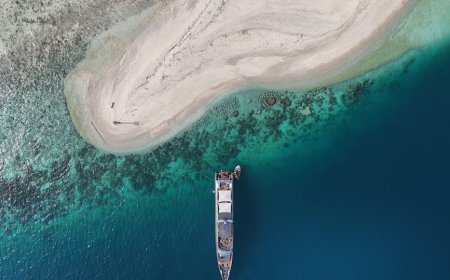
Indonesia’s archipelagic geography, with over 17,000 islands, presents a unique logistical challenge.
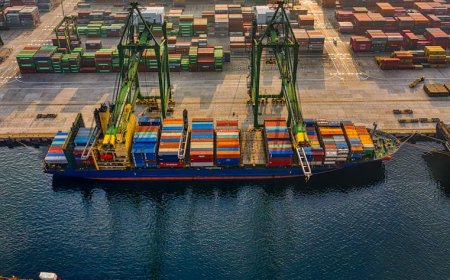
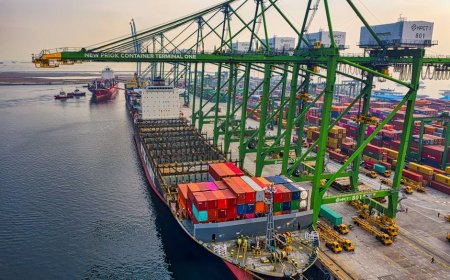
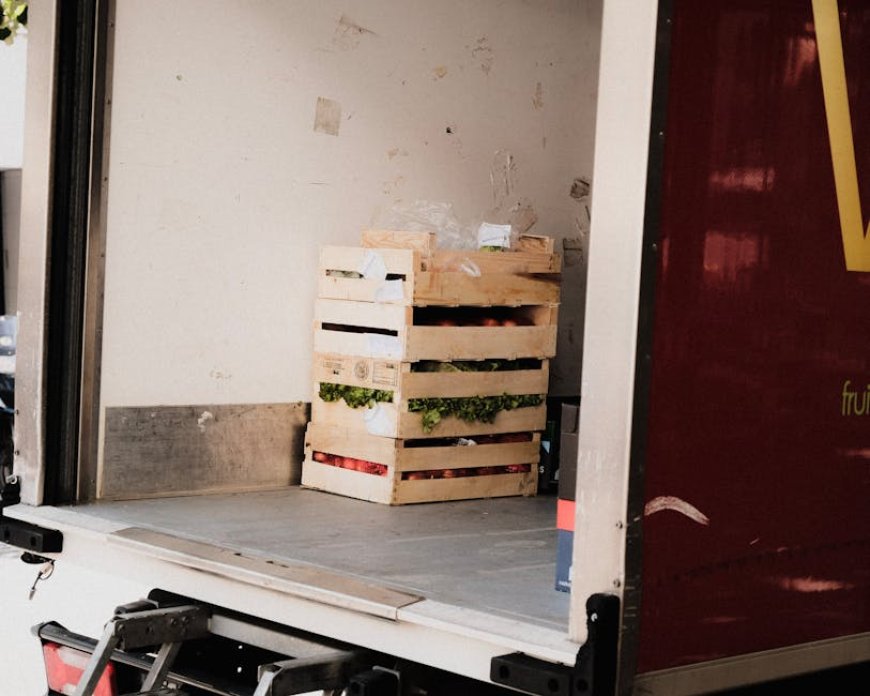
To mitigate disruptions ahead of Ramadan and Eid, the National Food Agency (Badan Pangan Nasional) has collaborated with state logistics firms like Bulog and private distributors to optimize warehousing and transportation networks. The deployment of cold storage facilities at key ports and the adoption of digital tracking systems have enabled real-time monitoring of inventory and expedited delivery processes.
Efforts have also been made to decentralize food reserves, with regional governments empowered to manage local stocks and respond swiftly to market fluctuations.
This decentralized approach reduces dependency on the capital, Jakarta, and ensures food access in outer provinces such as Sumatra, Kalimantan, and eastern Indonesia. The government’s “Food Supply and Price Stabilization Program” leverages public-private partnerships to maintain optimal inventory levels and minimize supply gaps.
Price Control and Market Intervention
Price spikes during festive seasons have historically triggered social and economic concerns.
In response, Indonesia has implemented targeted market operations (“operasi pasar”) to release reserve stocks when prices of commodities like rice and sugar exceed government-set thresholds. This year, the Ministry of Trade has intensified surveillance in traditional markets and modern retail chains, employing digital platforms to monitor prices and prevent hoarding or artificial inflation.
- Rice: Bulog has been authorized to import up to 2 million tons in 2024, supplementing domestic output and preventing shortages.
- Sugar: Accelerated imports and distribution to reduce the gap between supply and growing demand.
- Cooking Oil: Expanded “people’s market” programs to ensure affordable bulk cooking oil for low-income families.
The government’s interventions have helped keep inflation in check, with food inflation recorded at 2.2% year-on-year in February 2024, according to Bank Indonesia.
This stability supports household purchasing power and overall economic growth during a critical consumption period.
Investment Opportunities in Food Logistics
The evolving landscape of Indonesia’s food supply chain presents attractive prospects for investors and entrepreneurs.
The expanding cold chain market, projected by Frost & Sullivan to reach USD 8.6 billion by 2027, is driven by rising demand for perishable goods and efficiency in last-mile delivery. Digital logistics startups such as Shipper, Waresix, and TaniHub are leveraging technology to streamline procurement, inventory management, and distribution, attracting significant venture capital funding in recent years.
In addition, the government’s ongoing infrastructure push, including new ports, toll roads, and integrated logistics hubs, enhances connectivity and reduces delivery times.
Foreign and domestic investors are encouraged to explore partnerships in warehousing, transportation, and logistics technology to tap into Indonesia’s fast-growing consumer market.
Shaping Indonesia’s Economic Trajectory
Ensuring food supply stability ahead of Ramadan and Eid is not only a social necessity but also a key driver of Indonesia’s economic trajectory.
By modernizing logistics, fostering public-private collaboration, and implementing robust price control mechanisms, Indonesia is reinforcing its position as a resilient and attractive destination for food sector investment. For international and local investors, the evolving food logistics sector offers a gateway to the broader Southeast Asian market, underpinned by a large, dynamic, and increasingly urbanized population.

What's Your Reaction?
 Like
0
Like
0
 Dislike
0
Dislike
0
 Love
0
Love
0
 Funny
0
Funny
0
 Angry
0
Angry
0
 Sad
0
Sad
0
 Wow
0
Wow
0