























Indonesia Expands Fish Exports with 40 New China-Approved Facilities
Indonesia Expands Fish Exports with 40 New China-Approved Facilities
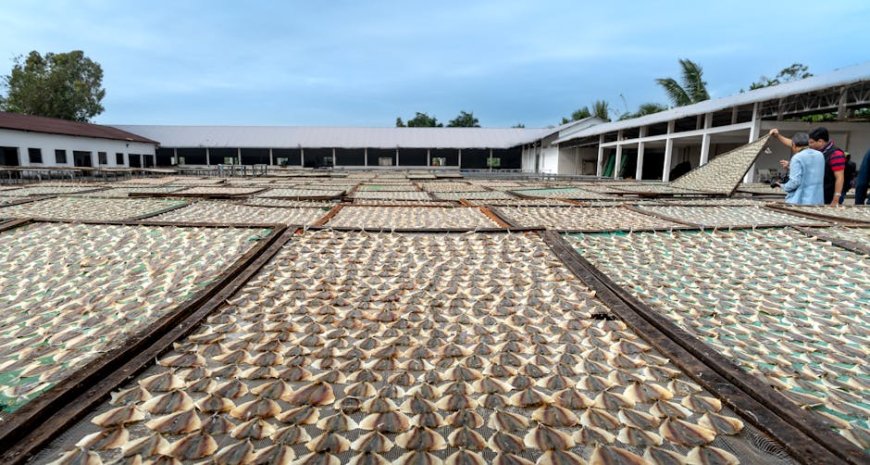
VOXBLICK.COM - Indonesia has marked a significant milestone in its seafood industry, securing China’s approval for 40 new fish export facilities. This achievement positions Indonesia to further solidify its status as a leading global player in fish and seafood exports, while simultaneously enhancing economic trade relations with China, one of the worlds largest seafood importers. The move is expected to generate substantial growth opportunities for the Indonesian market and may influence the broader Southeast Asian investment climate.
The General Administration of Customs of the People’s Republic of China (GACC) officially approved the new facilities in early 2024, following a series of rigorous inspections and compliance checks.
These facilities, located across major seafood processing hubs in Indonesia, now add to the country’s growing portfolio of China-certified exporters, making Indonesia a more competitive source of fish products in the Asia-Pacific region. According to Indonesia’s Ministry of Marine Affairs and Fisheries, this development is projected to boost fish export values and encourage further foreign investment into domestic processing and logistics infrastructure.

Strategic Impact on the Indonesian Seafood Industry
Indonesia is the world’s second-largest fish producer, with the seafood sector contributing approximately 3% to national GDP and supporting the livelihoods of over 12 million Indonesians.
Gaining access to China’s vast consumer marketvalued at over USD 20 billion annually for imported fish and seafoodstrengthens Indonesia’s economic resilience and export diversification. In 2023, Indonesia exported nearly 1.3 million tons of fishery products, worth USD 5.8 billion, with China accounting for about 17% of the total export value.
The approval of 40 additional facilities is expected to increase Indonesia’s annual fish export capacity to China by up to 20%, translating into potential export revenue growth of USD 300–400 million.
This development also encourages Indonesian seafood firms to invest in advanced processing technology and comply with international food safety standards, driving sectoral modernization and higher value-added production.
Broader Economic and Investment Implications
The expansion of China-approved facilities is poised to attract greater investment in Indonesia’s seafood processing and cold chain logistics sectors.
Both local and international investors are likely to see new opportunities in upgrading storage, packaging, and transportation infrastructure, which are critical for maintaining export quality and meeting China’s stringent import requirements. The policy shift also aligns with Indonesia’s strategic goal of building a “Blue Economy” by promoting sustainable fisheries and increasing export competitiveness.
- Increased Foreign Direct Investment (FDI): Enhanced export credentials make Indonesian seafood companies more attractive to foreign partners and joint ventures, especially from China, Japan, and ASEAN neighbors.
- Job Creation: New facilities and expanded operations are expected to generate thousands of jobs in coastal communities, further supporting Indonesia’s inclusive economic growth agenda.
- Regional Supply Chain Integration: Improved export capabilities may stimulate growth in related sectors such as aquaculture feed, packaging, and marine logistics, fostering deeper regional supply chain integration.
Outlook for Investors and Regional Trade
For international investors, Indonesia’s enhanced access to the Chinese seafood market signals an increasingly favorable investment climate.
With regulatory alignment, robust supply chains, and government support for export-oriented industries, Indonesia is positioned as a prime destination for capital in agri-processing and logistics. The expansion also underscores the region’s growing role as a seafood production hub, with Indonesia setting benchmarks in quality and traceability.
Looking ahead, the Indonesian government plans to pursue additional market access agreements and further streamline export procedures.
By continuing to invest in technology and sustainable practices, Indonesia aims to capture greater market share in China and other key destinations, supporting long-term economic growth and regional development.

What's Your Reaction?
 Like
0
Like
0
 Dislike
0
Dislike
0
 Love
0
Love
0
 Funny
0
Funny
0
 Angry
0
Angry
0
 Sad
0
Sad
0
 Wow
0
Wow
0