






















Indonesia Beef Prices Surge Amid Import Quotas and Cost Pressures

Indonesia Beef Prices Surge Amid Import Quotas and Cost Pressures
VOXBLICK.COM - Indonesia, Southeast Asia’s largest economy, is facing a significant surge in beef prices as the government enforces stricter beef import quotas and global supply chain costs continue to rise. The tightening of import quotas and mounting logistical expenses are placing considerable pressure on both consumers and businesses, reshaping the domestic beef market and influencing investment strategies across the agribusiness and retail sectors.
In the first quarter of 2024, average beef prices in Jakarta’s traditional markets reached IDR 160,000 (approximately USD 10) per kilogram, a 15% increase compared to the same period in 2023. Analysts attribute this escalation to a combination of
reduced import volumes, currency volatility, and higher global cattle prices. As Indonesia relies on imports for nearly 40% of its beef supply, any disruption in the global supply chain or regulatory changes have an outsized impact on domestic price stability and supply consistency.

Import Quotas and Regulatory Shifts
The Indonesian Ministry of Agriculture introduced stricter beef import quotas in late 2023, aiming to support local cattle farmers and reduce dependency on imports from Australia, Brazil, and New Zealand.
However, these policies have also limited market supply, leading to higher prices at both wholesale and retail levels. The 2024 quota for frozen beef imports was set at 100,000 tons, a reduction of 20% from the previous year. At the same time, the rupiah’s depreciation against the US dollar has made imported beef even more expensive.
For Indonesian importers and distributors, these regulatory shifts present logistical and financial challenges. Many have been forced to renegotiate contracts with overseas suppliers or seek alternative sources in a highly competitive market.
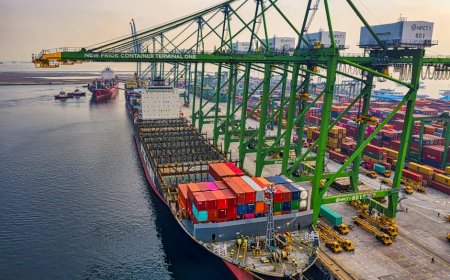
Additionally, rising freight and insurance costsdriven by global geopolitical tensionshave further exacerbated the price hikes.
Economic Impact on Local Markets and Supply Chains
The surge in beef prices is reverberating throughout Indonesia’s food and beverage industry.
Small and medium-sized enterprises (SMEs), which constitute the backbone of Indonesia’s culinary sector, face narrower profit margins and are compelled to either absorb the additional costs or pass them on to consumers. National chains, including quick-service restaurants and supermarkets, are also adjusting their pricing strategies and exploring alternative protein sources to maintain competitiveness.
- Consumer Impact: With beef becoming less affordable for middle- and lower-income households, demand for alternative proteins such as chicken, fish, and plant-based options is on the rise. This shift in consumer behavior is prompting retailers to diversify their product offerings.
- Supply Chain Disruption: The beef supply chain is experiencing increased volatility, with some suppliers reporting delivery delays and reduced inventory levels. This situation complicates inventory management for retailers and food processors.
- Investment and Growth: The current environment presents both risks and opportunities for investors. While cost pressures may deter short-term investment, there is growing interest in domestic cattle farming, cold chain logistics, and alternative protein startups, all of which stand to benefit from the evolving protein landscape.
Outlook for Investors and Industry Stakeholders
For investors and business leaders, Indonesia’s beef price dynamics underscore the importance of resilient supply chains, currency risk management, and diversification strategies.
Companies with strong local sourcing capabilities or advanced cold storage infrastructure are better positioned to weather current headwinds. Meanwhile, venture capital is increasingly flowing into agritech startups focused on livestock productivity, traceability, and sustainable protein alternatives.
Looking ahead, the government’s balancing act between supporting local farmers and ensuring food affordability will remain a central theme.
Enhanced private sector collaboration, investment in domestic livestock breeding, and the development of integrated logistics networks are expected to shape Indonesia’s beef and broader protein market in the coming years. For international investors, these trends highlight both the challenges and the untapped potential within Indonesia’s dynamic agribusiness sector.

What's Your Reaction?
 Like
0
Like
0
 Dislike
0
Dislike
0
 Love
0
Love
0
 Funny
0
Funny
0
 Angry
0
Angry
0
 Sad
0
Sad
0
 Wow
0
Wow
0