























Indonesia Boosts Garlic Imports Amid Pre-Ramadan Price Spike
Indonesia Boosts Garlic Imports Amid Pre-Ramadan Price Spike
VOXBLICK.COM - As Indonesia approaches the holy month of Ramadan, the nation’s government is taking decisive action to stabilize garlic prices, a staple commodity in Indonesian cuisine. The Ministry of Trade has announced a significant increase in garlic imports in response to soaring prices in local markets, a move reflecting both the country’s food security priorities and its broader economic and trade strategies. For investors, market analysts, and agribusiness stakeholders, these developments offer critical insights into Indonesia’s supply chain dynamics and regulatory environment.
Garlic is an essential ingredient in Indonesian households, especially during Ramadan, when demand for food ingredients spikes.
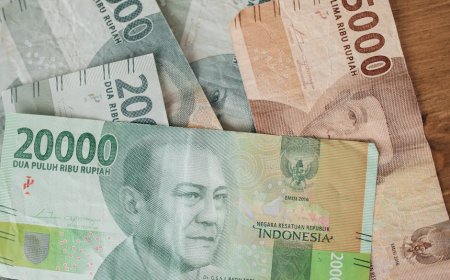
According to the National Strategic Food Price Information Center (PIHPS), garlic prices witnessed a 20% increase in the first quarter of the year, reaching up to IDR 48,000 per kilogram in certain regions. This surge prompted the government to accelerate the import licensing process and expand quotas, aiming to flood the market and dampen speculative pricing pressures.

Government Strategies and Market Mechanisms
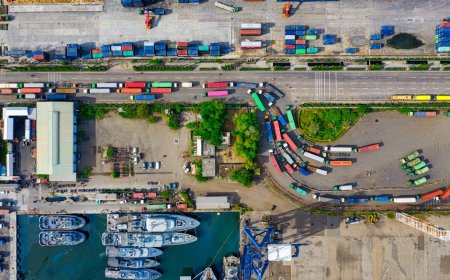
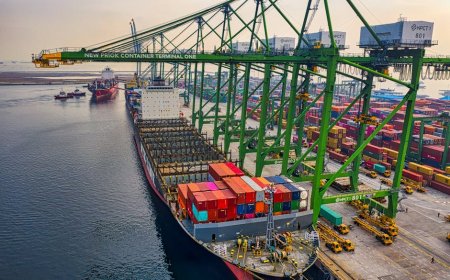
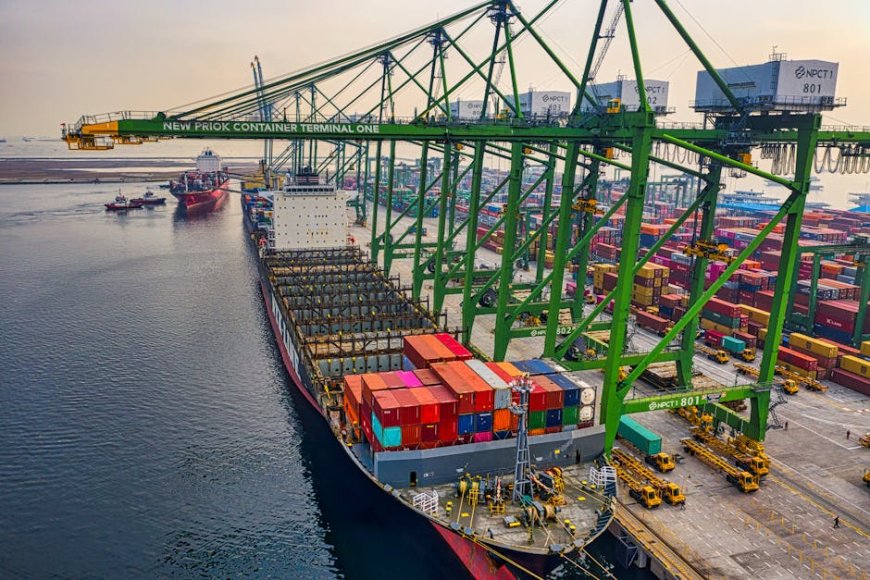
Indonesia’s reliance on garlic imports is well-documented, with nearly 95% of its supply sourced primarily from China.
The Ministry of Trade, in collaboration with the Ministry of Agriculture, has issued new import recommendations, granting additional import quotas to licensed importers. The government’s swift response is designed to ensure that supply remains abundant, thereby cooling prices ahead of peak festive season demand.
Trade Minister Zulkifli Hasan emphasized the importance of maintaining food price stability to curb inflationary risks and protect consumer purchasing power.
“We are committed to ensuring that essential commodities remain affordable and accessible during Ramadan,” he stated in a recent press briefing. The government’s move also involves close monitoring of distribution channels and enforcement against illicit stockpiling, which has been a recurring issue during previous festive periods.
Economic Implications for Investors and Market Analysts
For business professionals and investors, Indonesia’s garlic import policy underscores the broader challenges and opportunities in the country’s agrifood sector.
The dependence on imports creates vulnerability to external shocks, such as global supply chain disruptions or shifts in international garlic prices. In 2023, Indonesia imported over 580,000 tons of garlic, valued at approximately USD 570 million, with the majority arriving from China, followed by India and Thailand.
Market analysts note that while increased imports can stabilize short-term prices, they may also impact local garlic farmers, who face competition from cheaper imported produce.
This dynamic has prompted calls for investment in domestic cultivation, technological upgrades, and improved logistics infrastructure to enhance self-sufficiency and reduce future import dependency.
Key Trends Shaping Indonesia’s Food Supply Chain
- Supply Chain Resilience: Indonesia’s rapid policy adjustments highlight the need for robust supply chain management, especially for critical food commodities.
- Import Licensing and Quotas: The government’s expedited import approvals reflect a flexible regulatory approach, balancing market needs with domestic interests.
- Inflation Control: Food inflation remains a top concern for policymakers, especially with volatile global commodity prices and currency fluctuations.
- Opportunities for Agritech: The ongoing challenges present growth opportunities for agritech startups focused on improving crop yields, storage, and distribution efficiency.
Outlook for the Indonesian Market
The government’s proactive import strategy ahead of Ramadan is expected to stabilize garlic prices in the near term, ensuring food affordability for millions of Indonesians.
However, the episode also spotlights the strategic importance of developing local agricultural capacity. For investors, the situation offers both short-term trading opportunities in food commodities and long-term prospects in agricultural modernization, logistics, and value-added food processing.
As Indonesia continues to balance food security with economic growth, its approach to managing staple commodity prices will remain a critical area for business analysis.
The garlic import surge amid Ramadan preparations is a telling example of the complex interplay between government policy, market forces, and investment opportunities in Southeast Asia’s largest economy.

What's Your Reaction?
 Like
0
Like
0
 Dislike
0
Dislike
0
 Love
0
Love
0
 Funny
0
Funny
0
 Angry
0
Angry
0
 Sad
0
Sad
0
 Wow
0
Wow
0