






















Indonesia Adjusts Biodiesel Policy and Increases Palm Oil Export Levy

Indonesia Adjusts Biodiesel Policy and Increases Palm Oil Export Levy
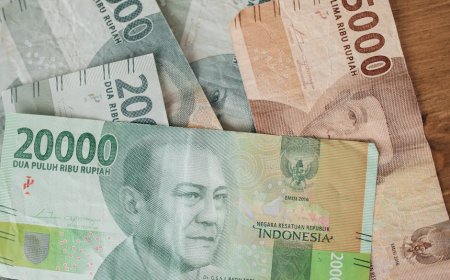
VOXBLICK.COM - Indonesia, the world’s largest palm oil producer, has made significant adjustments to its biodiesel and palm oil policies in 2024. The government has officially canceled the launch of the B50 biodiesel mandate for this yeara move that was highly anticipated by investors and manufacturers. In tandem, Indonesia will increase its palm oil export levy, a decision poised to reshape the economics of one of its most critical export sectors. These policy shifts carry profound implications for the Indonesian market, affecting investment strategies, manufacturing operations, and the broader economic outlook.
The B50 policy, which would have required diesel fuel to contain 50% palm-based biodiesel, was expected to boost domestic palm oil consumption and support the nation’s ambitious renewable energy targets.
However, concerns about feedstock supply, production costs, and market readiness have led policymakers to postpone the rollout. At the same time, the revised export levy aims to balance domestic needs with global market dynamics, ensuring stable revenue streams while managing local prices and supplies.

Market Reactions and Investor Impacts
The immediate market response to Indonesia’s biodiesel and export levy policy changes has been mixed. For investors, the postponement of the B50 mandate introduces fresh uncertainty into the renewable energy and agribusiness sectors.
Many had anticipated increased demand for palm oil-based biodiesel, which would have stimulated upstream investment in plantations and downstream processing facilities. The delay now places pressure on companies to reassess their capital expenditure plans and operating models in the short to medium term.
On the other hand, the increase in the palm oil export levy is expected to generate higher state revenues, which could be redirected into agricultural subsidies, infrastructure, and social programs.
However, this move may also impact the competitiveness of Indonesian palm oil in global markets, especially as rival producers in Malaysia and Thailand vie for greater market share. Exporters will need to navigate changing cost structures and maintain efficiency to remain profitable amid shifting regulatory landscapes.
Impacts on Manufacturers and Supply Chains
For manufacturers in the biodiesel and edible oil industries, Indonesia’s revised policies create both challenges and opportunities.
The halted B50 rollout means that existing demand forecasts must be updated, potentially leading to adjustments in procurement strategies, inventory management, and production scheduling. Companies heavily invested in the biodiesel supply chain may see slower growth in domestic demand, at least until a revised mandate is announced or market conditions improve.
Conversely, the higher export levy may incentivize more palm oil to be processed domestically, supporting the development of local value-added industries such as food processing and oleochemicals.
This could create new business opportunities for Indonesian manufacturers, even as global buyers seek to diversify their sourcing in response to rising costs. According to the Indonesian Palm Oil Association (GAPKI), palm oil exports reached over 30 million tonnes in 2023, with China, India, and the European Union as key markets. Policy adjustments will inevitably influence these trade flows in the coming years.
Economic and Sustainability Considerations
From a broader economic perspective, Indonesia’s policy recalibration reflects the government’s efforts to strike a balance between domestic stability, international competitiveness, and sustainability goals.
The palm oil sector remains a cornerstone of the Indonesian economy, contributing roughly 3.5% to national GDP and employing millions across the archipelago. However, the industry is also under scrutiny from global stakeholders concerned about environmental impacts, deforestation, and compliance with sustainability standards.
By adjusting the export levy and postponing the B50 mandate, Indonesia is signaling a pragmatic approach to resource management and energy transition.
Policymakers are likely prioritizing food and energy security, price stability, and the gradual scaling of green initiatives to ensure long-term economic resilience. These moves may also encourage greater investment in research, innovation, and certification programs to enhance the sector’s sustainability credentials.
Outlook for the Indonesian Business Landscape
Looking ahead, Indonesia’s evolving biodiesel and palm oil policies will be closely watched by global investors, agribusiness leaders, and policymakers.
The country’s ability to adapt its regulatory framework will be crucial for maintaining its leadership in the palm oil market while advancing broader economic and environmental objectives. For business stakeholders, agility and strategic foresight will be essential to navigating these changes and capitalizing on new opportunities in Indonesia’s dynamic market.

What's Your Reaction?
 Like
0
Like
0
 Dislike
0
Dislike
0
 Love
0
Love
0
 Funny
0
Funny
0
 Angry
0
Angry
0
 Sad
0
Sad
0
 Wow
0
Wow
0