























Indonesia Boosts Local Currency Use to Strengthen Economy
Indonesia Boosts Local Currency Use to Strengthen Economy
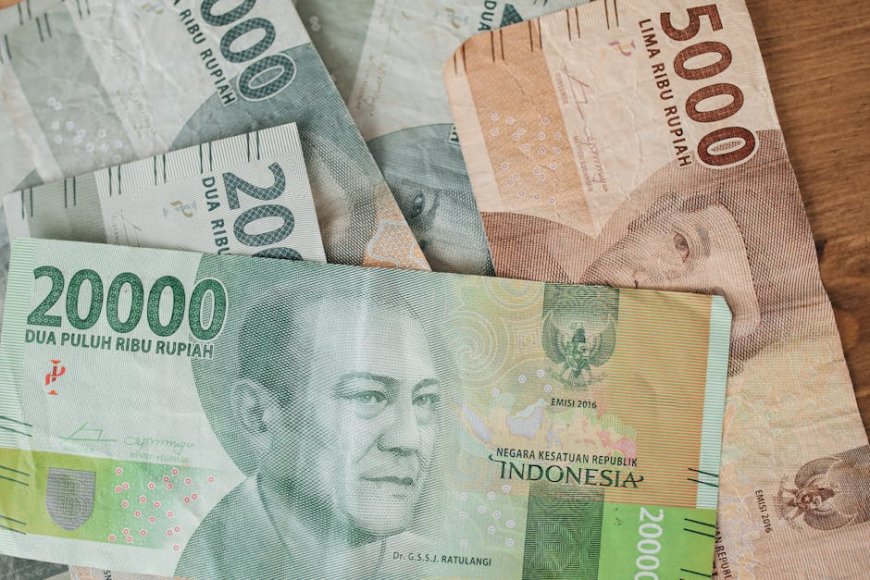
VOXBLICK.COM - Indonesia, Southeast Asia’s largest economy, is intensifying its efforts to encourage the use of the rupiah in domestic and international transactions. This strategic move, led by Bank Indonesia and supported by the government, aims to enhance economic stability, reduce the reliance on foreign currencies, and foster a more attractive investment climate. As the global economic landscape faces heightened volatility, Indonesia’s commitment to strengthening its local currency use is poised to have significant implications for investors and the broader business environment.
The initiative, commonly referred to as Local Currency Settlement (LCS), is designed to facilitate cross-border payments and trade using the rupiah and partner countries’ currencies, instead of defaulting to the US dollar.
Bank Indonesia has already established LCS frameworks with key trade partners, including Malaysia, Thailand, Japan, and China. By reducing exposure to exchange rate fluctuations and lowering transaction costs, the policy is expected to support businesses, especially startups, exporters, and manufacturers, operating in the Indonesian market.

Economic Stability and Investment Climate
One of the primary objectives of promoting local currency use is to fortify Indonesia’s macroeconomic stability.
By minimizing dependence on the US dollar, the country can better shield itself from external shocks, such as currency volatility and capital outflows. In 2023, Indonesia’s foreign exchange reserves stood at around USD 137 billion, providing a robust buffer, but policy makers are keen to further insulate the economy from global headwinds.
For foreign investors, a more stable rupiah regime reduces uncertainties related to currency risks, making long-term investment decisions more predictable.
The local currency settlement framework also streamlines cross-border transactions, enhancing liquidity and reducing operational costs for multinational companies and institutional investors. As a result, Indonesia continues to position itself as a preferred destination for foreign direct investment (FDI) in the ASEAN region, attracting capital into its manufacturing, infrastructure, and digital sectors.
Impact on Startups, Manufacturing, and Regional Trade
The push for greater rupiah usage is particularly beneficial for Indonesia’s burgeoning startup ecosystem and vibrant manufacturing sector.
Startups, many of which are engaged in cross-border e-commerce and fintech, benefit from lower remittance fees and reduced currency conversion risks. In 2023, Indonesia attracted over USD 3 billion in venture capital investment, with a significant portion channeled into digital payment platforms and fintech startups that rely on efficient currency settlement systems.
Manufacturers, who form the backbone of Indonesia’s export economy, also stand to gain. By using the rupiah for trade settlements, exporters can manage their working capital more effectively and mitigate the impact of exchange rate fluctuations.
This is particularly important as Indonesia seeks to diversify its manufacturing base and move up the global value chain in electronics, automotive, and textiles.
Enhancing the Business Environment
Indonesia’s policy direction aligns with broader trends in regional economic integration. The Association of Southeast Asian Nations (ASEAN) has prioritized local currency usage to promote intra-regional trade and investment.
Indonesia’s leadership in this area reinforces its role as an economic powerhouse in Southeast Asia and supports its ambitions to become a high-income country by 2045.
To further encourage local currency use, Bank Indonesia has implemented incentives for banks and businesses, including easier access to hedging instruments and streamlined regulatory processes.
These measures are complemented by digital infrastructure improvements, such as the adoption of QR code payment systems and e-wallet platforms, which facilitate local currency transactions for both consumers and enterprises.
Looking Ahead: Challenges and Opportunities
While the benefits of increased local currency use are clear, challenges remain. The depth and liquidity of the rupiah market, particularly for large-scale international transactions, must continue to improve.
Ongoing education and outreach to businesses are necessary to encourage wider adoption of LCS frameworks. Nevertheless, Indonesia’s proactive stance signals a commitment to economic resilience and competitiveness in a rapidly evolving global environment.
As Indonesia continues to boost local currency usage, investors and businesses should monitor these developments closely.
Enhanced economic stability, improved risk management, and a more conducive investment climate are likely to solidify Indonesia’s position as a regional leader and an attractive market for global capital in the years ahead.

What's Your Reaction?
 Like
0
Like
0
 Dislike
0
Dislike
0
 Love
0
Love
0
 Funny
0
Funny
0
 Angry
0
Angry
0
 Sad
0
Sad
0
 Wow
0
Wow
0