














Indonesia’s Biodiversity Wonders and Conservation Efforts Unveiled
VOXBLICK.COM - Indonesia stands as one of the world’s most extraordinary natural laboratories, boasting a staggering variety of ecosystems, species, and ancient wonders. With over 17,000 islands straddling the equator, this Southeast Asian archipelago is globally celebrated for its breathtaking biodiversity, innovative conservation initiatives, and pivotal role in renewable energy adoption. From towering rainforests to teeming coral reefs, Indonesia’s living tapestry continues to inspire awe and scientific exploration worldwide.
Home to more than 17% of the planet’s wildlife species, Indonesia’s biodiversity is legendary.
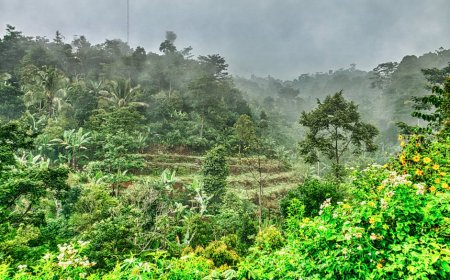
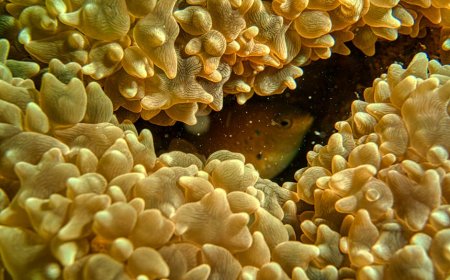
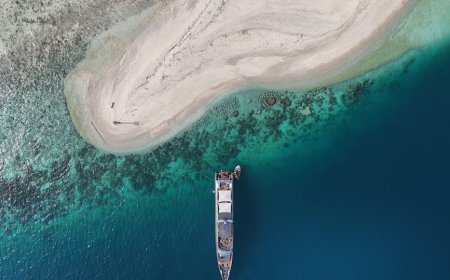
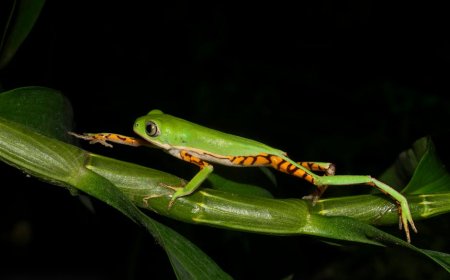
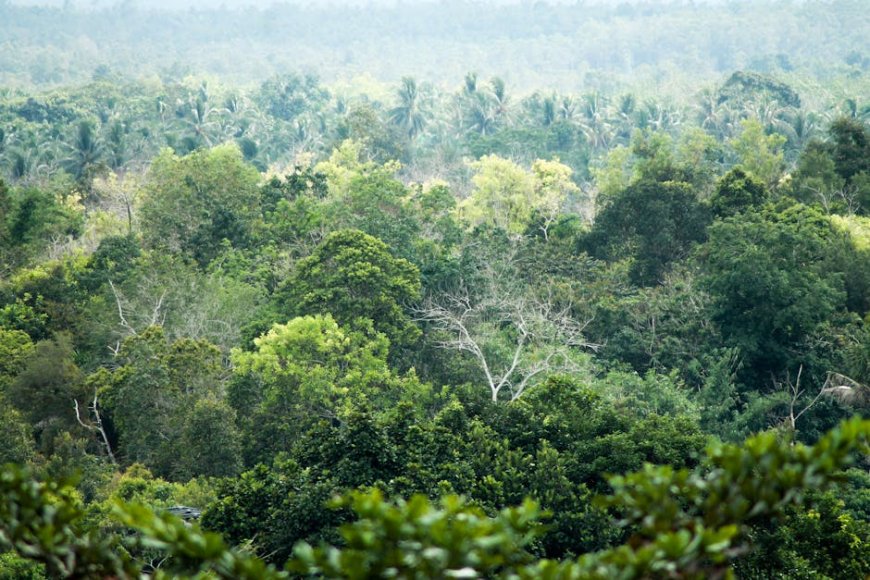
The islands shelter rare and iconic creatures such as the Sumatran tiger, orangutan, Komodo dragon, and countless endemic birds, reptiles, and amphibians. The country’s rainforestssome of the oldest on Earthprovide refuge to a dizzying array of plant life, with over 30,000 documented species, including the world’s largest flower, the Rafflesia arnoldii. Equally mesmerizing are Indonesia’s marine environments, which form part of the Coral Triangle, the global epicenter of marine biodiversity, harboring more than 3,000 species of fish and 600 species of coral.
Guardians of Nature: Conservation Efforts in Action
Despite its natural riches, Indonesia faces pressing challenges from deforestation, illegal wildlife trade, and habitat degradation. In response, the nation has emerged as a critical battleground for conservation science.
Government agencies, non-profit organizations, and indigenous communities are collaborating on ambitious initiatives to safeguard these irreplaceable ecosystems.
- Protected Areas: Indonesia has established more than 570 terrestrial and marine protected areas, including world-renowned sites like Gunung Leuser National Park and Komodo National Park. These sanctuaries protect essential habitats for threatened species while promoting eco-tourism and sustainable livelihoods.
- Species Recovery: Focused breeding and reintroduction programs for critically endangered speciessuch as the Javan rhinoceros and Bali starlingare yielding promising results.
- Community-Based Conservation: Local communities across Indonesia are at the forefront of forest stewardship and sustainable resource management. Indigenous knowledge, coupled with modern science, is proving vital in restoring mangroves, peatlands, and rainforests.
Indonesia’s approach to conservation increasingly integrates cutting-edge technology.
Drones, satellite imagery, and AI-powered monitoring systems are now deployed to detect illegal logging, track animal populations, and map critical habitats in real time. These innovations are transforming conservation from reactive to proactive, offering renewed hope for endangered species and habitats.
Renewable Energy: Harnessing Nature for a Sustainable Future
As one of the world’s major emerging economies, Indonesia is also making significant strides in the adoption of renewable energy.
With its abundant geothermal resources, vast rivers, and equatorial sunlight, the nation is investing in clean power to meet growing energy demands while mitigating climate change impacts.
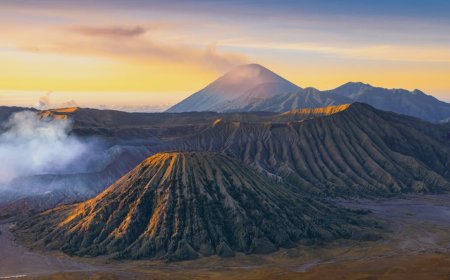
- Geothermal Power: Indonesia ranks second globally in geothermal potential, and its volcanic landscapes are being harnessed for sustainable electricity generation.
- Solar and Hydropower: Large-scale solar farms and new hydropower projects are expanding access to electricity in remote areas, reducing reliance on fossil fuels.
- Bioenergy and Wind: Innovative bioenergy solutions and wind power projects are being piloted, leveraging Indonesia’s agricultural and coastal strengths.
Government targets aim for 23% of the national energy mix to come from renewables by 2025, underscoring Indonesia’s commitment to a greener, more sustainable future.
Ancient Echoes: Archaeological Marvels and Scientific Discovery
Beyond its living treasures, Indonesia is a treasure trove for archaeologists. The island of Flores yielded the remarkable “Hobbit” fossils (Homo floresiensis), rewriting human evolutionary history.
On Sulawesi, the discovery of 44,000-year-old cave paintingssome of the world’s oldestreveals sophisticated cognitive and artistic abilities among Indonesia’s ancient inhabitants.
These archaeological wonders, combined with the nation’s living biodiversity and forward-thinking conservation efforts, position Indonesia as a beacon of scientific discovery.
Each revelationwhether a new species, a prehistoric artifact, or a breakthrough in renewable technologyreminds the world of the interconnectedness of nature, culture, and progress.
As Indonesia continues to unveil its biodiversity wonders and champion conservation, it not only protects its own heritage but also inspires a global movement toward understanding, preserving, and celebrating our planet’s natural and cultural riches.

What's Your Reaction?
 Like
0
Like
0
 Dislike
0
Dislike
0
 Love
0
Love
0
 Funny
0
Funny
0
 Angry
0
Angry
0
 Sad
0
Sad
0
 Wow
0
Wow
0