














Indonesia’s Natural Wonders and Science: Biodiversity and Conservation Efforts
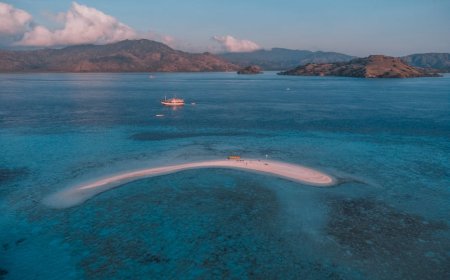
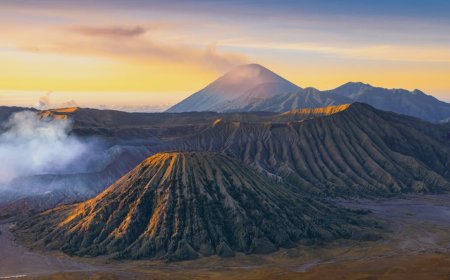
VOXBLICK.COM - Indonesia, the world’s largest archipelago, is a tapestry of stunning landscapes, vibrant cultures, and astonishing biodiversity. Spanning over 17,000 islands, Indonesia occupies the heart of the Coral Triangle and sits atop the volcanic “Ring of Fire.” These unique geographic features have endowed the nation with a wealth of flora and fauna, many of which are found nowhere else on Earth. Alongside its natural wonders, Indonesia is a living laboratory for scientific discovery, renewable energy innovation, and groundbreaking archaeological finds.
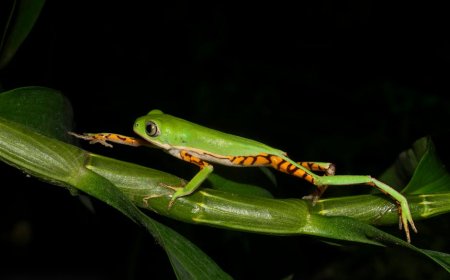
Few places on the planet can rival Indonesia’s biological richness. The archipelago harbors more than 17% of the world’s bird species, the third-highest number of mammal species globally, and a dazzling array of marine life.
Its rainforests, peatlands, and coral reefs serve as critical habitats, supporting everything from the majestic Sumatran tiger and enigmatic orangutan to rare orchids and towering dipterocarp trees. This biodiversity isn’t just a source of national prideit’s a cornerstone of global ecological health.

Biodiversity Hotspots: From Rainforests to Coral Reefs
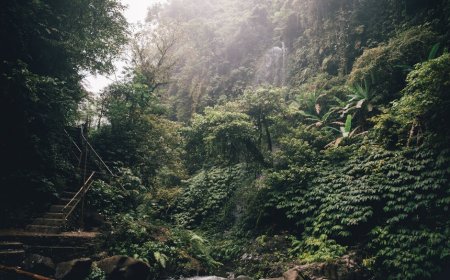
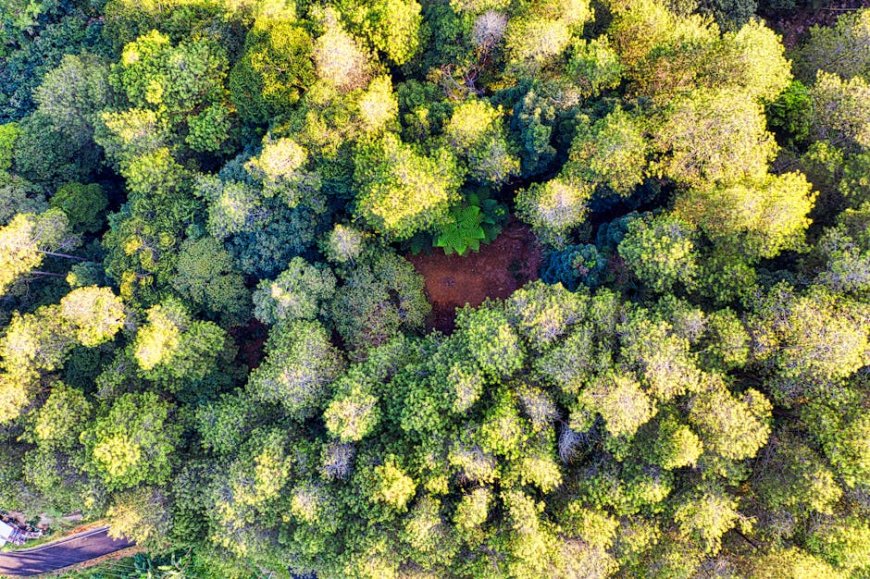
Indonesia’s tropical rainforests, particularly on the islands of Sumatra, Borneo (Kalimantan), and Papua, are among the most biologically diverse ecosystems on Earth. These forests are home to endemic species such as:
- Sumatran orangutans and Bornean orangutans
- Javan rhinoceros – one of the world’s rarest large mammals
- Komodo dragons – the planet’s largest living lizard, found only in eastern Indonesia
- Over 600 bird species, including the spectacular Birds of Paradise in Papua
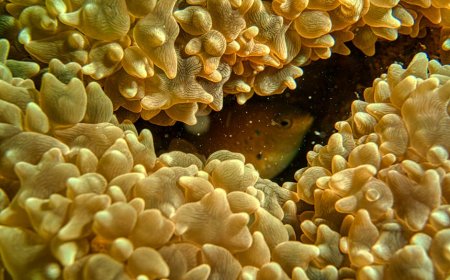
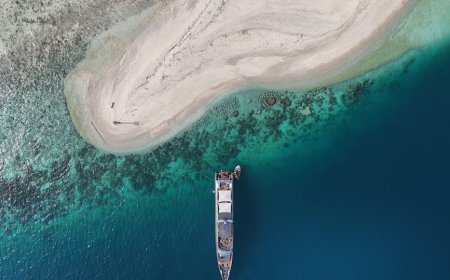
Beneath the waves, Indonesia’s coral reefs are a kaleidoscope of life.
The country’s waters contain over 3,000 species of fish and more than 600 species of coral, making them critical to marine biodiversity and the livelihoods of millions of Indonesians.
Conservation Efforts: Balancing Growth and Preservation
Despite its natural riches, Indonesia faces significant conservation challenges. Deforestation, illegal wildlife trade, and habitat destruction pose threats to many species. However, the nation is also a leader in innovative conservation strategies.
Key initiatives include:
- Establishing national parks like Gunung Leuser, Ujung Kulon, and Lorentz to protect critical habitats.
- Community-based conservation, engaging local people in forest management and ecotourism.
- Marine protected areas, such as the Raja Ampat Marine Park, to safeguard coral reefs.
- Collaborative international research, including the Sumatran Rhino Sanctuary and orangutan rehabilitation centers.
Government, NGOs, and indigenous groups are working together to balance economic development with ecological stewardship, ensuring Indonesia’s natural wonders endure for future generations.
Renewable Energy: Harnessing Nature’s Power
Indonesia’s volcanic landscape is a treasure trove of geothermal energy. As the world’s third-largest producer of geothermal power, Indonesia is investing in clean, sustainable energy solutions.
Solar and wind projects are also expanding, aiming to reduce dependence on fossil fuels while providing electricity to remote communities. These renewable energy innovations not only mitigate climate change but also protect the environment by reducing habitat loss linked to mining and deforestation.
Archaeological Discoveries: Unlocking Ancient Mysteries
Beneath Indonesia’s lush forests and limestone caves lie extraordinary archaeological treasures.
The discovery of Homo floresiensis (“the Hobbit”) on Flores Island in 2003 shook the scientific world, revealing a previously unknown hominin species that lived until about 50,000 years ago. Ancient cave art in Sulawesi, dating back over 45,000 years, represents some of the oldest figurative paintings on Earth. These finds underscore Indonesia’s significance in the story of human evolution and migration.
Science and Nature: Shaping an Awe-Inspiring Future
Indonesia stands at the crossroads of natural wonder and scientific progress. Its enduring biodiversity, conservation leadership, and commitment to renewable energy offer hope in a changing world.
As researchers, conservationists, and local communities join forces, Indonesia’s living treasures continue to inspire aweand remind us of our shared responsibility to protect the natural world.

What's Your Reaction?
 Like
0
Like
0
 Dislike
0
Dislike
0
 Love
0
Love
0
 Funny
0
Funny
0
 Angry
0
Angry
0
 Sad
0
Sad
0
 Wow
0
Wow
0