















Indonesia Champions Blue Carbon for Derawan’s Ocean Conservation
Indonesia Champions Blue Carbon for Derawan’s Ocean Conservation
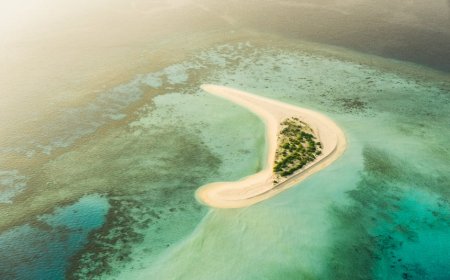
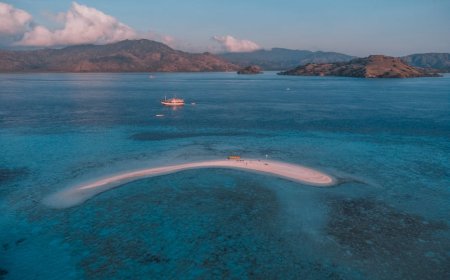
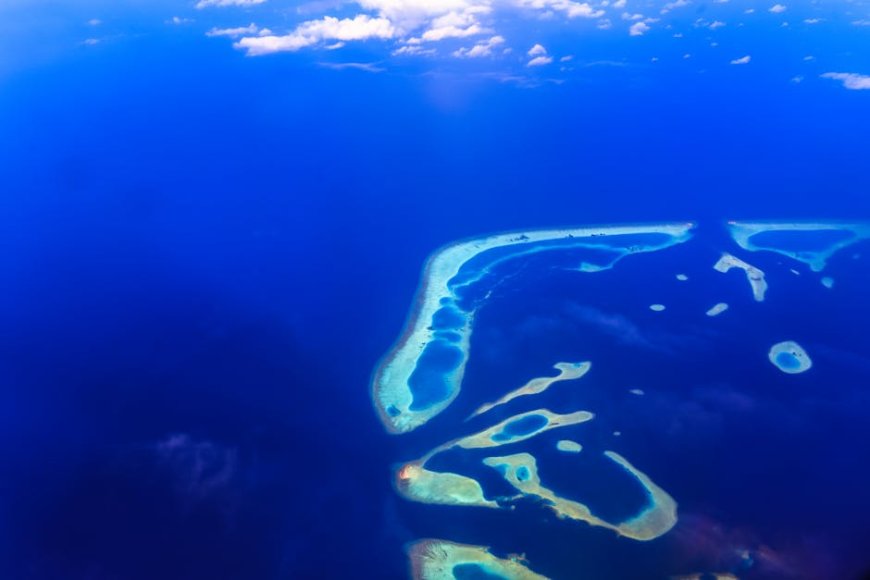
VOXBLICK.COM - Indonesia, the world’s largest archipelagic nation, is at the forefront of marine conservation and climate action. Nowhere is this more evident than in the turquoise waters of Derawan, a remote island paradise in East Kalimantan. As climate change accelerates and ocean ecosystems face mounting pressures, Indonesia is pioneering blue carbon zoning in the Derawan Archipelagoan innovative approach that leverages the ocean’s natural ability to sequester carbon while protecting its extraordinary marine biodiversity.
Blue carbon refers to the carbon captured by coastal and marine ecosystems, primarily mangroves, seagrasses, and tidal marshes.
These habitats act as powerful carbon sinks, drawing carbon dioxide from the atmosphere and locking it away in sediment for centuries. Indonesia’s coastal ecosystems store more blue carbon than almost any other nation on Earth, making them both a global biodiversity hotspot and a critical ally in the fight against climate change.

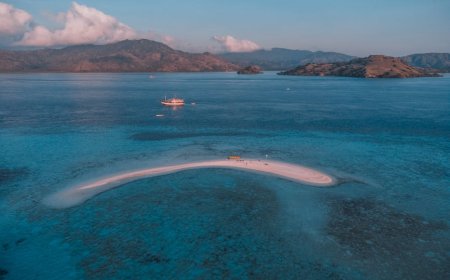
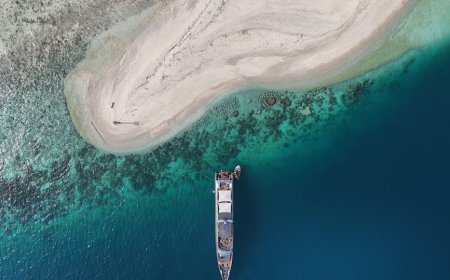
Derawan’s crystal-clear waters are home to over 870 species of fish, thriving coral reefs, and endangered creatures such as green turtles and dugongs.
Yet, these rich ecosystems are threatened by unsustainable fishing, plastic pollution, and rising sea temperatures. Recognizing these risks, Indonesian authorities, scientists, and local communities have joined forces to designate blue carbon zones in the Derawan seascape. These zones prioritize the protection and restoration of mangroves, seagrass meadows, and coral reef habitats.
Safeguarding Biodiversity and Climate through Blue Carbon Zoning
Blue carbon zoning is not merely about locking away carbon it is a holistic strategy that interlinks biodiversity conservation, climate mitigation, and sustainable livelihoods.
By mapping and protecting high-carbon coastal habitats, Indonesia ensures these ecosystems continue to deliver vital services:
- Carbon Sequestration: Mangroves and seagrasses can absorb up to 10 times more carbon than terrestrial forests per hectare.
- Habitat Protection: Blue carbon areas serve as nurseries for fish and marine megafauna, supporting local fisheries and food security.
- Coastal Resilience: Healthy mangroves and seagrasses buffer shorelines against storms, erosion, and rising seas.
- Biodiversity Hotspots: Coral reefs and seagrass beds in Derawan sustain myriad species, many of which are rare or endemic.
These integrated conservation efforts help Indonesia uphold its international commitments under the Paris Agreement, while also empowering Indigenous and local communities that depend on healthy oceans for their livelihoods.
Innovation Meets Tradition: Sustainable Energy and Community Engagement
Indonesia’s approach to Derawan’s ocean conservation extends beyond ecological zoning.
The government and NGOs are investing in sustainable energy solutionssuch as solar-powered desalination and off-grid microgridsto reduce pressure on fragile ecosystems and cut greenhouse gas emissions. By promoting renewable energy and eco-tourism, they are transforming Derawan into a model for sustainable island development.
Community involvement is key. Local fishers, women’s groups, and youth are trained in mangrove restoration, seagrass monitoring, and sustainable tourism practices.
These initiatives not only increase environmental stewardship but also create alternative livelihoods, reducing reliance on extractive activities like destructive fishing or coral mining.
Science-Driven Conservation Inspires Global Action
Derawan’s blue carbon initiative is rooted in rigorous science. Researchers from Indonesian and international institutions use satellite mapping, ecological surveys, and underwater drones to monitor habitat health and carbon stocks.
Findings from Derawan are informing national policy and serving as a blueprint for blue carbon strategies across Southeast Asia and beyond.
Indonesia’s pioneering work in blue carbon conservation is a beacon of hope for the world’s oceans.
By aligning biodiversity protection, climate action, and sustainable development, the Derawan Archipelago demonstrates how science, innovation, and community can come together to secure a thriving future for people and planet alike.

What's Your Reaction?
 Like
0
Like
0
 Dislike
0
Dislike
0
 Love
0
Love
0
 Funny
0
Funny
0
 Angry
0
Angry
0
 Sad
0
Sad
0
 Wow
0
Wow
0