
















Unraveling the Love Story of Panji Asmarabangun and Sekartaji
The Legendary Romance of Panji Asmarabangun and Sekartaji
VOXBLICK.COM - Indonesia’s cultural tapestry is woven with countless legends and folktales, but few resonate as profoundly as the love story of Panji Asmarabangun and Sekartaji. Rooted in Javanese tradition, this epic narrative has transcended centuries, serving not only as an enchanting tale but also as a vessel for cultural identity. From shadow puppet theaters to sacred ceremonies, the saga of Panji and Sekartaji continues to inspire, offering deep insight into Indonesian values, rituals, and artistic expressions.
The Panji tales, or Cerita Panji, originated in the 12th century during the Kediri Kingdom era in East Java.
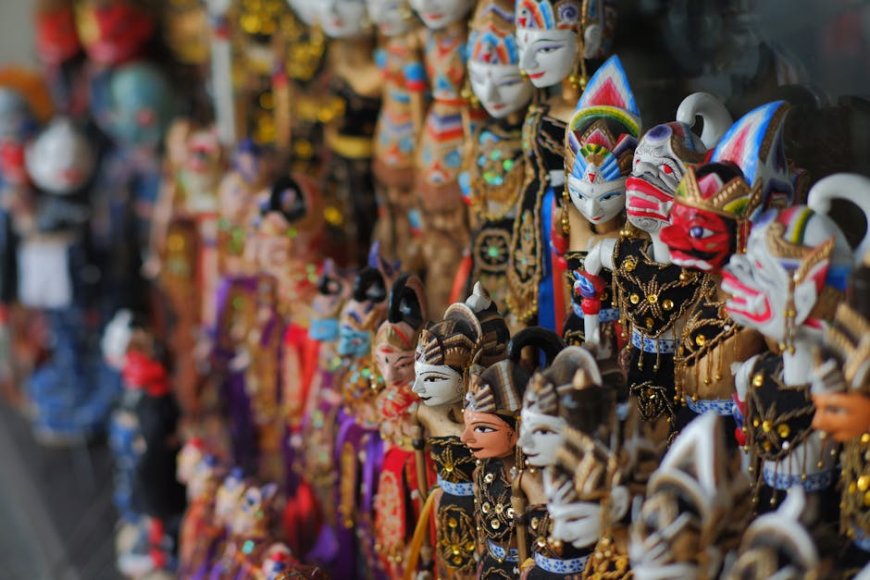
With Panji Asmarabangun, a noble prince, and Sekartaji, a beautiful princess, as its central figures, the story has been retold in countless formsoral stories, wayang (shadow puppetry), dance dramas, paintings, and even batik motifs. This enduring romance is more than a love story it is a narrative of separation, perseverance, and reunion, reflecting the deeper philosophies of Javanese life.
At its heart, the Panji and Sekartaji legend follows the two lovers as they are separated by misunderstandings and political intrigue. Both embark on a journey filled with disguise, adventure, and self-discovery.
Their paths are fraught with challenges, embodying the Javanese concept of lakua spiritual quest through hardship. Through their perseverance, the story teaches the importance of inner strength, loyalty, and destiny, values that remain central in Indonesian culture.
Symbolism and Cultural Expressions
The Panji narrative is more than a romantic legend it is a cultural cornerstone expressed through various art forms and rituals.
One of the most significant adaptations is the wayang gedoga traditional Javanese shadow puppet performance. In these performances, the characters of Panji and Sekartaji symbolize the eternal search for harmony and unity, echoing the Javanese philosophy of manunggaling kawula lan gusti (the unity of human and divine).
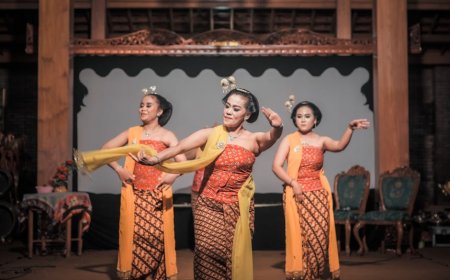
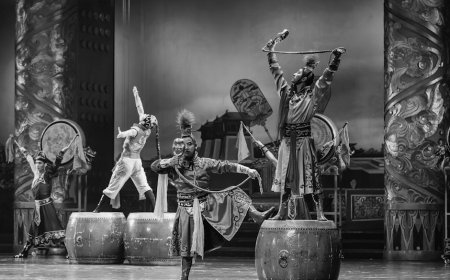
Traditional dances such as Bedhaya and Gambyong often draw inspiration from the Panji stories, with intricate movements that convey longing, hope, and resilience.
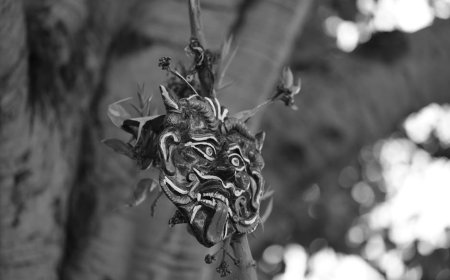
The costumes and masks used in Panji-themed performances are not merely decorative but serve as visual metaphors for the characters’ inner journeys and transformations.
Deeper Meanings Behind Rituals and Ceremonies
The story of Panji and Sekartaji also finds its place within Javanese rituals and ceremonies.
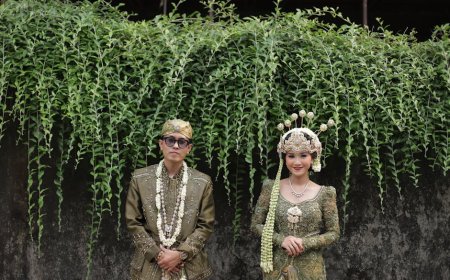
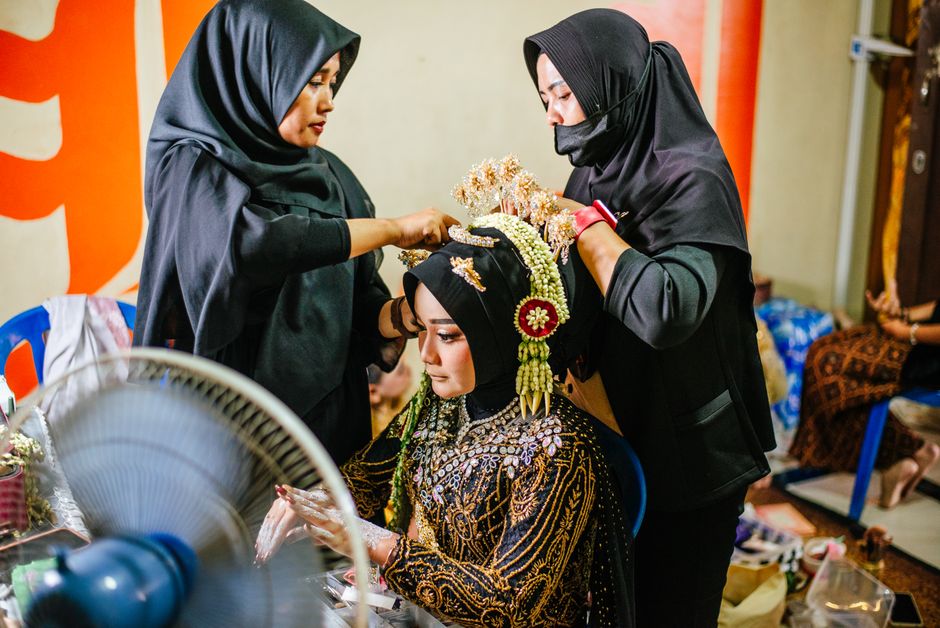
For instance, in midodarenia traditional Javanese wedding eve ritualthe bride is likened to Sekartaji, embodying beauty, patience, and virtue. The groom, often compared to Panji, is expected to demonstrate courage and wisdom. This ritual is not just symbolic it is a living tradition that imparts the values of patience, faithfulness, and perseverance to the next generation.
Moreover, Panji stories are often incorporated into selamatan (communal feasts) and village festivals, particularly in East Java and Bali.
These communal events use the legend as a moral compass, promoting harmony and reinforcing social bonds. In some regions, children are told Panji stories as bedtime tales, subtly instilling the virtues of resilience and the belief in the eventual triumph of love and truth.
Preserving Heritage Through the Ages
The universality of Panji and Sekartaji’s love has ensured the tale’s survival across generations.
Recognized by UNESCO as part of the world’s Intangible Cultural Heritage, Panji stories are a testament to Indonesia’s rich oral and artistic traditions. Contemporary artists, playwrights, and filmmakers continue to reinterpret the legend, ensuring its relevance in modern society.
For foreigners seeking to understand Indonesia’s soul, the story of Panji Asmarabangun and Sekartaji is a gateway. It captures the essence of Javanese philosophya worldview that values harmony, perseverance, and the transformative power of love.
By appreciating the depth and symbolism of this timeless romance, one gains a deeper respect for the rituals, arts, and enduring spirit of the Indonesian people.

What's Your Reaction?
 Like
0
Like
0
 Dislike
0
Dislike
0
 Love
0
Love
0
 Funny
0
Funny
0
 Angry
0
Angry
0
 Sad
0
Sad
0
 Wow
0
Wow
0