
















Exploring Indonesia’s Family Travel Traditions and Culture in 2026
VOXBLICK.COM - Indonesia, the archipelago of over 17,000 islands, has long enchanted travelers with its breathtaking scenery and vibrant communities. As the world looks ahead to 2026, Indonesia’s family travel traditions and its deep-rooted cultural practices are taking center stage, offering international visitors a rare window into the heart of Southeast Asian heritage. In this article, we explore how Indonesia’s rituals, arts, and culinary heritage are shaping family journeys, and how these experiences reveal the soul of the nation.
At the core of Indonesia’s travel culture is the concept of gotong royongthe spirit of communal cooperation and togetherness. Family travel in Indonesia is never just about sightseeing it is about participation, learning, and connection.
Whether visiting the lush rice terraces of Bali or the mystical temples of Java, families are welcomed to join in local festivities and daily life, forging bonds that stretch beyond borders.

The Meaning Behind Indonesian Rituals
Indonesian rituals are much more than ceremonialthey are living expressions of gratitude, respect, and hope.
Take, for example, the Ngaben cremation ceremonies of Bali, where families come together to honor ancestors in a blend of art, music, and spirituality. For many international families, witnessing or participating in such rituals offers a profound lesson in remembrance and the cycles of life.
Similarly, the Rambu Solo funeral festivals of the Toraja people in Sulawesi are gaining recognition as transformative travel experiences.
These multi-day events are not somber but celebratory, teaching families the importance of community, ancestry, and letting go. Children and adults alike return home with a deeper understanding of life’s interconnectednessa key theme in Indonesian culture.
Culinary Heritage: More Than Just Food
Indonesian cuisine is a tapestry woven from centuries of trade, migration, and local innovation.
In 2026, culinary tourism is set to thrive as families explore the stories behind iconic dishes such as Rendang, Satay, and Gudeg. Cooking classes, market tours, and communal meals are becoming highlights of family trips, inviting visitors to savor both the flavor and the meaning behind each bite.
- Rendang (West Sumatra): More than a spicy beef stew, Rendang is a symbol of patience and togetherness, traditionally prepared for festive gatherings and family milestones.
- Satay (Java): Skewered and grilled over open flames, Satay brings families to the table, reflecting the importance of sharing and celebration in Indonesian daily life.
- Gudeg (Yogyakarta): This sweet jackfruit stew is rooted in royal Javanese history, showing how food can tell the story of a region’s identity and evolution.
Arts and Storytelling Across Generations
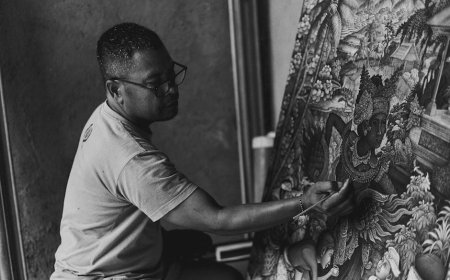
Indonesia’s artsshadow puppetry (Wayang Kulit), batik textiles, and gamelan musicare not just performances but methods of passing down wisdom.
In 2026, families can immerse themselves in workshops led by local artisans, learning ancient batik-making techniques or attending Wayang shows that dramatize age-old legends. These experiences make history tangible, fostering appreciation for Indonesia’s diverse heritage among both young and old.
Family Travel Trends: Cultural Immersion and Responsible Tourism
As sustainability and authenticity become priorities, Indonesia’s family travel traditions are evolving.
More families are choosing eco-villages in Bali, staying with Dayak longhouses in Borneo, or trekking with local guides in Flores. These journeys emphasize respect for nature, preservation of customs, and meaningful exchange between hosts and guests.
What sets Indonesia apart is its openness to share, teach, and welcome visitors as part of the family. In 2026, family travelers will find that every ritual, meal, and story is an invitation to belong.
By engaging with Indonesia’s rich traditions and culture, families don’t just explore a destinationthey become part of its living legacy.

What's Your Reaction?
 Like
0
Like
0
 Dislike
0
Dislike
0
 Love
0
Love
0
 Funny
0
Funny
0
 Angry
0
Angry
0
 Sad
0
Sad
0
 Wow
0
Wow
0