




How Indonesian Art Collectives Are Shaping Global Culture
The Rise of Indonesian Art Collectives on the Global Stage
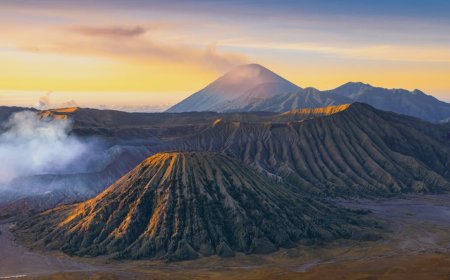
VOXBLICK.COM - Indonesia, an archipelago of over 17,000 islands, is a nation of profound diversitylinguistically, ethnically, and culturally. This mosaic of identities shapes its creative spirit, driving a vibrant contemporary art scene that has begun to command attention worldwide. In recent years, Indonesian art collectives such as ruangrupa, Serrum, and Jatiwangi art Factory have transcended geographical boundaries, challenging traditional art hierarchies and offering new perspectives on collaboration, community, and creativity.
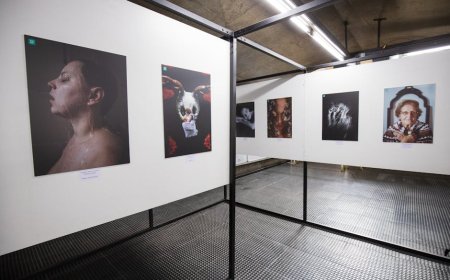
The most notable milestone in this journey came in 2022, when ruangrupa, a Jakarta-based collective, was selected to curate Documenta 15one of the world’s most prestigious contemporary art exhibitions, held every five years in
Kassel, Germany. This appointment marked a historic first: never before had a collective from the Global South been entrusted with the direction of Documenta, an event often considered the Olympics of the art world. Their selection signaled a shift in the art world’s center of gravity, inviting an urgent reexamination of how art is made, shared, and valued.

The Meaning of "Gotong Royong": Indonesian Ideals in Contemporary Art
To understand the unique impact of Indonesian art collectives, one must appreciate the cultural philosophy that underpins much of their work: gotong royong.
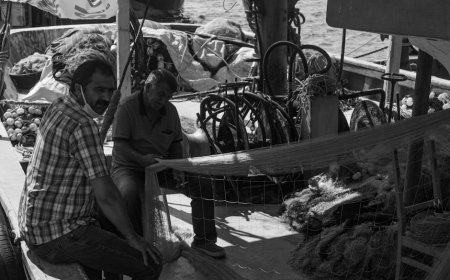
Translated loosely as "mutual cooperation," gotong royong is more than a social customit is a value system that prioritizes collaboration, reciprocity, and communal well-being over individual achievement. This ethos is deeply rooted in Indonesian society and is evident in everything from rice planting ceremonies to neighborhood celebrations.
Indonesian art collectives have reimagined gotong royong for the contemporary art world. Rather than focusing on individual artists or singular masterpieces, they embrace horizontal structures, shared authorship, and community engagement.
For ruangrupa, art is not just an object to be displayed but a process of building relationships, fostering dialogue, and addressing social issues. Their projects often blend visual arts with music, performance, education, and activism, blurring the boundaries between genres and disciplines.
ruangrupa and Documenta: Redefining Art’s Global Narrative
Ruangrupa’s curation of Documenta 15 was a watershed moment, not only for Indonesian art but for global contemporary culture.
Their approach, dubbed “Lumbung” (Indonesian for communal rice barn), was inspired by the traditional practice of sharing resources among farmers. For Documenta, this meant inviting collectives from around the world to participate, encouraging them to pool resources, ideas, and networks in a spirit of sustainable collaboration.
The result was an exhibition unlike any before: a living ecosystem of workshops, performances, discussions, and communal meals. It reflected the Indonesian belief that art is a tool for social transformation and collective healing.
Through their leadership, ruangrupa challenged the conventional, market-driven model of art production, highlighting the value of process, participation, and care.
The Ripple Effect: Indonesian Collectives Inspiring the World
The success of ruangrupa and other Indonesian collectives has had a ripple effect far beyond Southeast Asia.
Their practices have inspired artists and institutions worldwide to rethink the role of the artist, the meaning of community, and the potential of art as a catalyst for change. Key lessons from the Indonesian art collective model include:
- Centering Community: Art as a means to strengthen social bonds and address local issues.
- Shared Authorship: Valuing collective creation over individual genius.
- Sustainable Practice: Emphasizing ecology, resource-sharing, and long-term relationships.
- Cross-Disciplinary Approaches: Blurring lines between art, education, activism, and everyday life.
These ideas resonate in a world facing complex social, political, and environmental challenges. Indonesian art collectives show that creativity can be a powerful force for solidarity, resilience, and hope.
By blending tradition with experimentation, and local wisdom with global dialogue, they are not only shaping the future of contemporary artthey are helping to redefine the very meaning of culture in a connected world.
What's Your Reaction?
 Like
0
Like
0
 Dislike
0
Dislike
0
 Love
0
Love
0
 Funny
0
Funny
0
 Angry
0
Angry
0
 Sad
0
Sad
0
 Wow
0
Wow
0